- Over 9,000 verified signatures on a Change.org petition demand a temporary U.S. ban on short selling to stop alleged naked shorting.
- Retail investors cite millions lost, 40+ companies probing abusive naked short selling, and push for investigation and reforms.
- Supporters cite South Korea’s precedent; social media and high‑profile tags may pressure the Trump administration and SEC.
As the U.S. stock market continues to be a hotbed of debate, a growing movement among retail investors is gaining traction.
On Monday, November 24, 2025, retail investors shared that over 9,000 verified signatures have been collected on a Change.org petition titled “Implement a Temporary Ban on Short Selling in the United States Stock Market.”
The petition, which features a striking image of the American flag overlaid with a downward-trending stock chart, is calling for immediate action from regulators and a potential intervention by President Donald Trump to address concerns over naked short selling.
The FrankNez Media Daily Briefing newsletter provides all the news you need to start your day. Sign up here.
The petition, launched two years ago, highlights the frustration of retail investors who claim they are losing millions due to what they describe as “exploitative practices” in the market.
Details of the Petition
According to the petition text, “Investors are losing millions of dollars due to naked short selling, and companies are being pushed towards bankruptcy and forced to delist from exchanges due to these exploitative practices.”
It further notes that over 40 publicly listed companies in 2023 alone have investigated their stocks for abusive naked short selling, uncovering share imbalances.
Naked short selling, a practice where stocks are sold short without first borrowing them, has long been a contentious issue.
The petition demands a temporary halt to all short selling until a thorough investigation can be conducted and measures are put in place to curb this activity.
This call to action comes on the heels of similar moves in other countries, with South Korea recently extending its short-selling ban until March 31, 2025, to implement a new system to detect illegal naked shorting.
X Market News reported the development with a post on X sharing the milestone.
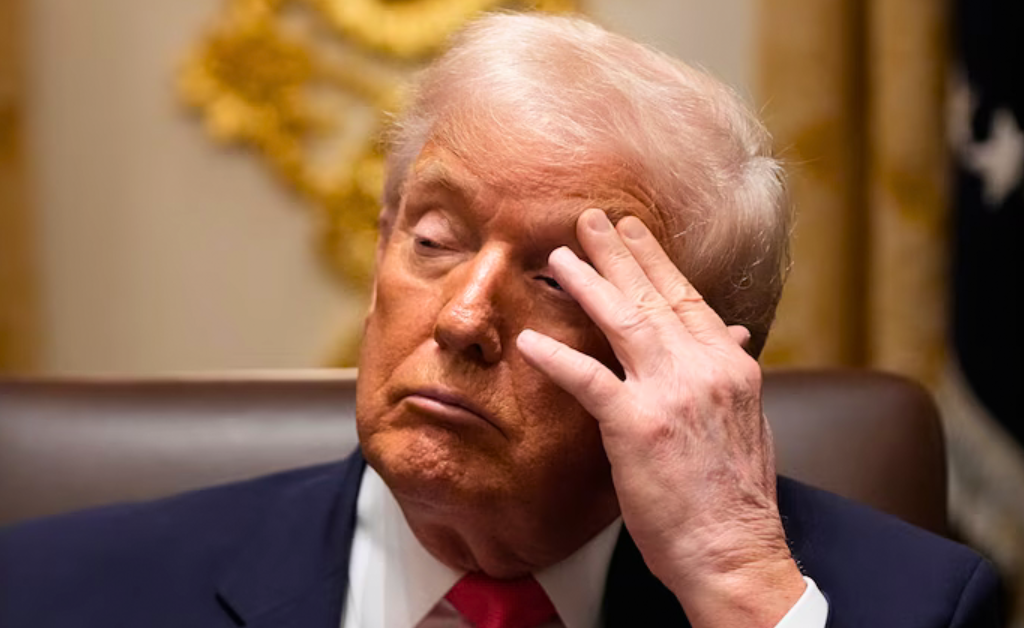
The post included an image of the petition and a photo of President Trump, signaling a direct appeal to the administration.
In a follow-up, the account tagged several high-profile figures, including @realDonaldTrump, @pulte, @DevinNunes, and @elonmusk, noting, “South Korea has done it, so can the United States.”
Investor Sentiment Heats Up
The comment section on the original X post reveals a mix of enthusiasm, skepticism, and calls for stronger measures.
Several investors have shared that they have signed the petition, fueling the rising signatures on Change.org.
Not all reactions were positive, however. Some investors questioned the scale of the movement.
@TipLuangham added a touch of sarcasm with, “A whole NINE THOUSAND you say??.”
Others pointed out the broader context, noting, “Wow! 9 thousand out of the hundreds of millions of actual investors that use the US Markets!”
Despite the varied opinions, there’s a clear undercurrent of frustration with current market practices, with some users calling for a “Permanent ban.”
Historical Context and Global Precedents
This isn’t the first time short-selling bans have been considered.
The U.S. Securities and Exchange Commission (SEC) imposed temporary restrictions on short selling during the 2008 financial crisis, particularly after the collapse of Lehman Brothers, and later banned “abusive” naked short selling.
However, the practice has persisted, fueling ongoing debates about its impact on market stability.
The New York Fed’s research from that period suggested that such bans did little to stop stock price declines but increased liquidity costs, a point that continues to resonate in today’s discussions.
South Korea’s recent actions provide a modern benchmark.
The country’s financial regulators have strengthened penalties and introduced detection systems for naked short selling, a move that has been closely watched by U.S. investors.
The petition draws on this example, urging the U.S. to follow suit with a temporary ban to investigate and reform the market.
What’s Next?
With 9,108 verified signatures as of this writing, the petition is gaining momentum.
The involvement of high-profile figures on X could amplify its reach, but the question remains: will it prompt action from the Trump administration or the SEC?
Retail investors are clearly vocal, but the broader market—comprising hundreds of millions of participants—may require a larger groundswell to shift policy.
For now, the conversation is alive on social media.
As the debate unfolds, all eyes are on Washington to see if this grassroots effort will lead to tangible change.
The petition remains open for signatures here.
Whether this movement grows or fades, it’s a clear signal that retail investors are ready to fight for their place in the market.
Also Read: Short Sellers Are Now Throwing One Another Under the Bus
Google is changing how it surfaces content. Prioritize our high-quality news and industry-leading coverage in search results by setting FrankNez Media as a preferred source.