

- Republican-backed Exclusive Citizenship Act would force dual nationals to renounce foreign citizenship within a year or be deemed to have lost U.S. citizenship.
- The bill could directly impact Melania and Barron Trump, but faces strong constitutional challenges under the 14th Amendment and likely lawsuits.
In the swirl of post-election policy battles heating up in Washington, a fresh Republican-backed bill is stirring debate over one of America’s most cherished ideals: what it truly means to be a citizen.
Titled the Exclusive Citizenship Act of 2025, the proposal—introduced by Ohio Senator Bernie Moreno—seeks to slam the door on dual nationality, forcing Americans with foreign ties to pick a side.
It’s the kind of sweeping change that could ripple through families, businesses, and even the corridors of power in the White House.
The FrankNez Media Daily Briefing newsletter provides all the news you need to start your day. Sign up here.
And here’s the twist that’s got everyone talking: it might hit closer to home for the Trumps than anyone expected.
How The Exclusive Citizenship Act of 2025 Will Affect Americans
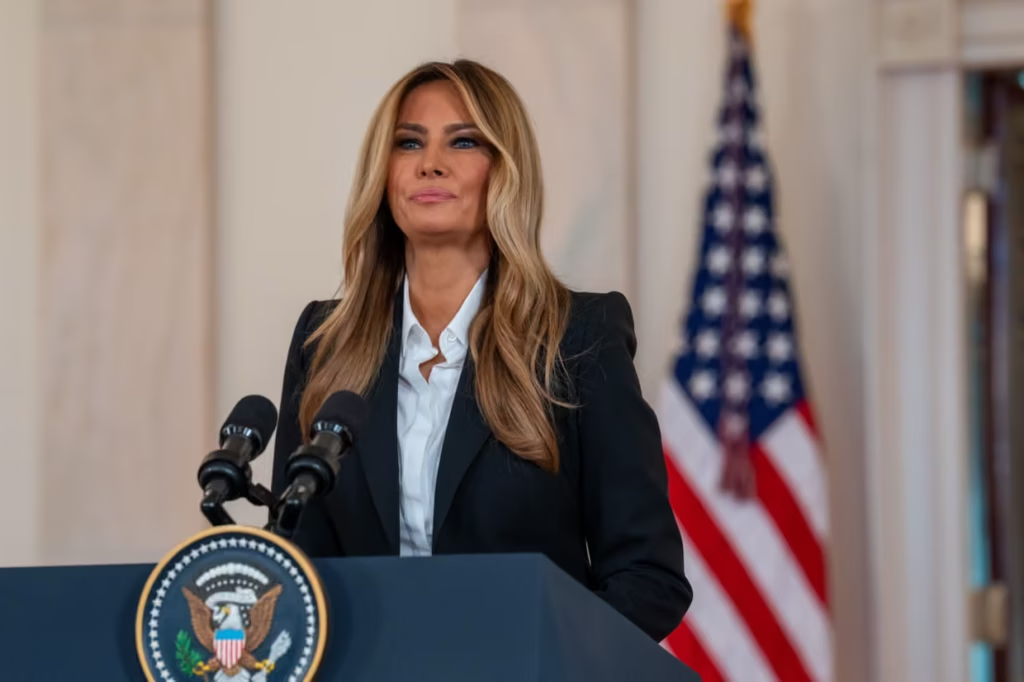
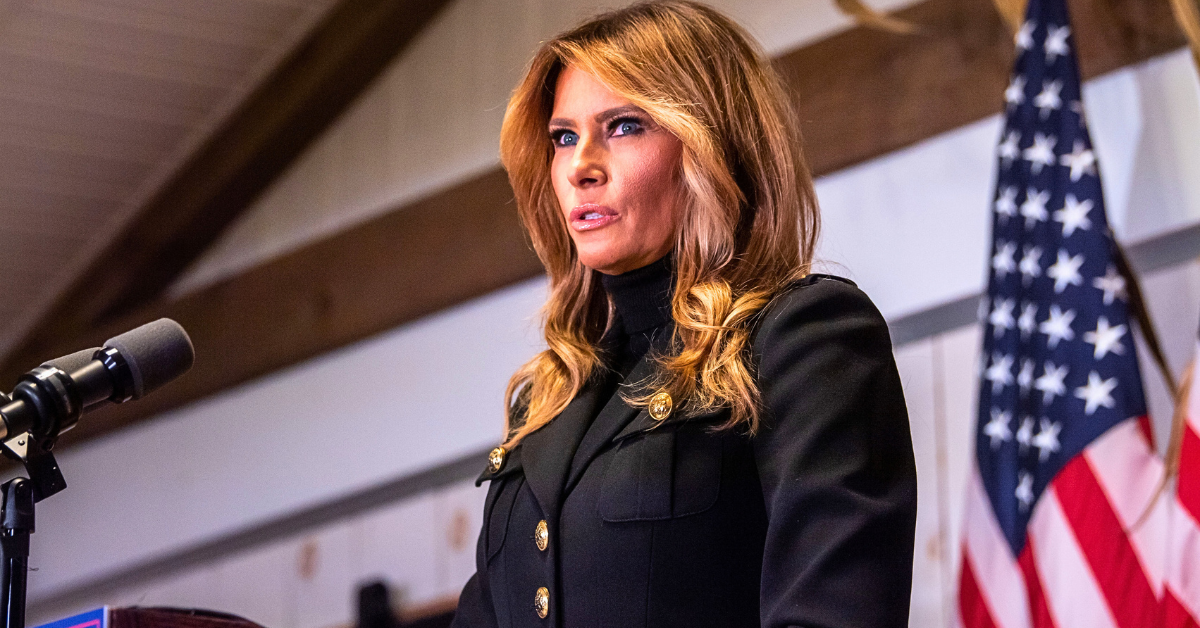
Picture this: Melania Trump, the elegant Slovenian-born former model who captivated the nation as first lady, and her son Barron, now a young man navigating his own path.
Both hold U.S. citizenship alongside Slovenian passports—a detail that’s been public knowledge for years, thanks to biographies and interviews.
If Moreno’s bill becomes law, they could face a stark choice: renounce their European roots or risk losing their American status.
It’s not just a hypothetical; it’s a direct challenge to the personal stories woven into the fabric of the incoming administration.
Let’s break down the bill itself, because understanding its guts is key to grasping why it’s exploding onto the scene right now.
At its core, the legislation declares that “citizens of the United States shall owe sole and exclusive allegiance to the United States.”
No more splitting loyalties. Dual nationals would get just one year after enactment to ditch their foreign citizenship—or their U.S. one.
Fail to comply, and you’re “deemed to have voluntarily relinquished United States citizenship.”
It’s a blunt instrument, aimed at what Moreno calls the “all or nothing” commitment to America.
Moreno, who knows the immigrant journey firsthand after arriving from Colombia and naturalizing at 18, didn’t mince words in his statement announcing the bill.
“Being an American citizen is an honor and a privilege—and if you want to be an American, it’s all or nothing,” he said.
He went further: “It was an honor to pledge an Oath of Allegiance to the United States of America and ONLY to the United States of America. It’s time to end dual citizenship for good.”
For Moreno, this isn’t abstract policy—it’s personal conviction, born from his own path to citizenship.
Will Melania Give Up Here Slovenian Citizenship?

But why now? The timing feels electric, landing as it does amid President-elect Donald Trump’s aggressive immigration agenda.
We’re talking mass deportations, refugee caps, and whispers of tweaking birthright citizenship.
Moreno’s measure slots right into that mix, but with a laser focus on allegiance.
Estimates on who it might touch vary wildly—from hundreds of thousands to millions of dual citizens scattered across the country.
Think military families stationed overseas, whose kids snag foreign passports at birth, or tech execs with roots in India or China.
Even some of America’s founding fathers, Moreno’s critics point out, juggled dual ties with Britain back in the day.
Diving deeper into the Trump angle reveals a story that’s equal parts irony and intrigue.
Melania Knauss—as she was known before marrying Donald—arrived in the U.S. in 1996 on a visitor visa, later securing an H-1B work visa for her modeling gigs.
She tied the knot with Trump in 2005 and became a naturalized citizen the next year, making history as the only first lady to achieve that status.
Her immigration saga hasn’t been without scrutiny; questions about her visa timelines popped up during the 2016 campaign.
But through it all, she’s kept her Slovenian citizenship, a nod to her Novo Mesto upbringing.
That choice extended to Barron, born in New York in 2006 and thus a birthright citizen.
According to Mary Jordan’s 2020 biography The Art of Her Deal, both mother and son “remain a dual citizen of the U.S. and Slovenia.”
Jordan doubled down in a 2024 interview, explaining the practical perks: Barron can “work freely in all of Europe much more easily” thanks to his Slovenian passport.
Melania, ever the strategic parent, made sure he picked up the language too—”he holds a Slovenian passport and speaks Slovenian,” Jordan noted.
It’s a deliberate bridge to her homeland, offering “more options” in a globalized world.
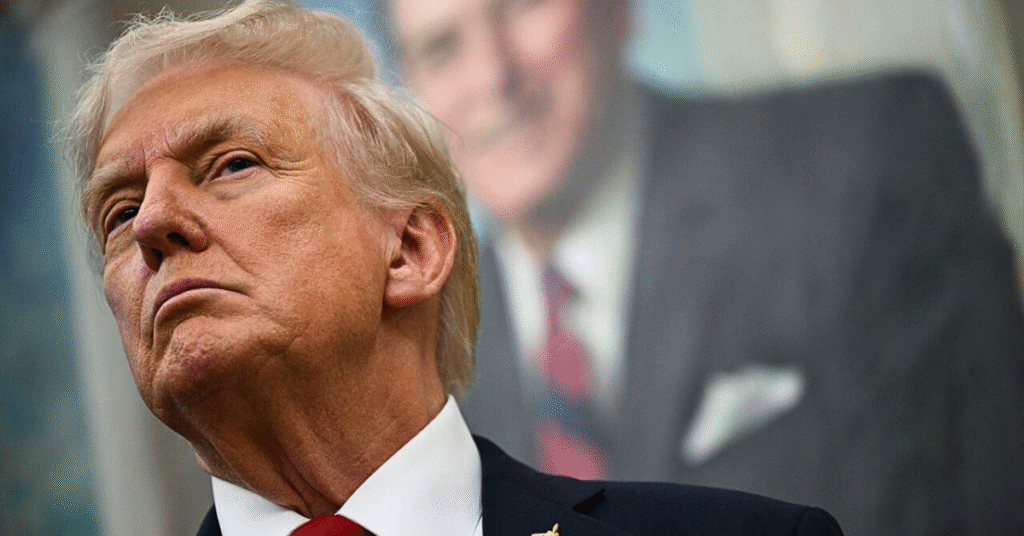
14th Amendment Guards Against Involuntary Loss of Citizenship
For a family that’s all about leverage and legacy, this dual status feels like a quiet power move.
Of course, no big immigration shake-up comes without pushback, and this one’s primed for a courtroom brawl.
The Fourteenth Amendment guards against involuntary loss of citizenship, a principle hammered home in landmark cases like Afroyim v. Rusk in 1967, where the Supreme Court ruled you can’t be stripped of your U.S. status just for holding another nationality.
Go back further to Perkins v. Elg in 1939, and dual nationality was already a recognized reality.
Legal eagles Newsweek consulted say any forced renunciation could trigger waves of lawsuits, testing the bill’s constitutionality from day one.
Enter Michael J. Wildes, the immigration heavyweight who guided Melania through her green card and naturalization process.
Now managing partner at Wildes & Weinberg and a mayor in New Jersey, Wildes didn’t hold back in an exclusive Newsweek interview.
“A bill without the force of law is simply a piece of paper,” he quipped, reminding us that the U.S. is one of many nations cool with dual nationality—whether by birth or choice.
He took a historical swing: “Our founding parents and many of our first presidents were dual nationals of both the United States and other countries—including our then‐enemy, Great Britain.”
And on loyalty? “To claim that our military personnel are not loyal simply because they are not U.S. citizens, or that dual nationals cannot devote their full service to this country, is preposterous.”
Wildes zeroed in on the bill’s blind spots, like how it treats naturalized folks differently from birthright dual citizens—many of whom pop into the world overseas to American parents.
“Some of this country’s great traitors were born here, and some of its great patriots have been dual citizens or multinationals,” he said.
“Sen. Moreno’s bill is simply the latest point in a 200‐year conversation about what it means to be an American.”
He tactfully sidestepped the Trumps’ specifics for privacy but championed the broader vibe: “There is great pride in retaining ties to one’s hometown or home country.”
Coming from an immigrant success story like Moreno himself, it’s a reminder that America’s strength often lies in those blended identities.
Melania’s Stance on Immigration Policies
Melania’s own words on immigration add another layer to this family portrait.
In past remarks, she’s voiced support for her husband’s tough stance: “I believe in the policies that my husband put together. Because I believe that we need to be very vigilant who is coming to the country.”
Yet she tempers it with empathy from her journey: “My personal experience of traversing the challenges of the immigration process opened my eyes to the harsh realities people face, including you, who try to become U.S. citizens.”
It’s a balanced take—pro-border security, but with a human touch that echoes her story.
So, where does this all head? Moreno’s bill heads to Senate committees, but its road looks bumpy.
Republican leaders might champion it as red meat for the base, but building the machinery to track millions of dual citizens?
That’s a bureaucratic beast the State Department and DHS would need to wrangle—new regs within 180 days, public notices, federal database tweaks.
Odds are, it’ll spark fierce debate before fizzling or facing the courts.
In a divided capital, this proposal isn’t just about passports; it’s a referendum on belonging in Trump’s America.
Will it force uncomfortable choices in the East Wing?
Unlikely, given the legal fortress around citizenship.
But it sure spotlights the tensions at the heart of a nation built by newcomers. As the new year dawns, keep an eye on this one—it could redefine more than just dual loyalties.
Also Read: A DOJ Whistleblower Now Makes Revelation That Undermines the Judicial System’s Integrity