- Banks are rejecting record-high consumer credit applications—nearly one in four denied—driven by higher interest rates and rising debt-to-income ratios.
- Tighter lending protects bank balance sheets but squeezes stretched households and small businesses, reducing access to capital and raising costs for weaker borrowers.
In a sign that the U.S. economy might be tougher than it looks on the surface, banks turned down a record number of credit applications last month.
Families hoping for a new car loan or a bit of extra cash to cover the holidays are finding themselves out of luck more often than ever, as lenders hunker down against rising costs and uncertainty.
The numbers don’t lie: According to fresh data from the New York Federal Reserve, rejection rates for consumer credit applications climbed to a new peak in October, with nearly one in four requests getting the cold shoulder.
The FrankNez Media Daily Briefing newsletter provides all the news you need to start your day. Sign up here.
– FNM
It’s not just a blip—experts say this reflects a broader pullback as inflation lingers and potential tariffs loom large, making banks jittery about who they lend to.
Picture this: You’re at the dealership, eyeing that SUV you’ve been dreaming about, but when the finance guy runs your numbers, it’s crickets.
That’s the reality for more Americans right now, especially when it comes to auto loans.
Here’s Why This Is a Big Problem
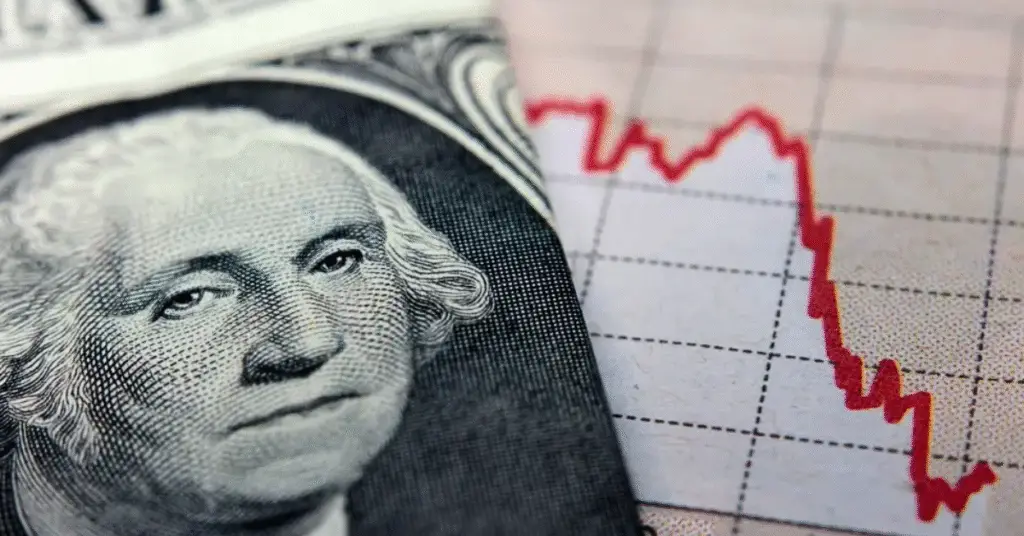
Rejections in that category have spiked alongside issues with subprime debt—loans to folks with shakier credit histories that are starting to go unpaid.
Economist EJ Antoni pointed this out in a recent post on X, tying it to the bigger picture of strained household budgets.
But why the sudden clampdown?
It’s not that borrowers are suddenly a riskier bunch.
Instead, sky-high interest rates have pushed many people’s debt-to-income ratios—the share of their paycheck that goes to repayments—beyond what lenders are comfortable with.
“Higher rates pushed debt-to-income ratios over lender caps.
Not because borrowers got riskier, but because affordability collapsed,” explained Michael Ryan, a finance expert and founder of MichaelRyanMoney.com.
“Add in commercial real estate stress and supervisory pressure, and banks made a choice: protect capital over chase volume.”
Banks have been gradually tightening the screws on lending ever since the wild days of the pandemic eased up.
They’re not eager to repeat the mistakes of overextending credit when things could sour.
Kevin Thompson, CEO of 9i Capital Group and host of the 9innings podcast, put it bluntly: “They are protecting their balance sheets and are unwilling to go out on the credit quality.”
And let’s talk about those tariffs for a second, because they’re not helping.
With the holiday shopping rush about to kick into high gear, a LendingTree study crunched the numbers on what last year’s gift-buying spree would cost if the proposed 2025 tariffs were already in place.
The verdict? An extra $28.6 billion out of consumers’ pockets for the exact same purchases.
That’s money that could have gone toward paying down debt or padding savings—instead, it’s evaporating into higher prices for everything from toys to tech gadgets.

American Households Are Really Starting to Feel the Pinch
This isn’t some distant Wall Street drama; it’s hitting Main Street hard. Small business owners scraping by might find their expansion dreams dashed, and everyday folks could see their plans for home improvements or even debt consolidation evaporate.
Ryan calls it a “credit filter,” not a full freeze: “Strong borrowers sail through. Stretched borrowers hit the net. We’re entering a two-speed cycle where scale wins and margins get squeezed.”
The job market isn’t doing borrowers any favors either. As hiring slows and layoffs tick up, missed payments on everything from credit cards to car loans are on the rise.
Alex Beene, a financial literacy instructor at the University of Tennessee at Martin, sees this as banks playing it safe after learning hard lessons from past booms and busts.
“With the job market growing tighter and missed debt payments growing higher, banks are naturally getting more cautious issuing new loans,” Beene said.
“We’ve seen in past cycles that banks overextending themselves has caused significant problems that accelerate other issues in economic downturns.
The limiting of new loans is a valid precaution of our current financial landscape, one that is seeing more layoffs, more debt, and, sadly, more delinquencies in everything from auto loans to credit card bills.
Unless you have a stellar record and fairly secure paycheck, getting a new loan is going to get harder.”
Thompson echoes that caution, warning of ripple effects down the line.
“Access to capital will become more difficult, but this will allow for more competition for lower credit quality lenders to enter the market and provide loans where the banks will not, albeit at much higher rates,” he noted.
“Americans should expect lower access to capital as lending becomes more strict and much higher rates for those loans.”
What Happens Next?
So, what’s a would-be borrower to do in this environment?
For starters, shore up those finances before you even think about applying.
Pay down existing debt, build up your credit score, and maybe stash some extra cash as a buffer.
If you’re a small business owner on the edge, Ryan advises coming armed with solid collateral and proof of steady cash flow.
“Come with collateral and coverage, or come back later,” he said.
“Underwriting didn’t turn mean; arithmetic did. Higher rates turned yesterday’s ‘okay’ DTI [debt-to-income ratio] into today’s ‘decline.’ Banks aren’t slamming the door.
They’re just raising the bar. In a high-rate world, the bar feels like a ceiling to many though.”
As we head into 2026, keep an eye on those Fed reports and tariff talks—they’ll dictate whether this squeeze eases up or digs in deeper.
For now, it’s a reminder that in uncertain times, the banks’ caution could be your cue to get your own house in order.
After all, a strong financial foundation beats a rejected application any day.
Also Read: A DOJ Whistleblower Now Makes Revelation That Undermines the Judicial System’s Integrity
Contact | About | Home | Newsletter