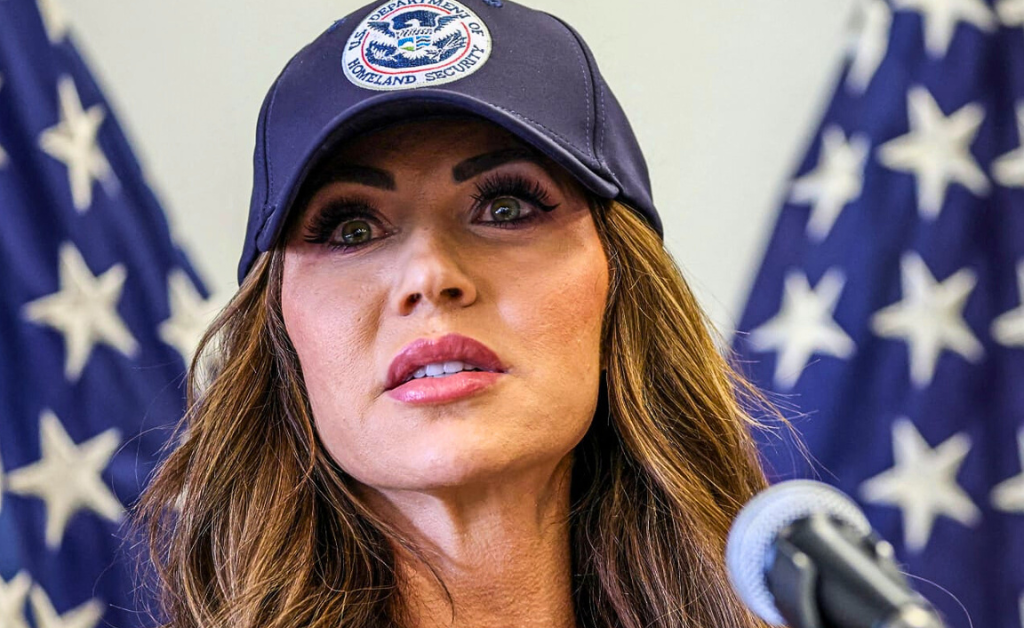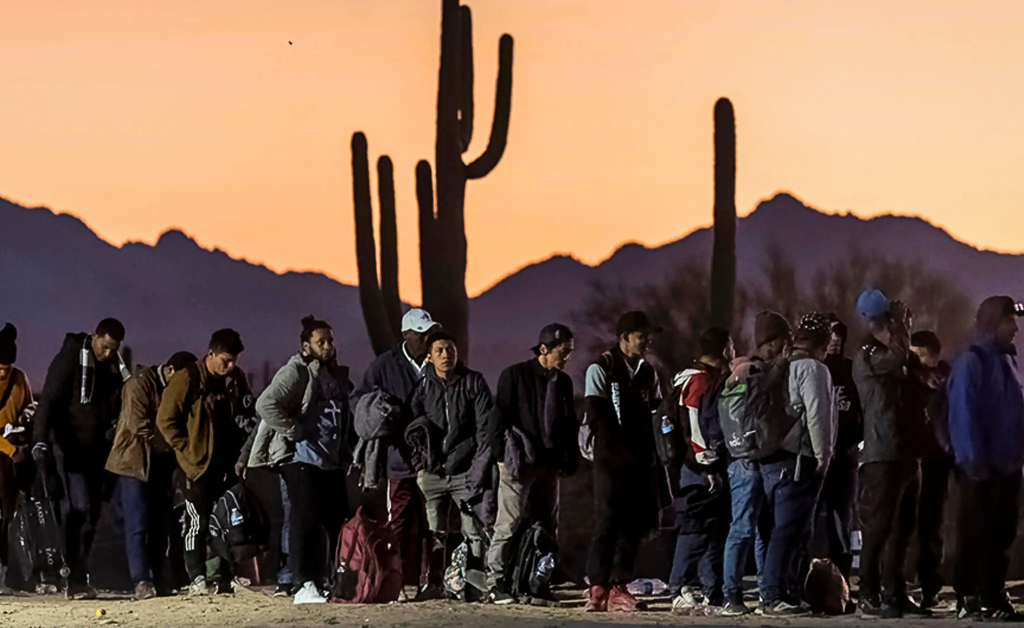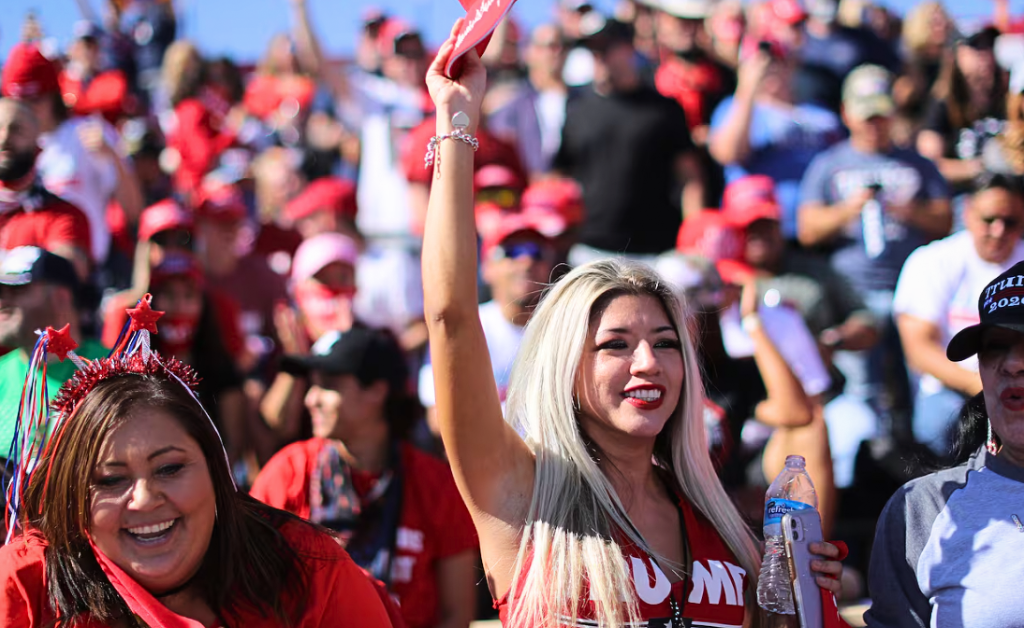



- Ninth Circuit orders all National Guard troops removed from Los Angeles by Monday, upholding a lower court ruling that federal control is unjustified.
- Court blocked immediate return of troop control to California, so federal command remains while troops must leave the city.
- Deployment began after June 2025 immigration-related protests; critics call it presidential overreach and costly to taxpayers.
A federal appeals court has handed the Trump administration a firm deadline: remove the remaining National Guard troops from Los Angeles by Monday.
The ruling, issued on Friday by the U.S. Court of Appeals for the Ninth Circuit, upholds a lower court’s decision that the prolonged federal control of California’s National Guard in the city is no longer justified.
This marks the latest chapter in a months-long legal battle that began when President Donald Trump federalized thousands of California National Guard members in June 2025 to address protests and unrest tied to intensified immigration enforcement operations in Los Angeles.
The FrankNez Media Daily Briefing newsletter provides all the news you need to start your day. Sign up here.
– FNM
Details of the Deployment in California
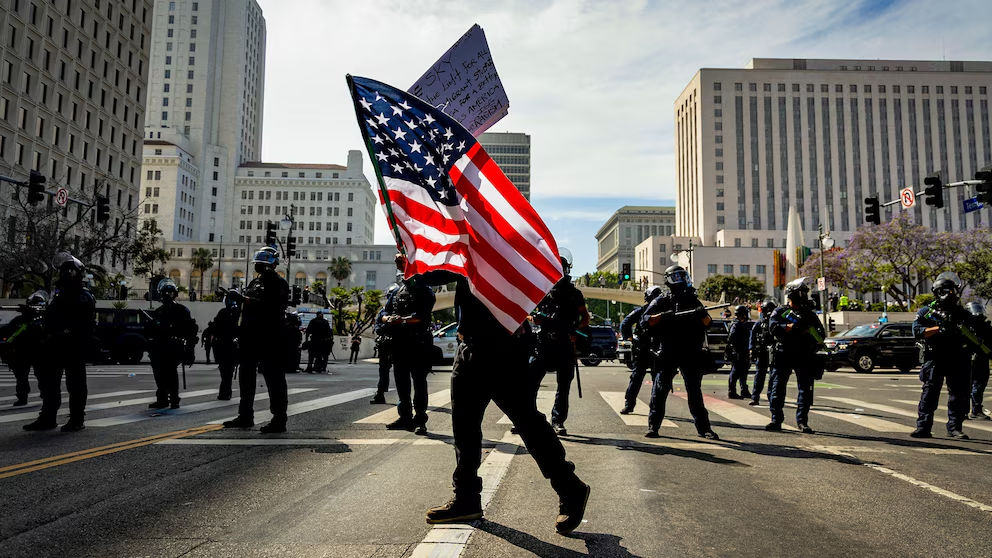
At the peak of the deployment, around 4,000 Guard members were on the ground, protecting federal buildings and personnel during demonstrations that sometimes turned chaotic.
By October, that number had dwindled to about 100 in the Los Angeles area, with roughly 300 still under federal command overall, according to court documents.
The Ninth Circuit’s decision denies most of the administration’s emergency request to pause a preliminary injunction issued earlier in the week by U.S. District Judge Charles Breyer in San Francisco.
Breyer had ruled there was no ongoing emergency warranting the troops’ presence six months after the initial protests.
However, the appeals court did block one part of Breyer’s order: the immediate return of control over the troops to California Governor Gavin Newsom.
That means while the troops must leave Los Angeles, the federal government retains command for now.
Officials Call It a Relief for Californians Affected in Daily Life
California officials hailed the ruling as a significant win.
In a statement, California Attorney General Rob Bonta said: “The Ninth Circuit’s decision means that, come Monday, there will be no National Guard troops deployed in California.
Let me repeat: For the first time in six months, there will be no military deployed on the streets of Los Angeles.”
Breyer, in his sharply worded Wednesday opinion, didn’t hold back on the administration’s arguments.
He wrote: “The founders designed our government to be a system of checks and balances.
Defendants, however, make clear that the only check they want is a blank one.
Six months after they first federalized the California National Guard, defendants still retain control of approximately 300 Guardsmen, despite no evidence that execution of federal law is impeded in any way—let alone significantly.”
He added: “It is profoundly un-American to suggest that people peacefully exercising their fundamental right to protest constitute a risk justifying the federalization of military forces.”
Governor Newsom, who had sued to challenge the deployment from the start, echoed that sentiment in response to Breyer’s initial ruling.
He stated: “Today’s ruling is abundantly clear—the federalization of the National Guard in California is illegal and must end.
The president deployed these brave men and women against their own communities, removing them from essential public safety operations.
We look forward to all National Guard service members being returned to state service.”
What Sparked The Deployments in the First Place?
The deployment stemmed from protests that erupted in early June 2025 over the Trump administration’s ramped-up immigration raids in Southern California.
Demonstrators clashed with federal agents and local police in areas like downtown Los Angeles, Paramount, and Compton.
Some gatherings turned violent, with reports of thrown objects, fires, and freeway blockages, though many remained peaceful.
Trump invoked a rarely used authority under Title 10 of the U.S. Code to federalize the Guard without Newsom’s consent—a move not seen since the 1960s.
The president argued the situation amounted to a “rebellion” or impeded federal law enforcement, justifying the takeover to protect ICE operations and federal property.
Initially, a temporary restraining order by Breyer in June halted the deployment, but the Ninth Circuit stayed it, allowing troops to arrive.
Over the summer, numbers peaked with additional support from active-duty Marines in some cases.
As protests subsided, the administration gradually drew down forces, redeploying some to other cities like Portland and Chicago, where similar legal fights over Guard use played out.
Critics, including Newsom and civil liberties groups, accused Trump of overreach, turning the military into a domestic policing tool in Democratic strongholds.
Supporters said it was necessary to restore order and back federal immigration efforts.
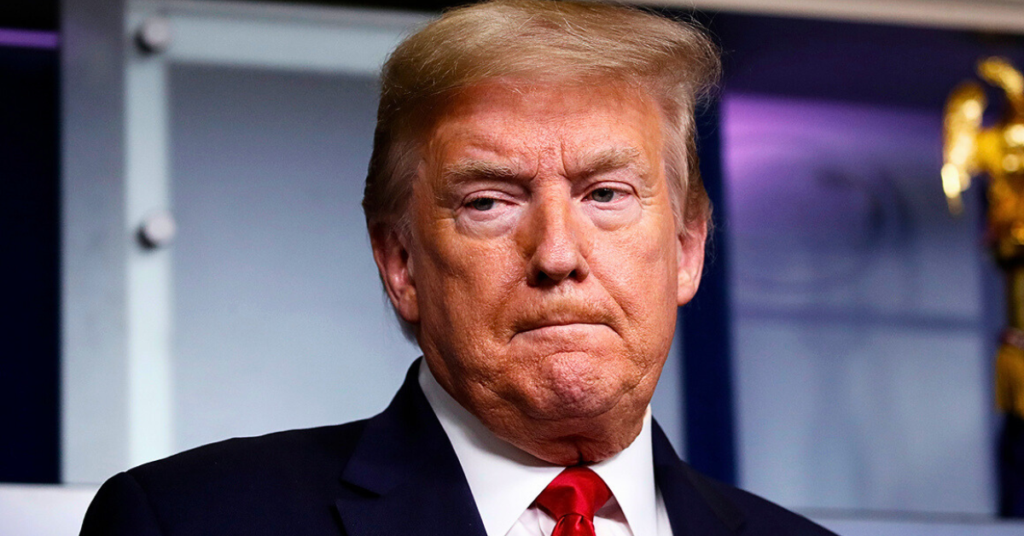
Which States Were Affected by National Troops?
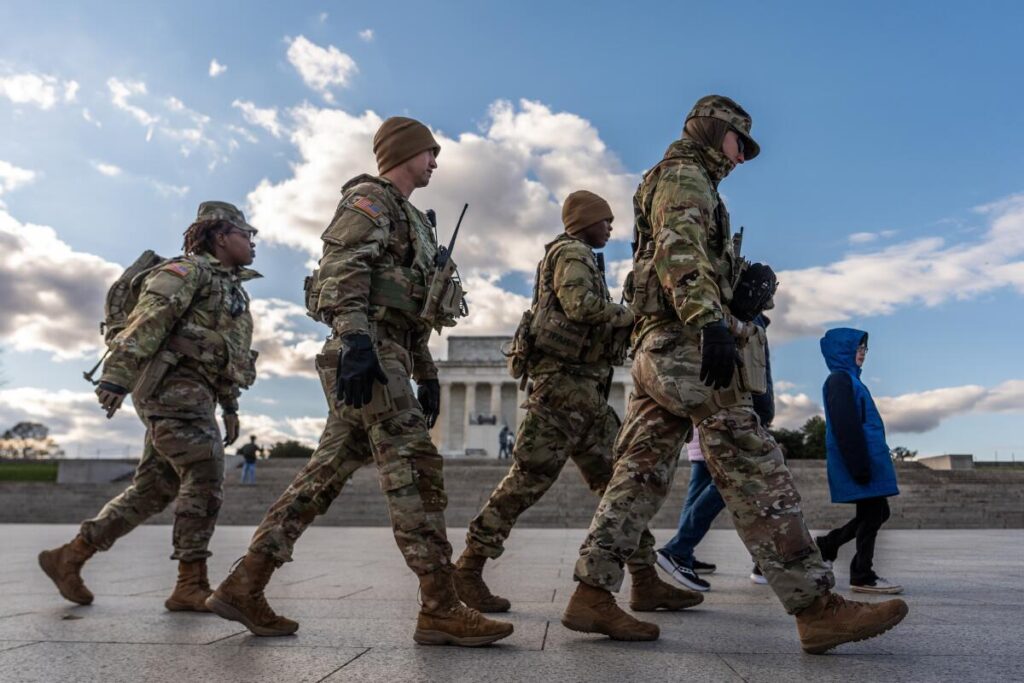
This isn’t Trump’s only use of troops in U.S. cities since returning to office in January 2025.
He’s authorized deployments in Washington, D.C.—which he called one of the “most dangerous cities in the World”—as well as threats or actions in places like Chicago, Portland, and Memphis to combat crime or protect federal interests.
Legal challenges have mounted nationwide.
In California alone, earlier rulings found aspects of the Los Angeles mission violated the Posse Comitatus Act, which limits military involvement in civilian law enforcement.
The cost to taxpayers has also drawn scrutiny.
Estimates from California’s National Guard calculations put the bill for the Los Angeles deployment at around $120 million by September 2025.
With the Monday deadline looming, the administration could seek further appeals, possibly to the Supreme Court.
But for now, the streets of Los Angeles look set to see the end of a controversial six-month military presence.
What Happens Now?
This case highlights ongoing tensions over presidential powers, states’ rights, and the role of the military at home.
As one expert noted in coverage of similar disputes, deployments like this test the boundaries of executive authority in ways not seen in decades.
The White House has not yet commented on the latest ruling, but past responses have defended the moves as essential for public safety and law enforcement.
For more updates like this, set FrankNez Media as a preferred source on Google below.
Also Read: 23 Democrats Now Vote Against Impeaching Trump
Contact | About | Home | Newsletter
Google is changing how it surfaces content. Prioritize our high-quality news and industry-leading coverage in search results by setting FrankNez Media as a preferred source.