

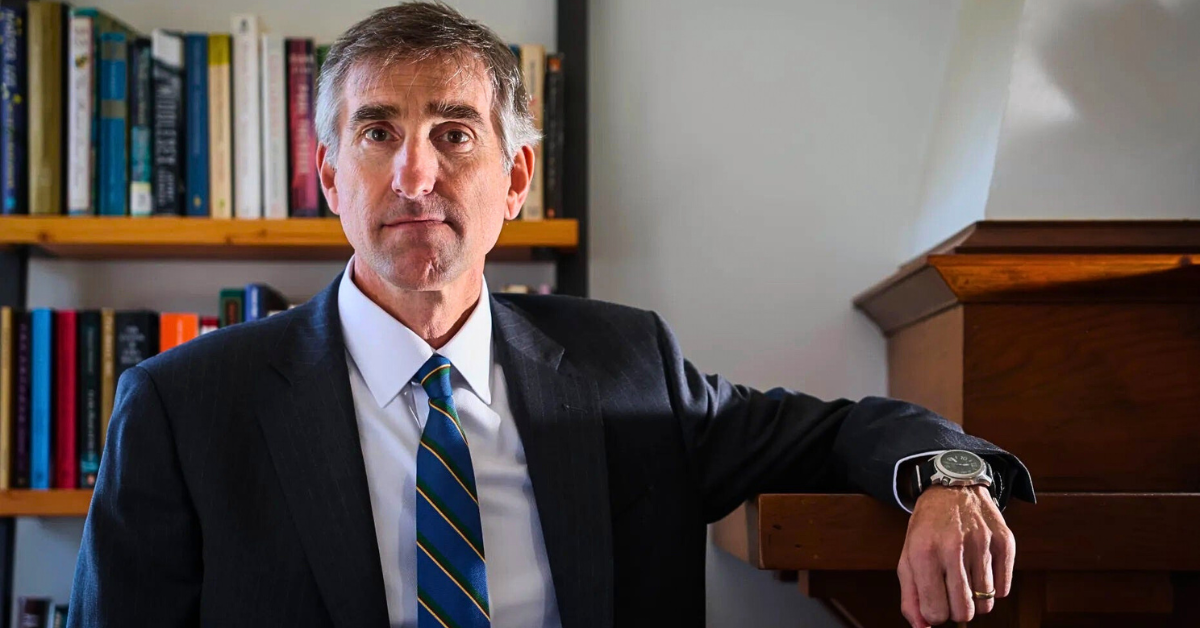
- Hundreds of experienced immigration judges were abruptly fired, leaving thousands of cases in legal limbo and worsening a massive backlog.
- DOJ denies targeting judges while rebranding hires as "deportation judges," raising concerns about expertise and due process.
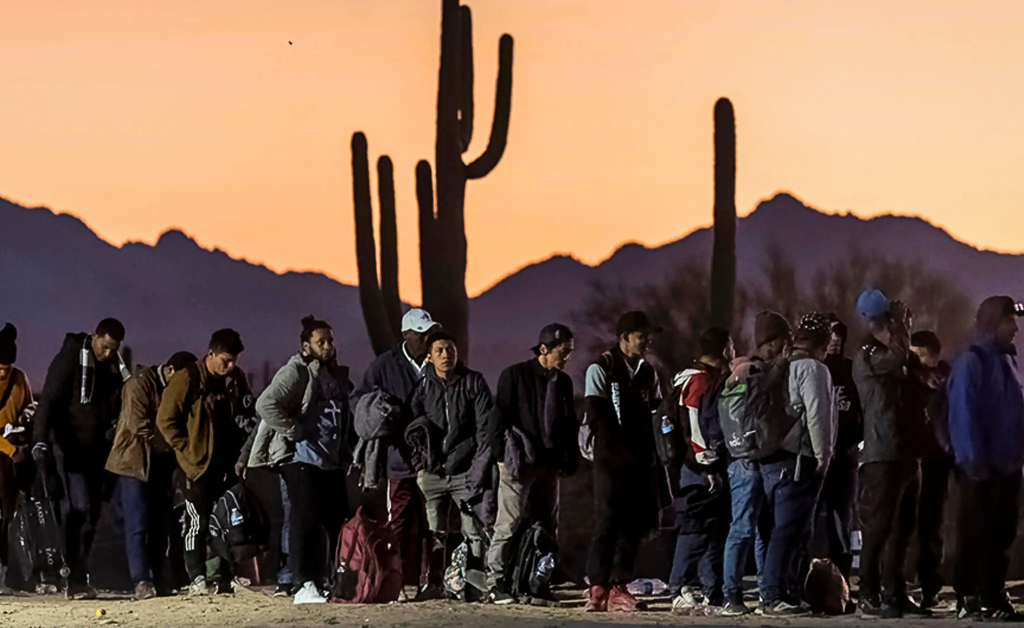
- Increased ICE presence and intimidation in courthouses spurred fear, missed hearings, and self-deportation among vulnerable migrants.
It was just an ordinary Friday in late November when everything changed for Jeremiah Johnson.
The San Francisco-based immigration judge had wrapped up three cases involving immigrants fighting to stay in the U.S. Then word spread: two colleagues had been fired.
Back in his chambers, Johnson checked his email and saw a message with “termination” in the subject line.
The FrankNez Media Daily Briefing newsletter provides all the news you need to start your day. Sign up here.
– FNM
Details of Johnson’s Unexpected Termination
Before he could even print the letter from the Department of Justice, his system access was cut off.
Appointed during Trump’s first term, Johnson had served eight years on the bench.
Suddenly, his job was gone—and hundreds of cases on his docket were left in limbo.
“Immigration is much more than judges, it’s much more than just my job,” Johnson told Newsweek in an interview.
“This is an issue that’s extremely important. It’s even now, I think, more important regarding even just the rule of law. You see the administration avoiding courts, not following the law, or apparently not following the law.”
That same day, in New York City, Olivia Cassin—a judge appointed late in the Obama era—got a similar brief email.
In one short paragraph, Attorney General Pam Bondi informed her that she was removed from her position, effective immediately.
“My strong feeling is that judges, the judges who were fired in New York, for example, who I knew very well, were fired for doing their job, for being careful, for affording people due process, a real day in court,” Cassin said in her Newsweek interview.
“Every judge who was fired is a real expert in immigration law. Has a very strong background in immigration law, and reputation for fairness and for affording people a day in court.”
DOJ Says Judges Weren’t ‘Targeted’
Johnson and Cassin weren’t isolated cases. Several other judges nationwide received identical termination emails from the DOJ, which oversees the country’s immigration courts.
With a backlog already hovering around 3.6 million cases, the sudden loss of experienced adjudicators meant thousands more immigrants facing delays—or worse.
The DOJ pushed back, telling Newsweek that no individual judges were targeted.
All are “continuously reviewed” and expected to remain impartial.
“After four years of the Biden Administration forcing Immigration Courts to implement a de facto amnesty for hundreds of thousands of aliens, this Department of Justice is restoring integrity to our immigration system and encourages talented legal professionals to join in our mission to protect national security and public safety,” a spokesperson said.
Yet, as judges were shown the door, the administration began recruiting replacements—rebranding the roles as “deportation judges” in social media posts and job listings, rather than “immigration judges.”
“Coincidentally, those ads started, for judges that would be part of the solution of the backlog and the American problem with immigration, the day that I was fired,” Cassin noted.
She spotted the postings in a group chat with fellow judges, sparking confusion: Why was the Secretary of Homeland Security advertising DOJ positions?
“It validates my feeling of the dismissal of experts in immigration law, being replaced by people who are not experts.”
The hiring push has continued, though it’s unclear how many new judges have been brought on or what training they’re getting amid the massive caseloads left behind.
Johnson highlighted the practical fallout.
With ICE arrests surging, court waiting lists are exploding—he was already scheduling hearings into June 2029 after inheriting files from another fired judge.
“If you don’t have judges, you don’t have courts. So, what happens to their cases? You have people waiting in legal limbo,” he said.
“So, people may decide to just simply leave the United States and not have their case heard at all, although they might have a meritorious case.
So, it’s this strategy of avoiding immigration courts, even though the law is what’s saying: this is how you remove someone from the United States.”
Cases Plunge Amid Change in Judges
Both ex-judges reflected on shifting pressures over the years. In Trump’s first administration, quotas were imposed—part of a “no dark courtrooms” push to keep cases moving relentlessly.
Cassin handled many cases involving unaccompanied minors, holding hearings for a handful of the 60-70 kids on her docket each Tuesday.
Lately, many stopped appearing.
“These kids stopped coming to court entirely because they heard that some of their friends, high school students in New York, were detained and sent back to their countries or detained under terrible conditions,” she recalled.
“My heart broke, because I wanted these kids to come to court and I wanted to hear their asylum cases, I wanted to adjudicate their other applications for relief, and so many of them didn’t come.
At a certain point, what a judge has to do, if somebody doesn’t come to court, you have to order them deported in absentia.”
The atmosphere in courts has grown intimidating this year.
More ICE agents patrol hallways; protests erupt inside and outside buildings like Manhattan’s 26 Federal Plaza near Cassin’s old courtroom.
There have been repeated arrests of immigrants leaving court—some with deportation orders, others visiting USCIS offices in the same complexes.
“I have been traumatized by what has happened in the court,” Cassin said.
“I would say there was a takeover of our courts, a hostile takeover, of masked ICE agents, threatening figures outside of our courtrooms, lining the hallways.
I felt uncomfortable from day one. I made my discomfort and fear known to the higher ups. I felt fear going using the restrooms when ICE agents were lining the wall across from the restroom,” she added.
“I felt fear just walking in the halls to reach my courtroom.”
Higher-ups reportedly dismissed her concerns, suggesting she stay in her chambers if agents bothered her.
“I have lived in many different countries, visited many countries. I’ve never physically felt so threatened and unsafe by being there,” Cassin said.
“So, you could imagine what it felt like for people who were potentially being detained.”
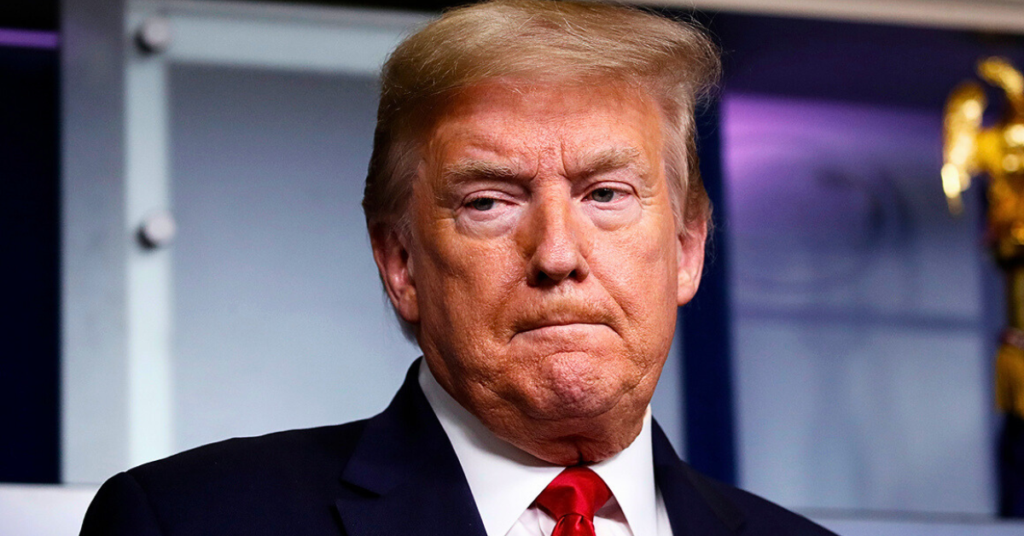
People Are Self-Deporting to Avoid ICE Custody

Johnson shared a heartbreaking courtroom moment: A detained woman, likely to win her case, begged for voluntary deportation instead of enduring more ICE custody.
“Everyone’s always asking immigrants, what countries did you go to or travel through when you got to America?
Panama, Guatemala, they go through them all, and the DHS attorneys like, ‘Well, why didn’t you apply for asylum in Mexico? Why didn’t you apply for asylum in Costa Rica?’” he recounted.
“That’s not America. Around the world, America stands for something. Or it did. But at that time, I shut the door, I turned off the light a little bit, and it was me doing that,” he said.
“It was disheartening to see an individual tell me that. I saw her loss of that understanding of what America is, and I fear that others may feel that same loss.”
These firings fit into a broader pattern.
Reports indicate over 100 immigration judges have been terminated, pushed out, or transferred since Trump returned to office in January 2025, dropping the total from around 700 to about 600.
Earlier waves hit New York (eight in December, including assistant chief Amiena Khan), San Francisco, and other cities.
Some judges sued, alleging discrimination; others pointed to patterns targeting those with immigrant defense backgrounds.
What Happens Next?
The administration has turned to temporary fixes, like deploying military lawyers as judges and advertising “deportation judge” roles.
Critics, including the National Association of Immigration Judges, argue this undermines expertise and due process amid a backlog now exceeding 3.7 million cases.
Echoes of Trump’s first term linger too—quotas requiring 700 cases per year drew fierce opposition from the judges’ union, seen as eroding independence.
As mass deportations ramp up, these voices from the bench warn of a system strained to breaking, where fairness and the rule of law hang in the balance.
For more updates like this, set FrankNez Media as a preferred source on Google below.
Also Read: 23 Democrats Now Vote Against Impeaching Trump
Contact | About | Home | Newsletter
Google is changing how it surfaces content. Prioritize our high-quality news and industry-leading coverage in search results by setting FrankNez Media as a preferred source.