

- Nebraska will be the first state to implement Medicaid work requirements for expansion enrollees, requiring 80 hours monthly of work or community engagement.
- Critics warn paperwork and administrative hurdles could cause large coverage losses, mirroring past state experiments that failed to boost employment.
Nebraska is stepping up as the pioneer in a major policy shift for Medicaid, the program that provides health coverage to millions of low-income Americans.
On December 18, 2025, the state announced it will be the first to implement work requirements for certain recipients, following a new federal law signed by President Donald Trump earlier this year.
This move comes as part of the “One Big Beautiful Bill,” a sweeping piece of legislation passed in July 2025 that mandates work or community engagement rules for Medicaid expansion enrollees nationwide by 2027.
The FrankNez Media Daily Briefing newsletter provides all the news you need to start your day. Sign up here.
– FNM
States can opt in early, and Nebraska is wasting no time.
What the New Rules Mean for Nebraskans
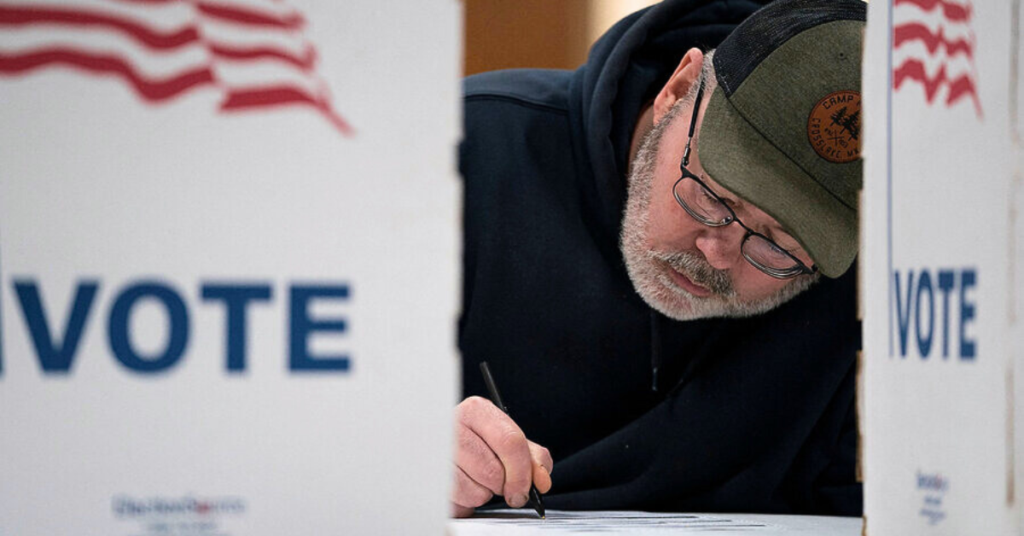
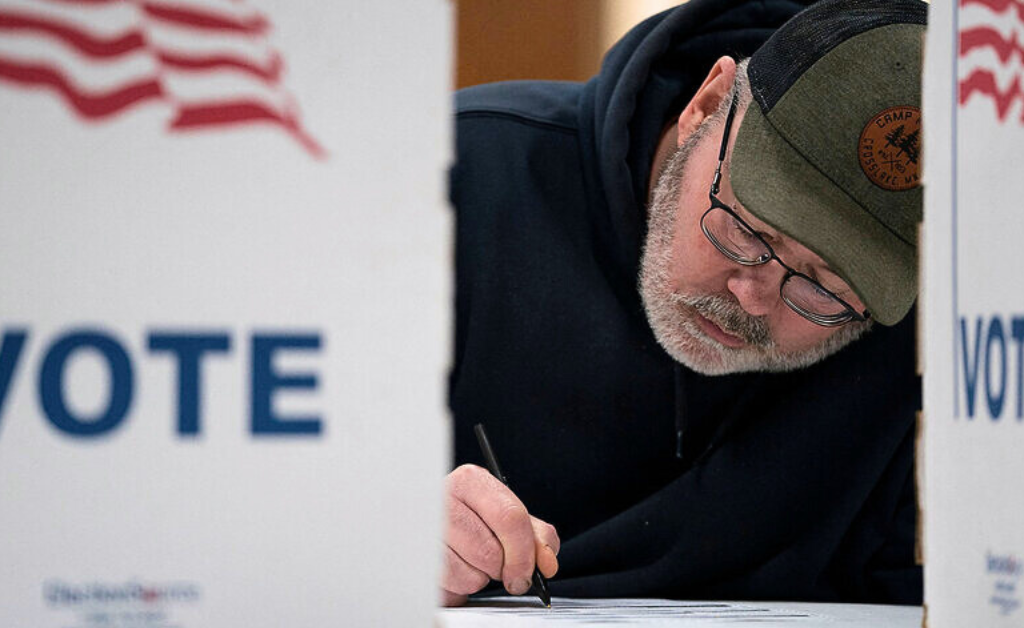
The requirements target able-bodied adults aged 19 to 64 who qualify for Medicaid through the state’s expansion program—which covers people with incomes slightly above traditional limits.
These folks will need to prove at least 80 hours per month of work, community service, or similar activities.
Half-time enrollment in school also counts as compliance.
Out of Nebraska’s roughly 346,000 Medicaid enrollees as of May 2025, about 72,000 are in this expansion group and could be affected.
There are exemptions to protect vulnerable groups: pregnant women, primary caregivers of young children or disabled dependents, disabled veterans, people in addiction treatment, the homeless, and those recently released from incarceration, among others.
Governor Jim Pillen, a Republican, emphasized that the state won’t hire extra staff for this.
They’ll lean on existing resources and technology to handle the added administrative load.
“We’re not here to take everybody to the curb [but we’re] making sure we get every able-bodied Nebraskan to be part of our community,” Pillen said.
“This is a hand up, not a handout.
It’s a key piece of giving the discipline for our families to be successful. It’s a key piece of self-worth. It’s a key piece of mental health and stability.”
Dr. Mehmet Oz, who heads the Centers for Medicare and Medicaid Services, echoed that sentiment: “So, there actually is work to do. We just got to get it to people who are struggling to find their way with the job opportunities that can allow them to get back on their feet and get back into full employment.”
Nebraska plans to notify around 70,000 affected residents by early January 2026.
The state aims to have its tracking system ready by May, with full enforcement kicking in shortly after.
Critics Raise Alarm Over Potential Coverage Losses
Not everyone’s on board. Advocacy groups warn that bureaucracy, not laziness, could strip coverage from eligible people.
Edison McDonald, executive director of National Disability Action, pointed out: “When people lose Medicaid, they do not become more employable. They become sicker, less stable and more likely to fall out of the workforce entirely.
Nebraska should fix access and capacity problems before layering on policies that will push vulnerable people off care.”
Sarah Maresh, Health Care Access Program Director at Nebraska Appleseed, called it “a mistake.”
She noted: “We have seen in other states that when Medicaid work requirements are implemented too quickly, like what Nebraska is proposing here, thousands of people who are eligible for the program unnecessarily lose coverage and millions of state dollars are wasted on ineffective administrative costs.
We know a vast majority of Nebraskans subject to these requirements work or meet an exemption to work requirements, but rushing to implement work requirements will cause them to lose coverage anyway.
The fact that the Governor is already estimating that 30,000 people will lose their coverage proves that our state is not prepared or ready for the task ahead of them.
Our state should take its time to implement the requirements set by H.R.1 to ensure that all eligible Nebraskans maintain the health care coverage they need.”
The Congressional Budget Office projects the national rollout could leave 4.5 million Americans uninsured annually starting in 2027, even as it trims federal spending.

Lessons from Past Experiments
This isn’t the first time states have tried work rules for Medicaid.
During Trump’s first term, his administration approved waivers for 13 states to test them out.
But courts blocked most, and the Biden team later pulled approvals.
Only two fully rolled them out: Arkansas in 2018 and Georgia in 2023.In Arkansas, the program lasted just nine months before a judge halted it.
Over that short period, more than 18,000 people—about a quarter of those subject to the rules—lost coverage.
Research showed little boost in employment; most losses stemmed from paperwork hurdles, not failure to work.
Many enrollees were already working or exempt but got tripped up by reporting requirements, address changes, or simply not knowing about the rules.
Georgia’s “Pathways to Coverage” program remains active as of late 2025, though it’s faced criticism for high administrative costs—nearly $87 million so far, much of it not going to actual medical care.
Enrollment has been lower than expected, and advocates say similar bureaucratic issues persist.
Experts from groups like KFF and the Commonwealth Fund note that most Medicaid adults already work or face barriers like health issues or caregiving.
Nationwide, studies suggest work requirements often lead to coverage gaps without meaningfully increasing jobs.
What’s Next Nationwide?
All states with Medicaid expansion (41 plus D.C. as of 2025) will face the 2027 deadline, unless they seek a delay until 2028 for good cause.
Some, like Arkansas and Kentucky, have already signaled interest in early or renewed waivers.
The Trump administration has framed this as aligning Medicaid with programs like SNAP (food stamps), which have long had work rules for able-bodied adults.
CMS guidance stresses supporting “prosperity” while cutting fraud.
But with Nebraska leading the charge, eyes are on how smoothly—or roughly—this plays out. Will it encourage work and self-reliance, as supporters claim?
Or drive unnecessary disenrollments, as critics fear?
For now, affected Nebraskans should watch for those January notices. And across the country, millions more will soon grapple with the same changes.
Independent media is under attack by industry policies, set FrankNez Media as a preferred source below to fight against media suppression.
Also Read: Trump’s Latest Executive Order is Now Under Fire by GOP
Contact | About | Home | Newsletter
Google is changing how it surfaces content. Prioritize our high-quality news and industry-leading coverage in search results by setting FrankNez Media as a preferred source.