

- Trump blames rising unemployment on unprecedented federal workforce cuts, portraying private-sector job gains as a sign of economic strength.
- Critics point to slower wage growth, job losses in manufacturing, and shutdown-related data distortions as evidence the economy is weakening.
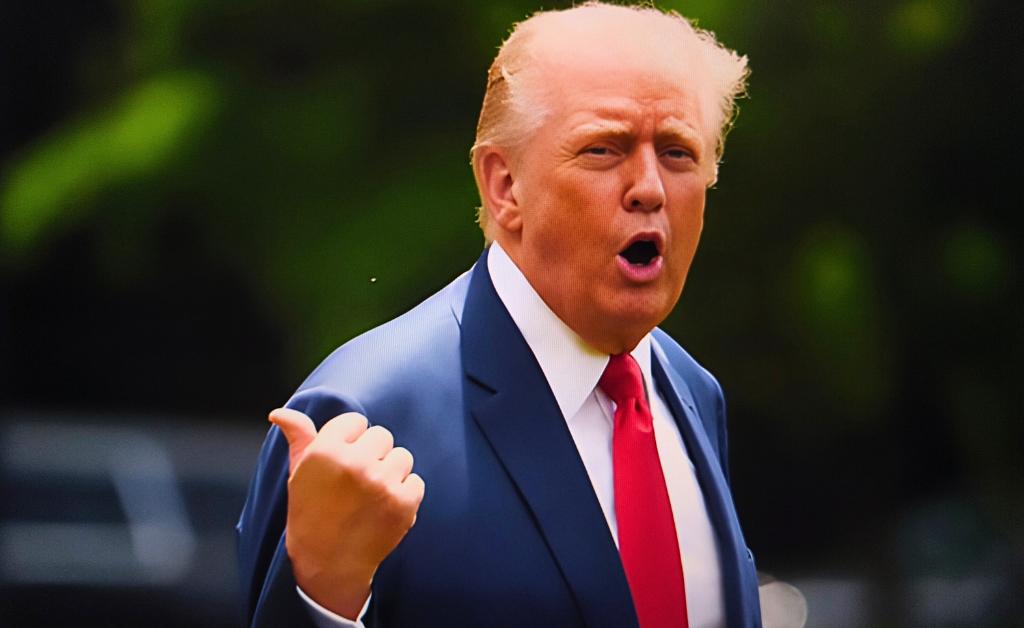
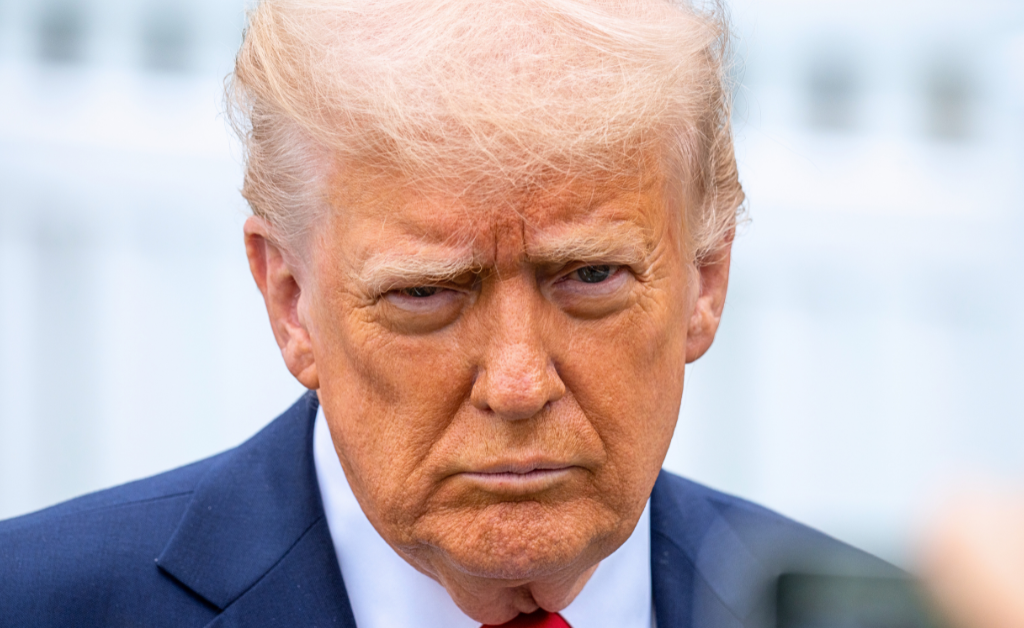
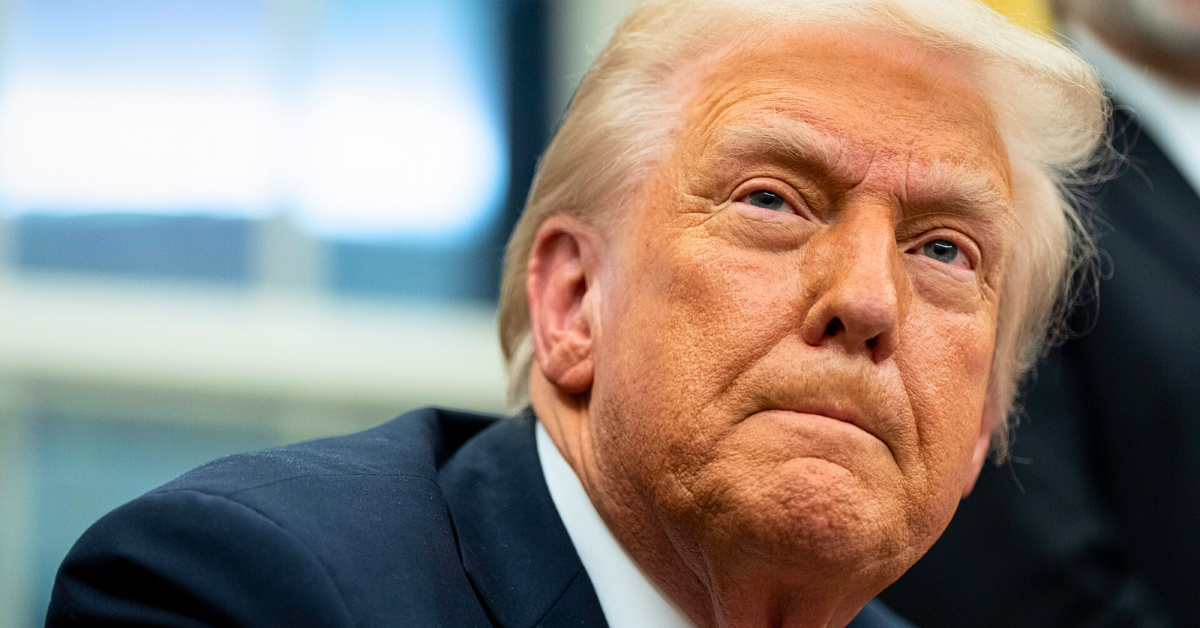
President Donald Trump pushed back hard against criticism of the latest jobs numbers on Friday, insisting that his administration’s aggressive cuts to the federal workforce are the real reason behind the rising unemployment rate—and that it’s actually a sign of strength for the private sector.
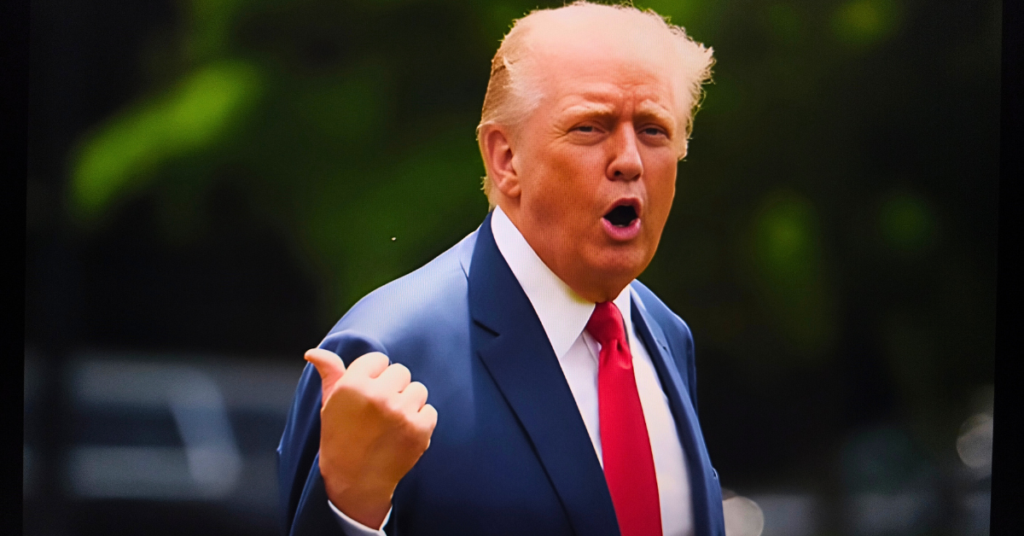
In a post on Truth Social, Trump wrote verbatim: “100% OF OUR NEW JOBS ARE IN THE PRIVATE SECTOR! I could reduce Unemployment to 2% overnight by just hiring people into the Federal Government, even though those Jobs are not necessary.”
He went on to add, “I wish the Fake News would report the 4.5% correctly.”
The FrankNez Media Daily Briefing newsletter provides all the news you need to start your day. Sign up here.
– FNM
Trump continued: “The only reason our Unemployment ticked up to 4.5% is because we are reducing the Government Workforce by numbers that have never been seen before.”
The president’s comments come just days after the Bureau of Labor Statistics (BLS) released a delayed November jobs report showing the unemployment rate climbing to 4.6 percent—the highest level since September 2021.
The report, postponed due to a 43-day government shutdown that ended in mid-November, also revealed modest job gains of 64,000 in November, following a sharp loss of 105,000 jobs in October.
Many of those October losses stemmed from federal workers accepting buyouts and leaving the payrolls, a move tied to the administration’s efforts to shrink government size.
Health care added around 46,000 jobs in November, accounting for much of the net increase, while construction saw some gains. But overall, nonfarm payroll employment has shown little net change since April, according to the BLS.
The broader picture isn’t rosy.
The number of unemployed Americans stood at 7.8 million in November, up from lower levels a year ago when the rate was 4.2 percent.
A more encompassing measure of labor underutilization, which includes people working part-time who want full-time work, jumped to 8.7 percent.
Wage growth slowed to 3.5 percent year-over-year, the weakest pace in years.
Critics have pointed to these figures as evidence that Trump’s policies—like sweeping tariffs announced earlier in the year—are starting to bite.
Manufacturing has shed tens of thousands of jobs since the tariff push in April, with higher costs making it tougher for businesses to expand.
One earlier Newsweek report highlighted how a delayed jobs update dealt a blow to Trump’s economic messaging, noting revisions and struggles with public perception.
Trump has faced heat on the economy before.
Back in the summer, after a disappointing July report came in 73,000 jobs short of expectations, the president fired the Commissioner of Labor Statistics.
That move raised eyebrows about political interference in independent data.
Deeper Dive: What’s Behind the Numbers?

The November report was unusual in many ways.
Because of the shutdown—from October 1 to November 12—BLS couldn’t collect household survey data for October, so there’s no unemployment rate for that month.
Analysts say the November figures carry higher-than-usual uncertainty, with some federal workers possibly counting as unemployed during the transition.
As the BLS noted in its release: “Household survey data for October 2025 were not collected due to the federal government shutdown.”
They compared November directly to September, where the rate was 4.4 percent.
Private sector gains have been the bright spot Trump highlights, but even there, growth has slowed dramatically.
Over the past six months, monthly job additions averaged just 17,000—far below earlier in the year.
Sectors like manufacturing, mining, and professional services have contracted over the past year, while health care and education keep propping up the totals.
Black unemployment hit 8.3 percent in November, a level that would signal severe recession if seen among white workers.
Long-term unemployment held steady at around 1.9 million people.
White House Pushes Back
Despite the headlines, the administration remains defiant.
Officials have recast the data as proof of efficient government trimming, arguing that private-sector focus is healthier long-term.
In response to the report, some aides pointed to more people entering the labor force as a positive sign, even if it nudges the unemployment rate up temporarily.
Trump himself has tied the economy to broader themes, like mass deportations, claiming it frees up jobs and housing for Americans.
But polls show many voters giving him low marks on handling finances, with rising prices and slower hiring adding pressure.
Broader Economic Context
This isn’t happening in a vacuum. The Federal Reserve has cut rates three times this year, citing downside risks to employment.
Chair Jerome Powell has urged caution on the data due to distortions from the shutdown and preliminary revisions suggesting fewer jobs created than initially thought—potentially 911,000 fewer through March.
Retail sales have stalled heading into the holidays, and consumer confidence is shaky.
Tariffs have raised costs for businesses, contributing to caution on hiring.
Some economists warn that if the labor market “cracks” further in 2026, it could tip into recession territory.
Yet, there are counterpoints. The labor force participation rate held at 62.5 percent, and some sectors like construction are benefiting from infrastructure pushes.
The Fed’s latest forecasts see unemployment peaking around current levels before easing.Earlier this year, job growth was stronger—averaging over 100,000 monthly in the first part of 2025—but it tailed off sharply after the tariff announcements and amid uncertainty from the shutdown.
What Happens Now?
The next jobs report, for December, is set for January 9, 2026, and should provide clearer insights without shutdown distortions.
For now, Trump’s team is betting that private-sector resilience and upcoming policy wins will turn the narrative.
As one analyst put it, the market is in a “no-hire, no-fire” mode—businesses holding steady but not expanding aggressively.
Whether that holds, or tips toward more layoffs, could define the economic story heading into the new year.
Trump’s defenders say cutting bloat is worth short-term pain.
Critics argue it’s self-inflicted damage at a time families can least afford it.One thing’s clear: the debate over these numbers is far from over.
Independent media is under attack by industry policies, set FrankNez Media as a preferred source below to fight against media suppression.
Also Read: White House Now Weighs in on Reports of Trump Third Term Possibility
Contact | About | Home | Newsletter
Google is changing how it surfaces content. Prioritize our high-quality news and industry-leading coverage in search results by setting FrankNez Media as a preferred source.