- Roscosmos plans a lunar nuclear power plant by about 2036 to power robotic missions and a joint Russia China International Lunar Research Station.
- Rosatom and the Kurchatov Institute are involved, signaling a fission reactor to provide constant energy during long lunar nights.
- This project deepens Russia China cooperation, heightens geopolitical competition with NASA Artemis efforts, and targets resource extraction and sustained bases.
As the world gears up for another holiday season, space agencies are making headlines with ambitions that sound straight out of science fiction—but they’re very much grounded in reality.
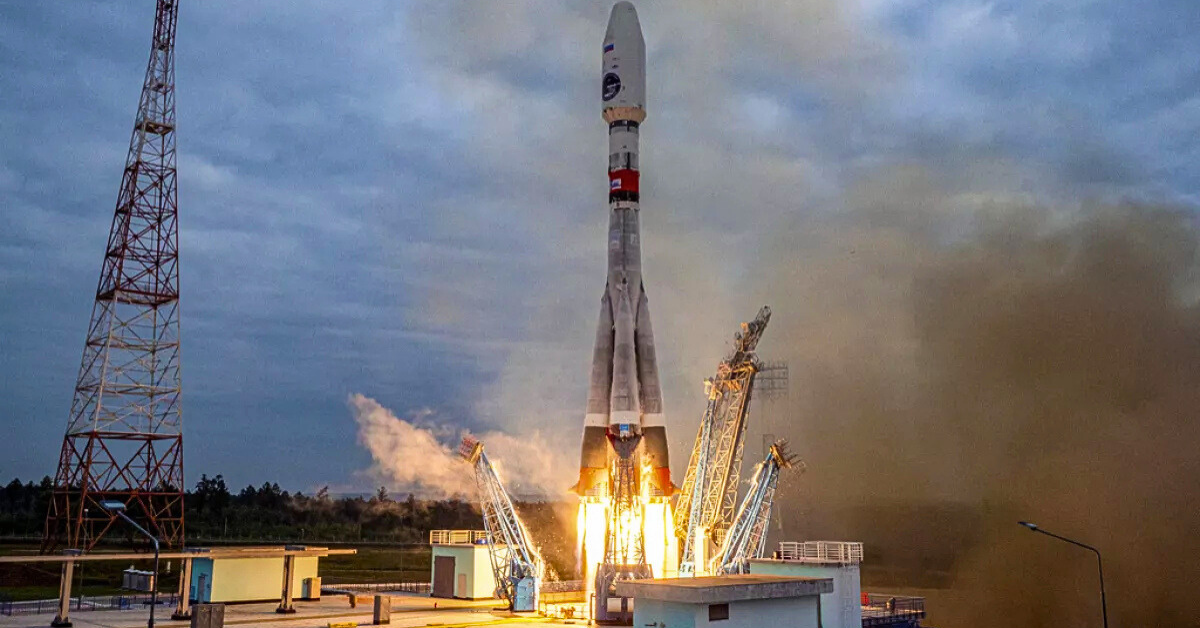
Just this week, Russia’s space corporation Roscosmos announced it’s moving ahead with plans to build a nuclear power plant on the moon by around 2036.
This facility would power not just Russia’s own lunar efforts but also a joint research station with China, marking a significant step in their long-term partnership to establish a permanent presence on Earth’s nearest celestial neighbor.
The FrankNez Media Daily Briefing newsletter provides all the news you need to start your day. Sign up here.
– FNM
Roscosmos has already signed a contract with the Lavochkin Association, a key Russian aerospace firm, to handle the project.
Details of the Ambitious Project
The effort brings in heavy hitters from Russia’s nuclear sector: Rosatom, the state nuclear corporation, and the Kurchatov Institute, a leading nuclear research center.
While officials haven’t outright called it a “nuclear” plant in every statement, the involvement of these entities leaves little doubt about the technology involved.
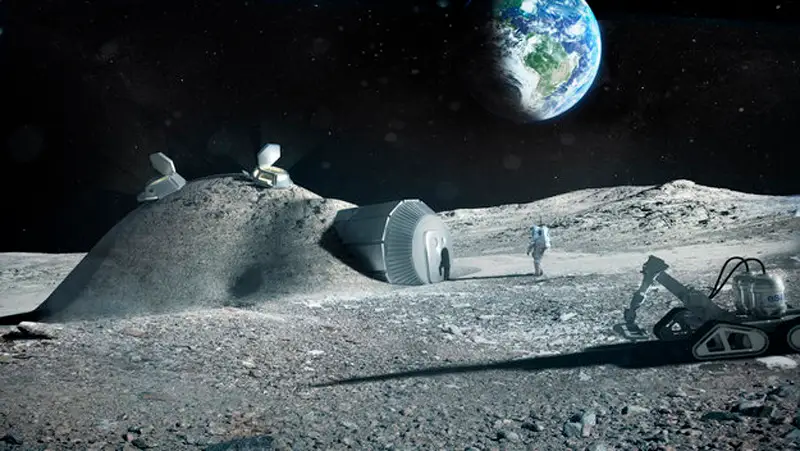
The power plant is designed to support Russia’s broader lunar program, including robotic rovers, a scientific observatory, and the infrastructure for the International Lunar Research Station (ILRS)—a collaborative venture with China’s National Space Administration (CNSA).
Roscosmos described the initiative as a pivotal shift: “The project is an important step toward creating a continuously operating lunar scientific station and transitioning from one-time missions to a long-term exploration program.”
This latest update builds on years of deepening cooperation between Moscow and Beijing.
Back in 2021, the two nations signed a memorandum of understanding to jointly develop the ILRS, envisioning a base on the lunar surface and in orbit capable of long-term autonomous operations.
Over time, they’ve fleshed out the details: the station would conduct multi-disciplinary research, including lunar exploration, resource utilization, and astronomical observations.
When Will This Development Happen By?
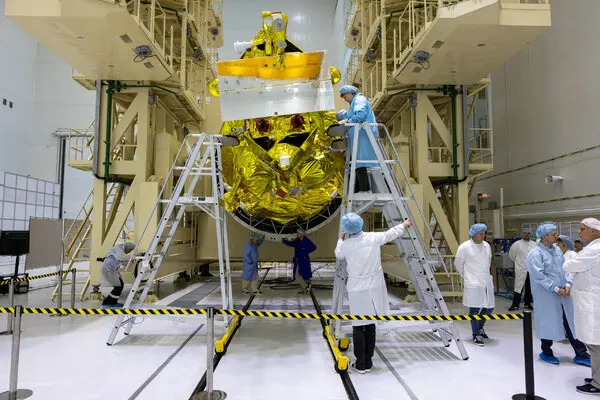
Earlier announcements from Roscosmos officials, including former head Yury Borisov, pointed to deploying an automated nuclear reactor between 2033 and 2035, constructed without human presence on site thanks to advancing robotics.
The timeline has seen some adjustments—now eyeing completion around 2036—but the goal remains the same: reliable energy for a base that could eventually host crewed missions.
Nuclear power makes sense here because the moon’s harsh environment poses big challenges for energy.
At about 384,400 kilometers (238,855 miles) from Earth, solar panels struggle during the two-week-long lunar nights, and batteries alone can’t sustain heavy operations.
A nuclear system could provide steady power regardless of sunlight, essential for habitats, instruments, and resource processing.
Russia’s push comes amid efforts to reclaim its space legacy.
The country pioneered human spaceflight with Yuri Gagarin’s 1961 orbit, but recent decades have seen setbacks, including the 2023 crash of the unmanned Luna-25 mission during a landing attempt.
Placing a nuclear plant on the moon is now a strategic priority for Roscosmos, alongside ventures like Venus exploration.
Meanwhile, the U.S. isn’t sitting idle.
United States Takes Action
NASA has its own plans to deploy a nuclear reactor on the moon by the early 2030s as part of the Artemis program.
In August reports, U.S. Transportation Secretary Sean Duffy emphasized the stakes: “We’re in a race to the moon,” he said.
“And to have a base on the moon, we need energy.”
He noted that reliable power would also support future Mars missions.
NASA’s fission surface power efforts, in partnership with the Department of Energy, aim for a 40-kilowatt system lasting at least a decade, with concepts already in development from companies like Lockheed Martin and Westinghouse.
The Artemis Accords, signed by dozens of nations, guide cooperative lunar exploration under U.S. leadership, contrasting with the ILRS’s more independent path.
What’s driving all this? The moon holds tantalizing resources.
NASA estimates suggest up to a million metric tons of helium-3—a potential fuel for future fusion energy—along with rare earth elements like scandium, yttrium, and lanthanides, vital for electronics and manufacturing.
Water ice at the poles could be split into oxygen and hydrogen for breathing and rocket fuel.
Geopolitically, it’s a new frontier for competition.

Should Nuclear Power Frighten Us?
International treaties ban nuclear weapons in space but permit peaceful nuclear energy uses, as long as safety standards are met.
Still, analysts see these power plants as enablers for sustained bases, potentially influencing control over prime lunar real estate, especially the south pole where sunlight is more consistent.
The Russia-China partnership has evolved since the initial 2021 agreement.
They’ve signed further memorandums, including one in 2025 for the nuclear facility itself, and invited other nations to join—countries like Pakistan, the UAE, and even Serbia have expressed interest.
China’s Chang’e missions, including upcoming south pole explorers like Chang’e-7 and -8, will lay groundwork with resource tests and 3D printing demos.
For Russia, teaming with China leverages its nuclear expertise while gaining from Beijing’s rapid advances in launchers and funding.
It’s a way to bypass Western sanctions and partnerships post-Ukraine tensions.
What Happens Next?
As these plans unfold, the moon is becoming less a distant dream and more a stage for 21st-century great-power rivalry—and cooperation.
Whether it’s the ILRS or Artemis, nuclear power looks set to light the way for humanity’s next giant leap.
Independent media is under attack by industry policies, set FrankNez Media as a preferred source below to fight against media suppression.
Also Read: White House Now Weighs in on Reports of Trump Third Term Possibility
Contact | About | Home | Newsletter
Google is changing how it surfaces content. Prioritize our high-quality news and industry-leading coverage in search results by setting FrankNez Media as a preferred source.