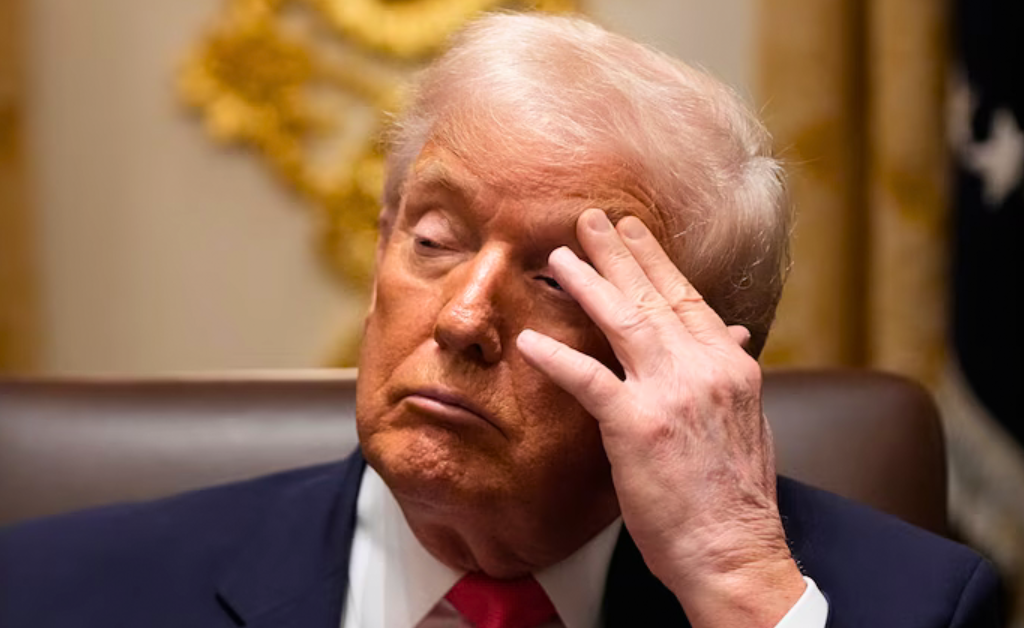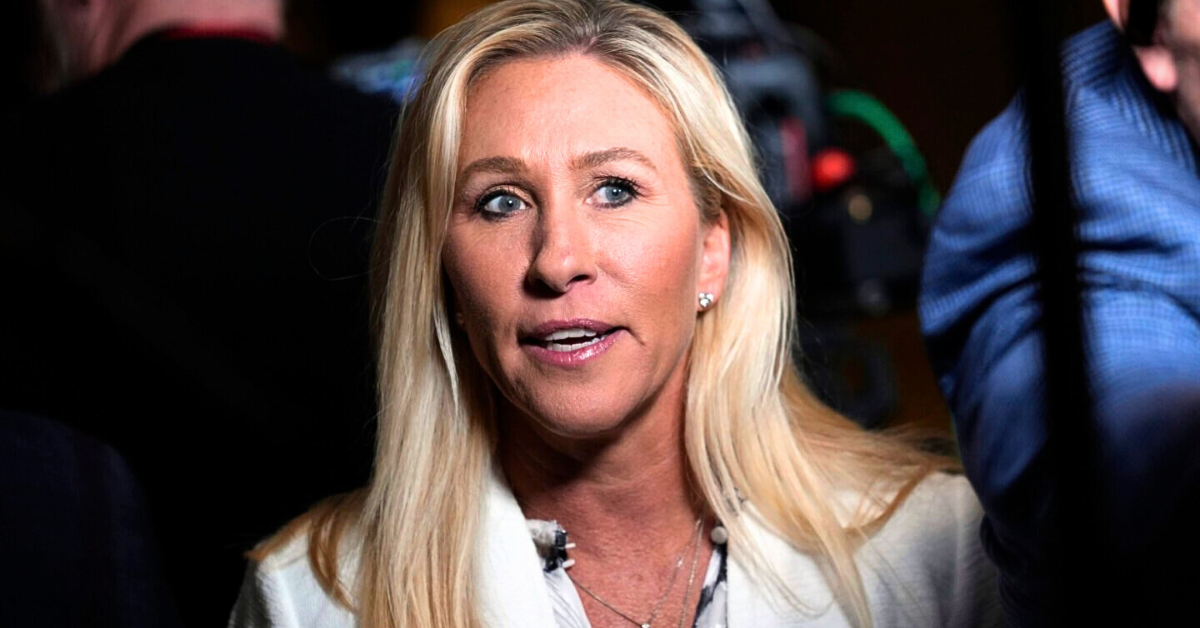
- Marjorie Taylor Greene sharply criticized Trump for prioritizing meetings with Zelensky and Netanyahu over domestic issues, echoing an "America First" stance.
- Trump's back-to-back diplomacy aims for breakthroughs in Ukraine and Gaza, deepening GOP divisions between global engagement and isolationist priorities.
In a sharp rebuke that’s raising eyebrows across Washington, Georgia Republican Representative Marjorie Taylor Greene took to social media on Sunday to slam President Donald Trump for his scheduled meetings with foreign leaders.
As Trump hosted Ukrainian President Volodymyr Zelensky at his Mar-a-Lago resort in Palm Beach, Florida, that same day—and with Israeli Prime Minister Benjamin Netanyahu set to follow on Monday—Greene posted bluntly on X: “Zelensky today.
Netanyahu tomorrow. Can we just do America?”
The FrankNez Media Daily Briefing newsletter provides all the news you need to start your day. Sign up here.
– FNM
The post quickly went viral, highlighting what appears to be a deepening rift between Greene, once one of Trump’s most loyal allies in Congress, and the president himself.
Details of Greene’s Criticism
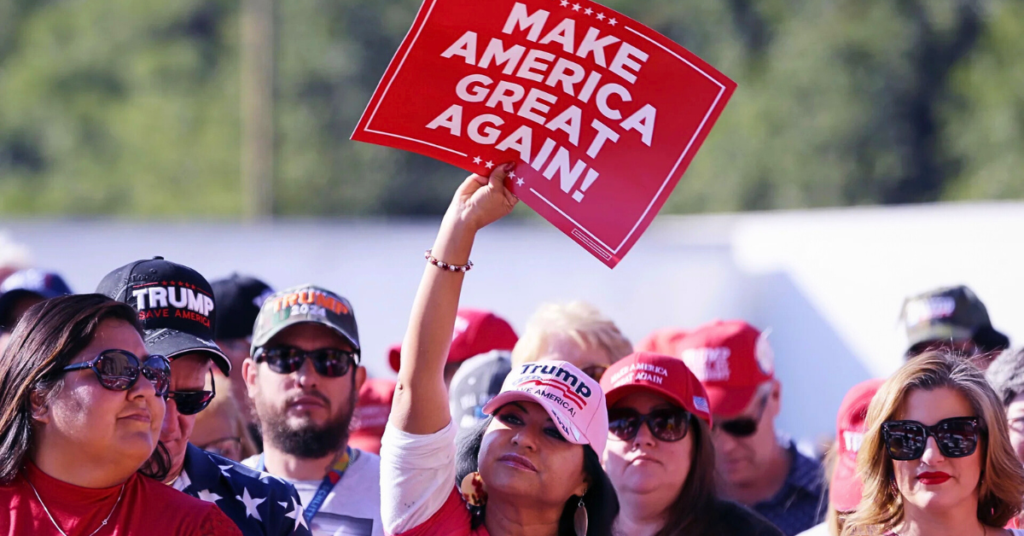
Greene’s criticism underscores her long-standing push for an “America First” agenda that prioritizes domestic issues over international entanglements, a stance shared by a growing isolationist wing within the Republican Party.
Trump’s meeting with Zelensky on December 28 focused heavily on advancing a peace framework to end Russia’s nearly four-year war in Ukraine.
Emerging from more than three hours of talks, Trump told reporters they had “made a lot of progress,” describing the discussions as getting the two sides “a lot closer, maybe very close” to a deal.
He acknowledged “one or two very thorny issues,” particularly around territory in the Donbas region, but expressed optimism, saying security guarantees between the U.S. and Ukraine were nearly fully agreed upon—putting it at about 95% resolved.
Zelensky echoed the positive tone, calling it a “really great discussion” where negotiators had aligned on “90 percent” of a 20-point peace plan.
The Ukrainian leader noted that U.S.-Ukraine security guarantees were “100% agreed” in his view, though Trump tempered that slightly.
Notably, Trump revealed he had spoken by phone with Russian President Vladimir Putin just before the Zelensky meeting, calling it a “good and very productive” conversation lasting over an hour.
He planned to follow up with Putin again soon.
European leaders were also looped in via a conference call during the talks, with French President Emmanuel Macron later posting on X about progress on security contributions from a “Coalition of the Willing,” set to meet in Paris in early January.
Trump’s Foreign Policy Agenda

The Palm Beach sit-down marked the fourth meeting between Trump and Zelensky this year, part of Trump’s aggressive diplomatic push since returning to office.
Trump has repeatedly touted his goal of swiftly ending the Ukraine conflict, a promise he made central to his campaign.
Monday’s agenda shifts to the Middle East, with Netanyahu arriving for talks at Mar-a-Lago—though some reports had initially pegged it for the White House or December 29.
The discussions are expected to center on advancing the next phase of a Gaza ceasefire plan brokered under Trump’s administration.
A fragile truce between Israel and Hamas took effect in October, but gaps remain on key issues like Hamas disarmament, postwar governance of Gaza, and the role of an international stabilization force.
Israeli officials have signaled Netanyahu will push for firm U.S. backing on security concerns, including potential friction over Turkey’s involvement in Gaza reconstruction and ensuring Hamas fully disarms before major rebuilding begins.
Trump advisers like envoy Steve Witkoff and Jared Kushner have been working with regional players—Egypt, Qatar, and Turkey—to lay groundwork for phase two, which includes Israeli forces pulling back and Hamas handing over weapons.
However, sources close to the talks suggest Netanyahu has expressed skepticism about some of these proposals, particularly demilitarization timelines.
This back-to-back foreign leader schedule is exactly what irked Greene.
Her opposition isn’t new; she’s consistently criticized U.S. involvement abroad, breaking from many Republicans on aid to both Ukraine and Israel.
America First Becomes America Second?
Earlier this year, she referred to Zelensky as “a dictator who canceled elections” and became the first GOP lawmaker to call the Gaza humanitarian crisis a “genocide.”
In January, she praised Trump and Secretary of State Marco Rubio for halting foreign aid to most countries except Israel and Egypt, writing on X:
“The American people are not, we are celebrating.”
But Greene’s relationship with Trump has soured dramatically in recent months.
What started as clashes over issues like the release of Jeffrey Epstein files escalated into public barbs.
Trump withdrew his endorsement, called her a “traitor,” and even suggested primarying her.
Greene, in turn, announced in November she would resign from Congress effective January 5, 2026, saying she refused to be a “battered wife” in politics and didn’t want her district enduring a “hurtful and hateful primary.”
In her resignation video, she warned of being “cast aside” by neocons, the military-industrial complex, and “foreign leaders.”
She’s since doubled down in interviews, telling NBC News: “We didn’t elect the president to go out there and travel the world and end the foreign wars.”
On CBS’s 60 Minutes, she questioned if Trump was still truly “America First,” citing his meetings with controversial figures and focus abroad while Americans struggle with costs at home.
Greene’s latest shot reflects broader tensions in the GOP.
What Happens Next?
While Trump dives deep into global diplomacy—claiming quick wins on long-stalled conflicts—a faction led by figures like her argues it’s distracting from domestic priorities like inflation, border security, and everyday economic pressures.
As 2025 wraps up, these meetings could yield breakthroughs: closer to Ukraine peace than ever, per Trump, and momentum on Gaza’s fragile truce.
Or they might highlight persisting divides—not just internationally, but within Trump’s own party.
With Greene’s voice still echoing from the sidelines, the debate over “America First” versus active global leadership shows no signs of quieting down.
Independent media is under attack by industry policies, set FrankNez Media as a preferred source below to fight against media suppression.
Also Read: Bill Clinton Now Reacts to Heavily Redacted Epstein Photos Featured in Pool
Contact | About | Home | Newsletter
Google is changing how it surfaces content. Prioritize our high-quality news and industry-leading coverage in search results by setting FrankNez Media as a preferred source.