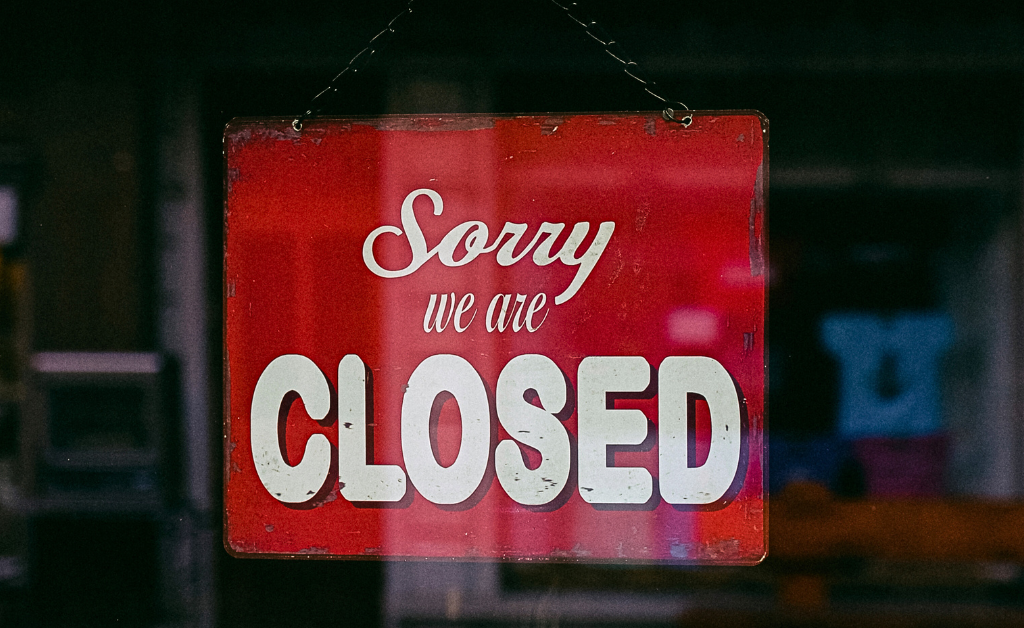


- Beauty Brands will close seven of its 15 locations on December 28, 2025, reducing its footprint after prior Chapter 11 restructurings.
- The company aims to restructure for profitability, offering employee transfers while industry shifts favor online sales over brick and mortar.
Beauty Brands, the Kansas City-based cosmetics retailer and salon chain, is closing seven of its 15 locations on December 28, 2025, marking another significant contraction for a company that has been grappling with financial challenges since its 2019 Chapter 11 bankruptcy.
The closures include stores in high-profile areas like the Country Club Plaza (438 Ward Parkway) and Shawnee (15320 Shawnee Mission Parkway) in the Kansas City metro, as well as the Lawrence, Kansas location at 3514 Clinton Parkway.
All four St. Louis-area stores—in Edwardsville, Shiloh, and others—are also shutting their doors permanently on the same date.
The FrankNez Media Daily Briefing newsletter provides all the news you need to start your day. Sign up here.
– FNM
This move comes as part of a broader effort to restructure and return to profitability, according to CEO David Bernstein.
Official Statements
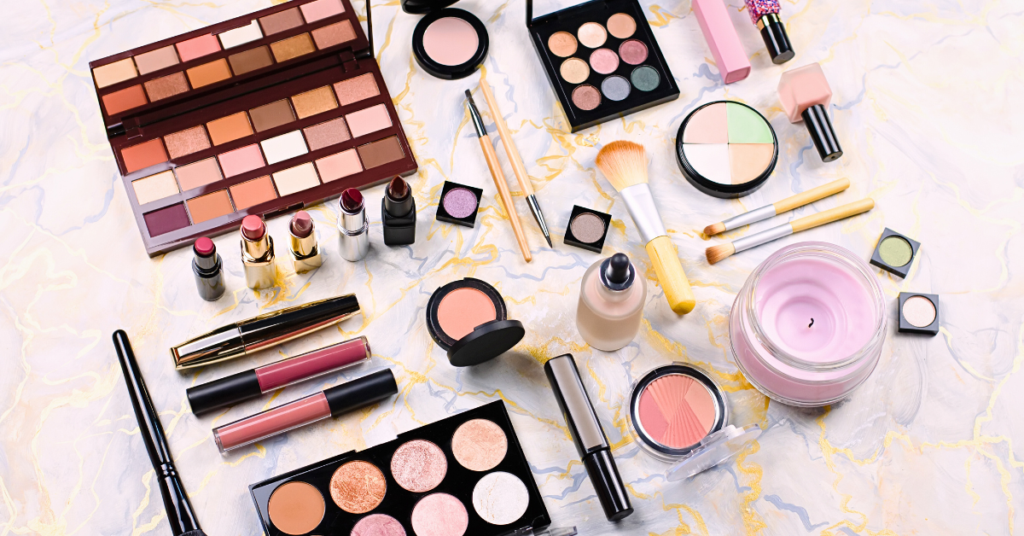
“We’re going to create stronger Beauty Brands,” he told the Kansas City Business Journal.
The company has emphasized support for affected employees, with leadership noting that many salon professionals and managers from closing locations have been offered transfers to remaining stores.
Beauty Brands now operates just 15 corporate-owned locations across Illinois, Kansas, and Missouri, employing more than 600 trained customer service associates and salon professionals.
“If you’d like to visit Beauty Brands, we operate 15 corporate-owned locations in Illinois, Kansas and Missouri.
We employ more than 600 specially trained, knowledgeable customer service associates and salon professionals across these locations,” the company states on its website.
Back in early January 2019, Beauty Brands filed for Chapter 11 bankruptcy when it had around 58 stores across 12 states. Prior to that filing, it had already closed 25 underperforming locations.
Investor Bob Bernstein purchased several stores out of bankruptcy later that year, and his son David took over as CEO.A company spokesperson expressed gratitude to customers and staff in closing markets.
“First, we are extremely grateful to all our associates who have provided outstanding service to our clients over the years,” the spokesperson said in a statement to local media.
“We also want to thank the entire Lawrence community for providing us with a wonderful home since 1996.”
Industry Benchmarks and Statistics
These latest closures reflect deeper shifts in the beauty industry, where brick-and-mortar stores are losing ground to online sales.
Physical locations remain crucial for trying products—like finding the perfect makeup shade—but once customers know what they want, many turn to digital channels for convenience.
The global beauty market, valued at $450 billion, grew 7% annually from 2022 to 2024, driven by demand for new products.
But McKinsey’s State of Beauty 2025 report warns of slowing growth due to economic uncertainty, market saturation, and changing preferences.
“For years, a seemingly insatiable appetite for newness in beauty fueled robust volume and even greater pricing growth… Now, geopolitical and economic uncertainty, market saturation, and evolving consumer preferences threaten that progress, requiring industry leaders to develop a new growth strategy.”
By 2030, online channels are expected to make up nearly one-third of global beauty sales, up from 26% in 2024.
Retailers Caught in Headwinds
Specialty retailers like Beauty Brands may hold their share, but department stores and drugstores could decline.
This isn’t the only big story hitting physical beauty retail in 2025.
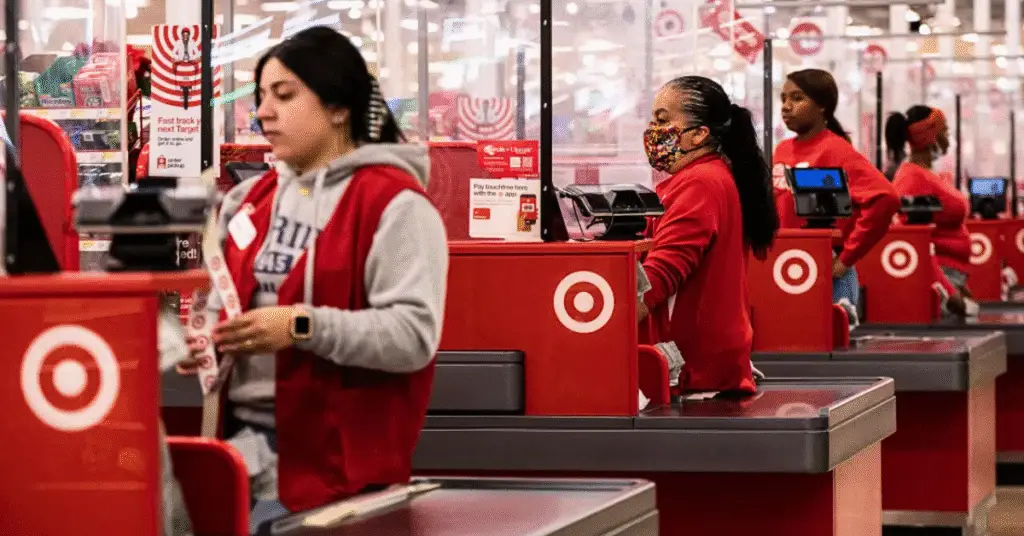
Ulta Beauty and Target announced in August that they would end their “Ulta Beauty at Target” partnership by August 2026.
The collaboration, which started in 2021, grew to over 600 shop-in-shop locations inside Target stores.
Both companies called it a mutual decision, with Target planning to keep a strong beauty assortment and Ulta focusing on its core business, including a new standalone marketplace.
Analysts pointed to issues like staffing, loyalty program differences, theft (leading to more locked cases for beauty items), and inventory challenges as factors in the split.
“Target has been tackling out of stock issues more generally since the Ulta partnership debuted in 2021.
Similar to other mass retailers dealing with theft, Target also increased its use of locked merchandise, including beauty products, since the partnership began,” reported Retail Dive.
The end of that partnership means hundreds of mini Ulta shops will disappear from Target aisles, another blow to in-store beauty experiences.
A Retail Trend with No Signs of Slowing Down
Beauty Brands’ struggles fit into a larger pattern of retail contraction in 2025.
Coresight Research projects about 15,000 U.S. store closures this year, far outpacing openings, with bankruptcies driving much of the trend.
Retail bankruptcies jumped to 51 major cases in 2024 from 25 the year before.
In the beauty space alone, several brands faced distress.
Beauty technology firm Cutera filed a prepackaged Chapter 11 in March 2025 to cut $400 million in debt and emerged stronger by May.
Cosmetics company SBLA Beauty filed around the same time to reorganize.
Natural products maker Valley of the Sun Cosmetics also sought Chapter 11 protection.
Older icons haven’t fared better—Avon filed in 2024 amid debt and lawsuits, while Revlon went through bankruptcy in 2022.
Even without bankruptcy, some beauty-adjacent closures hit hard.
Skincare lines like Apostrophe (shut down by parent Hims & Hers) and Futurewise discontinued operations.
Broader retail woes amplified the pressure: Forever 21 closed all U.S. stores after its second Chapter 11, Joann Fabrics wound down entirely in its second filing, and Rite Aid closed remaining locations in its second bankruptcy.
What Happens Next?
For Beauty Brands loyalists, the remaining eight stores offer continuity—salons for hair, facials, manicures, and a curated selection of products.
But the sharp downsizing from 58 stores pre-2019 bankruptcy to just a handful now underscores how tough the market has become for mid-sized beauty chains.
As one era of expansive retail footprints ends, survivors like Beauty Brands are betting on leaner operations to weather the shift toward online dominance.
Whether that’s enough remains to be seen, but for now, customers in Illinois, Kansas, and Missouri still have spots to get that in-person beauty advice and service.
For more on updates like this, set FrankNez Media as a preferred Google source below.
Also Read: A Massive Convenience Chain Now Closes 500 Stores
Contact | About | Home | Newsletter
Google is changing how it surfaces content. Prioritize our high-quality news and industry-leading coverage in search results by setting FrankNez Media as a preferred source.