

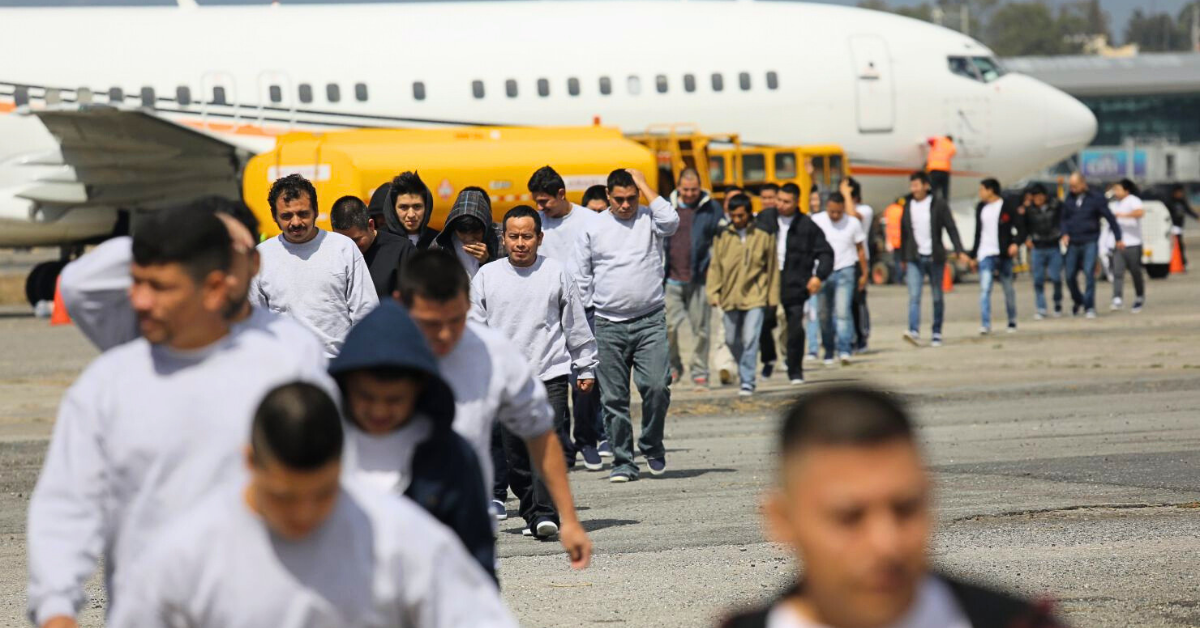
- 7th Circuit paused a district judge's blanket release of hundreds detained during Chicago-area immigration sweeps.
- Court upheld key consent decree limits on warrantless arrests and extended it through February.
- Immigrant advocates praised the decree's survival but continue legal fights for individual case reviews and releases.
CHICAGO — In a closely watched immigration case, a federal appeals court has stepped in to block the immediate release of hundreds of immigrants who were detained during a major crackdown in the Chicago area.
The decision came down Thursday in a 2-1 ruling from the 7th U.S. Circuit Court of Appeals, putting a pause on a lower court’s order while upholding key parts of an agreement meant to curb certain warrantless arrests by federal agents.
The ruling stems from ongoing disputes over how U.S. Immigration and Customs Enforcement (ICE) handles arrests in the region.
The FrankNez Media Daily Briefing newsletter provides all the news you need to start your day. Sign up here.
– FNM
Back in 2022, immigrant rights groups reached a consent decree with the federal government after suing over sweeps conducted in 2018.
That agreement sets strict rules for when ICE can make arrests without warrants, especially for people who aren’t the primary targets of an operation.
It covers six states under the Chicago ICE field office: Illinois, Indiana, Kansas, Missouri, Kentucky, and Wisconsin.
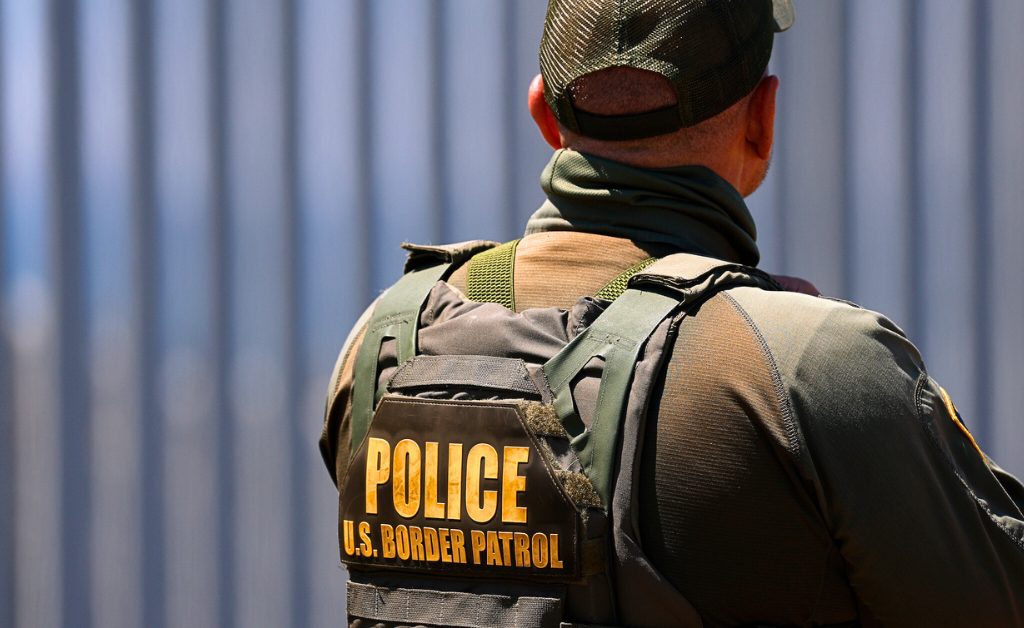
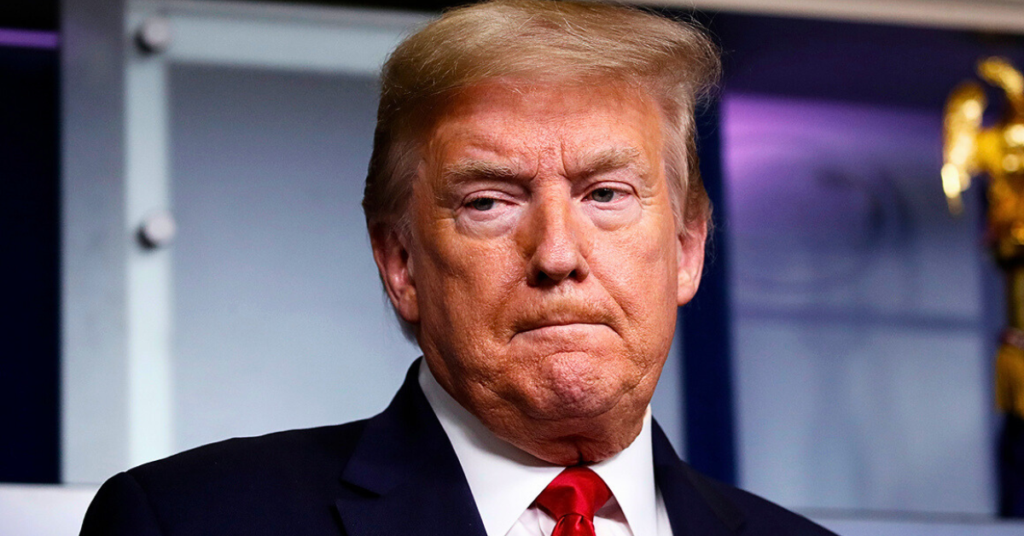
Fast forward to this year, and the decree has been front and center amid the Trump administration’s “Operation Midway Blitz,” a large-scale immigration enforcement effort that’s resulted in more than 4,000 arrests in the Chicago area alone.
Many of those arrests happened over the summer and into the fall, targeting immigrants in workplaces, communities, and daily routines.
Where It All Started
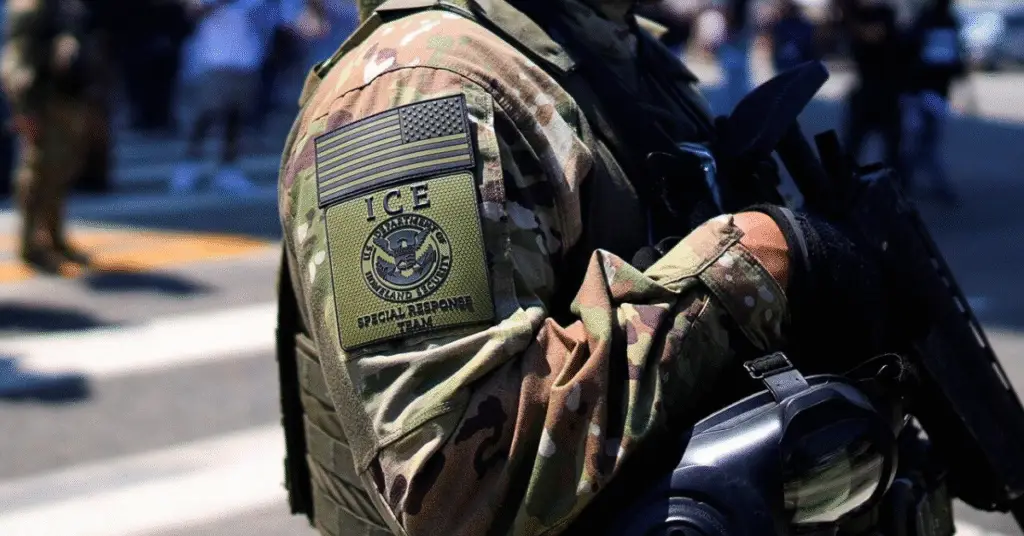
Last month, U.S. District Judge Jeffrey Cummings ruled that the government had violated the consent decree.
He ordered the release on bond of more than 600 detainees, saying the violations were serious enough to warrant it.
Attorneys for the immigrants say roughly 450 people are still in custody as a result of those arrests.
But the appeals court disagreed with the blanket release approach.
In their opinion, the judges wrote that the consent decree “carefully maps out what the district judge can or cannot order” to balance enforcement needs with public safety.
They argued Cummings went too far by ordering releases without looking at each person’s case individually.
At the same time, the court called out the Trump administration for wrongly labeling all these arrestees as subject to mandatory detention.
On the brighter side for immigrant advocates, the appeals court did extend the consent decree until February.
That means ICE still has to follow rules like providing documentation for arrests—something similar courts in places like Colorado have enforced too.
Activists Fight for Transparency in Some Cases
Keren Zwick from the National Immigrant Justice Center, one of the groups behind the original lawsuit, reacted to the mixed ruling.
“We will work tirelessly to ensure that people who were unlawfully arrested will be able to return to their families and communities as soon as possible,” she said.
Advocates are disappointed about the blocked releases but relieved the decree lives on, especially since they’ve gathered evidence suggesting hundreds more arrests may have broken the rules.
Lawyers have been pushing hard for fast resolutions, warning that many detainees are facing deportation without fully understanding their legal options.
A message seeking comment from the Department of Homeland Security went unanswered Thursday.
How and Why We Got Here
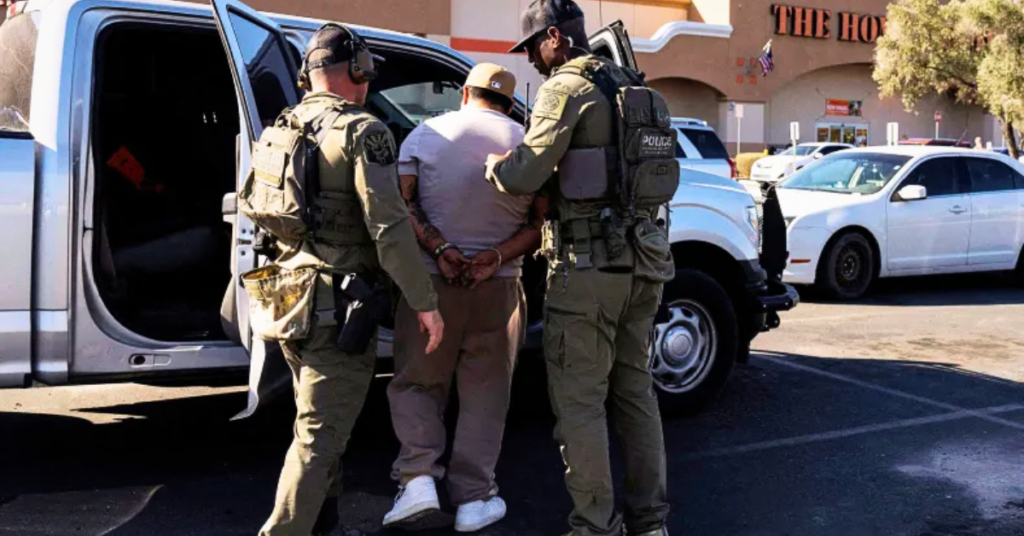
This isn’t the first courtroom clash over the Chicago-area crackdown.
Earlier, Judge Cummings and other federal judges in the city raised alarms about arrest tactics and detention conditions.
For instance, one judge ordered improvements at the Broadview ICE facility after hearing about overcrowding and lack of basics like bedding and food.
Another issued restrictions on agents’ use of tear gas and other crowd-control tools during protests.
The operation itself drew intense scrutiny from the start.
Reports described federal agents making arrests at daycares, home improvement stores, and job sites, often without local police cooperation due to Chicago’s sanctuary policies.
Protests flared up outside detention centers, sometimes turning tense with clashes involving tear gas.
Attorneys say they’ve reviewed thousands of cases and believe many arrests skipped required probable cause checks or documentation.
The government, meanwhile, has defended the operation as necessary enforcement and even sued Illinois and Chicago over laws they say hinder federal efforts.
So, What’s Next?
With the consent decree extended, more challenges could come as advocates keep collecting data on potential violations.
The appeals court’s pause on releases means those still detained will stay put for now, unless individual cases get reviewed.
Immigrant rights groups vow to keep fighting for reviews and releases where arrests didn’t follow the rules.
This case highlights the ongoing tug-of-war between federal immigration enforcement and court oversight, especially in Democratic strongholds like Chicago.
Similar limits on warrantless arrests have popped up in other states, suggesting this debate isn’t going away anytime soon.
For more on this developing story, set FrankNez Media as a preferred source below.
Also Read: Officials Blow Whistle on Illegal Orders Given by the President
Contact | About | Home | Newsletter
Google is changing how it surfaces content. Prioritize our high-quality news and industry-leading coverage in search results by setting FrankNez Media as a preferred source.