

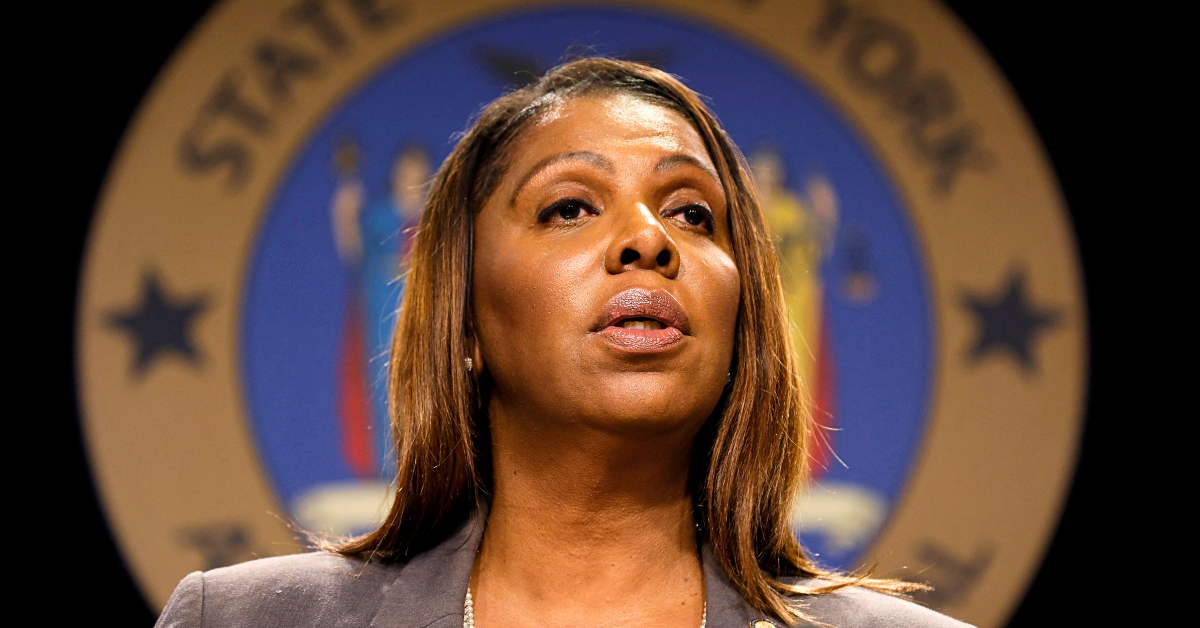
- Virginia grand jury declined to indict Letitia James on mortgage fraud allegations involving a Norfolk home purchase.
- Federal judge previously dismissed original case due to unlawful appointment of the prosecutor, undermining the prosecution.
- Decision fuels national political debate over prosecutorial power, evidence strength, and potential partisan motives.
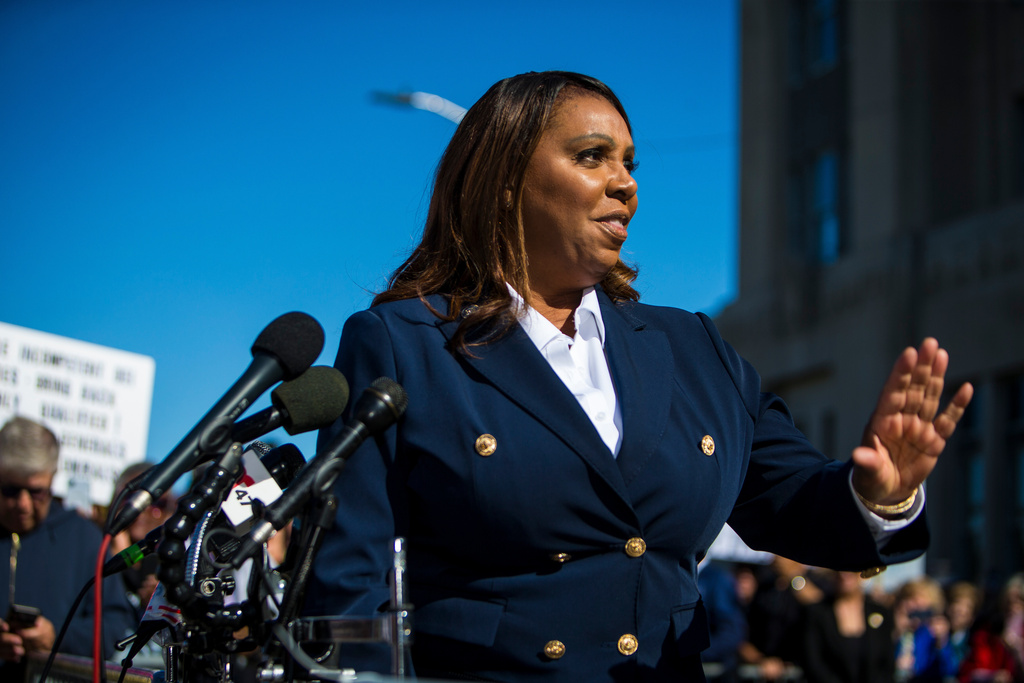
In a development that’s sure to stir up more debate in legal and political circles, a grand jury in Virginia has once again turned down efforts to indict New York Attorney General Letitia James on allegations tied to mortgage fraud.
This latest decision, handed down on Thursday, follows closely on the heels of a federal judge tossing out the original case against her just last month.
For those following the twists and turns of this story, it’s worth diving into the details.
The initial indictment against James stemmed from claims that she committed bank fraud and made a false statement to a financial institution when purchasing a home in Norfolk, Virginia.
Prosecutors alleged that the loan she used for the property explicitly barred it from being turned into a rental investment, a move they said saved her roughly $18,933 over the loan’s lifespan.
James, for her part, entered a not guilty plea to those charges.
The First Case Falls Apart
Let’s back up a bit to understand how we got here.
The original prosecution was led by Lindsey Halligan, a federal prosecutor appointed by Attorney General Pam Bondi.
But in a ruling that caught many off guard, a federal judge dismissed the case entirely, citing that Halligan’s appointment wasn’t lawful.
That dismissal opened the door for this second attempt, where different prosecutors presented the case to a grand jury in Norfolk.
News of the grand jury’s refusal to indict broke first through reports from CNN and NBC News, both of which leaned on sources familiar with the proceedings.
It’s a reminder of how quickly stories like this can unfold in today’s media landscape, with major outlets racing to confirm details from insiders.
Why This Matters in the Bigger Picture
James, a prominent Democrat who’s made headlines for her aggressive pursuits against high-profile figures like former President Donald Trump, finds herself on the other side of the legal fence here.
This isn’t just a local Virginia matter—it’s got national implications, especially given the political undertones.
Critics might see this as payback or political theater, while supporters argue it’s about holding everyone accountable under the law.
Digging deeper, the allegations center on that Norfolk property purchase.
The loan terms were clear: no renting it out as an investment. Prosecutors claimed James’s actions violated that, leading to those potential savings.
But with two strikes against the indictment now, questions linger about the strength of the evidence or perhaps procedural hurdles that keep derailing the case.
What Happens Next?
As of now, there’s no immediate word on whether prosecutors will try a third time or if this puts the matter to rest.
James’s office hasn’t issued a public statement in the immediate aftermath, but given her track record, expect some commentary soon.
This saga highlights the complexities of cross-state legal battles and how appointments in the justice system can make or break a case.
In the end, this non-indictment keeps the spotlight on James, but it also raises broader questions about prosecutorial power and fairness in the system.
Stay tuned; in politics and law, stories like this rarely end quietly.
Also Read: A DOJ Whistleblower Now Makes Revelation That Undermines the Judicial System’s Integrity