

- Federal judge Paula Xinis ordered the immediate release of Kilmar Abrego Garcia, finding repeated unlawful detentions and botched deportation attempts.
- Court rejected government plans to deport him to multiple nonviable countries and highlighted Costa Rica's firm offer of residence and refugee status.
- Decision criticized as judicial activism by DHS, while advocates call it accountability amid broader concerns about due process and immigration enforcement.
In a sharp rebuke to federal immigration authorities, a Maryland federal judge has mandated the immediate release of Kilmar Abrego Garcia, a Salvadoran man whose repeated detentions and botched deportations have become a flashpoint in the ongoing national debate over U.S. immigration enforcement.
The ruling, issued Thursday, underscores what the judge called a pattern of “unlawful” government actions in a case that has stretched across continents and courthouses, drawing scrutiny from civil rights advocates and even foreign governments.
U.S. District Judge Paula Xinis, in a detailed 31-page order, declared that “since Abrego Garcia’s wrongful detention in El Salvador, he has been re-detained, again without lawful authority.”
The FrankNez Media Daily Briefing newsletter provides all the news you need to start your day. Sign up here.
– FNM
“The circumstances of Abrego Garcia’s detention since he was released from criminal custody cannot be squared with the ‘basic purpose’ of holding him to effectuate removal,” Xinis wrote, emphasizing that no valid removal order exists to justify his continued custody.
Details of the Decision

The decision caps a tumultuous year for Abrego Garcia, 28, who has lived in the U.S. for nearly a decade with his wife and two young children in Maryland.
His ordeal began in earnest last March, when he was deported to El Salvador’s notorious CECOT mega-prison despite a 2019 court order protecting him from removal to that country over fears of persecution.
The Trump administration had labeled him a member of the MS-13 gang—a claim he has vehemently denied—but the deportation ignited a firestorm of legal challenges and media attention.
Brought back to the U.S. in June to face human smuggling charges in Tennessee—to which he has pleaded not guilty—Abrego Garcia was briefly released into his brother’s custody in Maryland.
But immigration officials detained him again shortly after, transferring him to a facility in Pennsylvania.
There, the government pushed aggressively to deport him elsewhere, first proposing Liberia in West Africa last month.
Officials sought to lift a prior ban on his removal there, citing assurances from the Liberian government that he would face no persecution or torture.
But Xinis rejected that bid, paving the way for Thursday’s habeas corpus victory.
The judge’s order wasn’t just a procedural win; it was laced with pointed criticism of what she described as the government’s “calculated effort” to sideline viable options.
Xinis noted that Costa Rica—where Abrego Garcia had expressed a strong preference to relocate—had repeatedly affirmed its willingness to grant him residence and refugee status.
“Respondents’ calculated effort to take Costa Rica ‘off the table’ backfired.
Within 24 hours, Costa Rica, through Minister Zamora Cordero, communicated to multiple news sources that its offer to grant Abrego Garcia residence and refugee status is, and always has been, firm, unwavering, and unconditional,” she wrote.
She further highlighted the futility of the administration’s other proposed destinations: Uganda, Eswatini, and Ghana.
“Respondents serially ‘notified’ Abrego Garcia — while he sat in ICE custody — of his expulsion to Uganda, then Eswatini, then Ghana; but none of these countries were ever viable options,” Xinis stated.
Release from ICE Detention

The ruling directs the government to inform Abrego Garcia of his release details and notify the court by 5 p.m. ET today.
Upon freedom, he’ll report to the U.S. Pretrial Services Office to resume conditions from his criminal case.
The Department of Homeland Security fired back swiftly.
Spokesperson Tricia McLaughlin posted on social media: “This is naked judicial activism by an Obama appointed judge. This order lacks any valid legal basis and we will continue to fight this tooth and nail in the courts.”
The statement reflects the administration’s broader frustration with court interventions in its immigration crackdown, which has seen thousands deported amid allegations of gang ties.
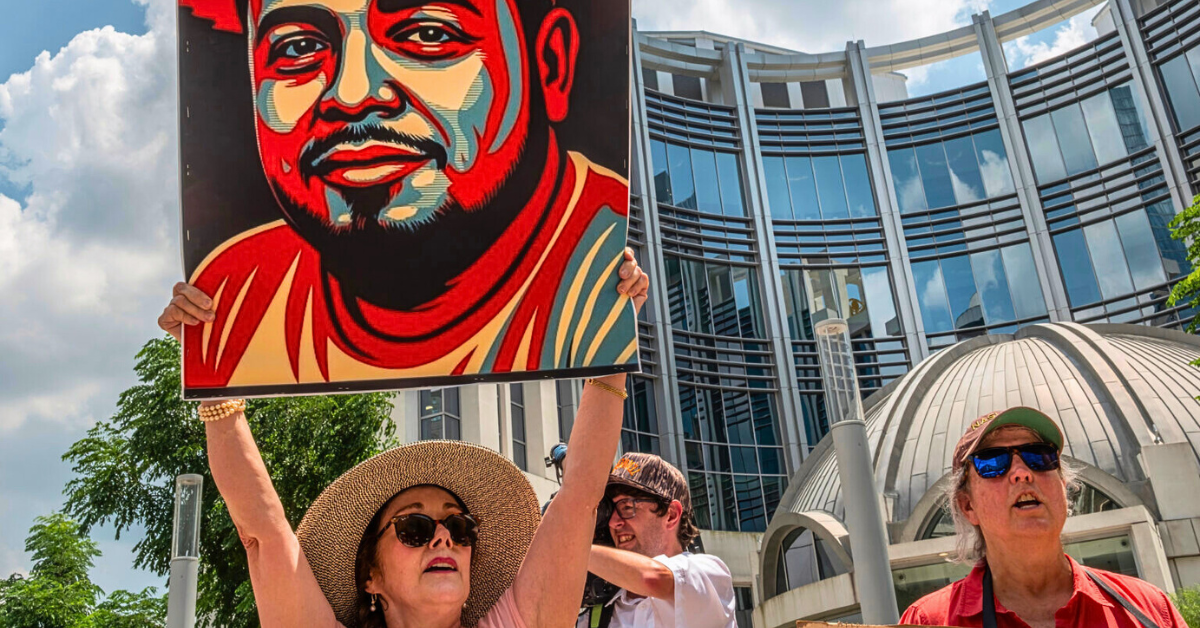
Abrego Garcia’s supporters, including family and immigration advocates, hailed the decision as a rare moment of accountability.
“The history of Abrego Garcia’s case is as well known as it is extraordinary,” Xinis acknowledged in her opinion, a nod to the saga’s outsized profile.
In August, she had already blocked any removal until his habeas challenge played out, a move that bought him time amid escalating threats of deportation.
This case isn’t isolated—it’s part of a larger pattern that’s fueling calls for reform.
Just last week, a separate federal ruling in Texas halted the deportation of a group of Venezuelan asylum seekers, citing similar due process violations under the Trump administration’s accelerated removal policies.
And in California, ongoing lawsuits challenge the use of unverified gang databases to fast-track removals, echoing the unsubstantiated MS-13 label slapped on Abrego Garcia.
Civil rights groups like the ACLU, which has been involved in Abrego Garcia’s legal battles since early in the year, point to these incidents as evidence of systemic overreach.
The ACLU’s Immigrants’ Rights Project has long argued that such cases highlight the dangers of unchecked executive power in immigration enforcement, with Deputy Director Lee Gelernt previously warning in related proceedings that the administration’s tactics risk broader abuses of due process.

Whistleblower Case Shows Says Court Pushed to Make False Statements
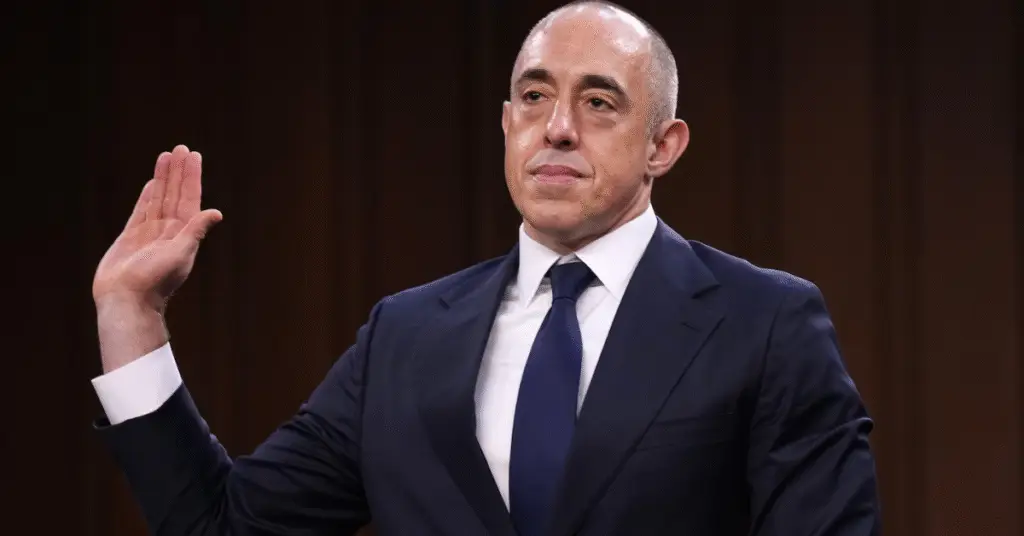
Erez Reuveni, who spent 15 years at the DOJ, was fired for refusing to push false statements ordered by his superiors.
Abrego Garcia’s case became such an embarrassment to the United States, they just wanted it swept under the rug.
Instead of fixing it, Reuveni’s superiors pushed him to argue in court that Garcia was an MS-13 gang member and terrorist, which Reuveni knew was false.
“I responded up the chain of command, no way. That is not correct,” he said.
“That is not factually correct. It is not legally correct. That is a lie. And I cannot sign my name to that brief.”
For refusing, he was fired, ending his long DOJ career, and he filed a whistleblower complaint in June.
What Happens Now?
As Abrego Garcia awaits his release—potentially as early as today—his story serves as a stark reminder of the human stakes in America’s immigration wars.
Will this order stick, or will appeals drag it back into the courts?
For now, one family’s nightmare edges toward relief, but the fight is far from over.
With trials pending and deportations looming for so many others, the coming months could redefine the boundaries of justice at the border.
Also Read: Officials Blow Whistle on Illegal Orders Given by the President
Contact | About | Home | Newsletter
Google is changing how it surfaces content. Prioritize our high-quality news and industry-leading coverage in search results by setting FrankNez Media as a preferred source.