

- U.S. District Judge Rodney Smith ordered nearly all 2005–2007 grand jury records on Epstein and Ghislaine Maxwell to be unsealed.
- The ruling follows a new law mandating DOJ release of Epstein-related files, potentially exposing why the early investigation stalled.
In a move that’s sure to reignite public scrutiny over one of the most infamous scandals in recent history, a federal judge in Florida has ordered the unsealing of grand jury documents tied to an early investigation into Jeffrey Epstein and his associate Ghislaine Maxwell.
This decision could finally shed light on the murky details of a probe that fizzled out nearly two decades ago, leaving many questions unanswered about how the late financier evaded serious consequences for so long.
The ruling comes from U.S. District Judge Rodney Smith, who was appointed by President Donald Trump.
The FrankNez Media Daily Briefing newsletter provides all the news you need to start your day. Sign up here.
Smith has directed the Justice Department to release nearly all records from the federal investigation into Epstein that spanned from 2005 to 2007.
What’s particularly notable here is that this order sidesteps the usual strict rules that keep grand jury materials under wraps, which are designed to protect the privacy and integrity of such proceedings.
Why Now? A New Law Changes the Game

For those who’ve followed the Epstein saga, this might feel like a long-overdue breakthrough.
Judge Smith didn’t pull this out of thin air—his decision hinges on a recent piece of legislation that Trump himself signed into law last month, albeit reluctantly.
After initially trying to block it, Trump begrudgingly put pen to paper on a bill that mandates the attorney general to publicly release “all unclassified records, documents, communications, and investigative materials in the possession of the Department of Justice” related to Epstein.
That law sets a firm deadline of December 19 for much of these files to hit the public domain, which essentially cleared the path for Smith to revisit his earlier stance.
Back when the request first came up, the judge had turned it down, pointing to existing laws that barred the disclosure.
But with this new mandate in place, he’s flipped the script, demanding the documents be made available without the typical hurdles.
It’s worth pausing here to consider the broader context.
Epstein, the convicted sex offender who died by suicide in 2019 while awaiting trial on federal charges, had long been accused of running a vast sex-trafficking network involving underage girls.
The 2005-2007 probe was one of the first major federal looks into his activities, but it ended without the kind of aggressive prosecution many felt it deserved.
Instead, Epstein struck a controversial non-prosecution agreement in 2008 that allowed him to plead guilty to lesser state charges in Florida, serving just 13 months in a work-release setup that drew widespread criticism.
Ghislaine Maxwell, Epstein’s former girlfriend and confidante, was later convicted in 2021 on charges related to recruiting and grooming victims for him.
She’s currently serving a 20-year sentence.
These newly ordered documents could reveal more about why the early investigation stalled and who might have been involved—or protected—along the way.
What Happens Next? No Timeline Yet, But Eyes Are Watching


Interestingly, Judge Smith hasn’t slapped a specific deadline on the Justice Department for handing over these materials, beyond what’s already outlined in the new law.
That means we could see some releases as early as mid-December, but it’s unclear how comprehensive they’ll be right out of the gate.
The order applies to “nearly all” records, which suggests there might be some redactions for sensitive info, though details on that front are still fuzzy.
This development is bound to fuel ongoing debates about accountability in high-profile cases involving the wealthy and powerful.
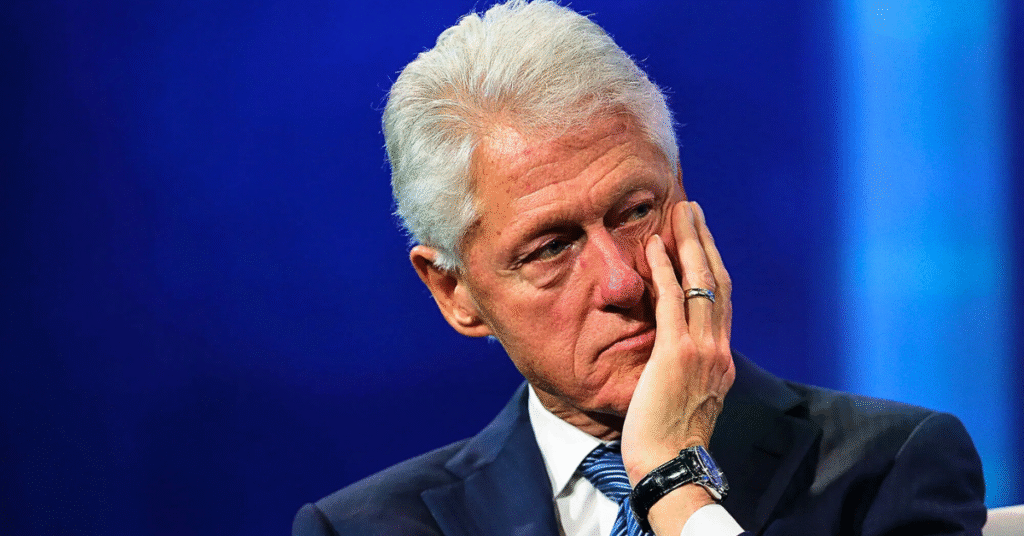
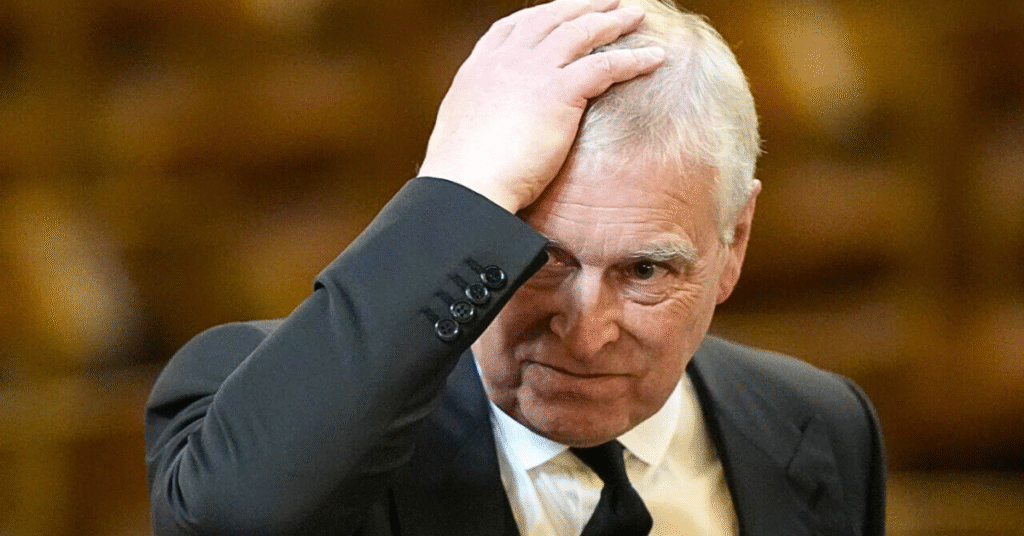
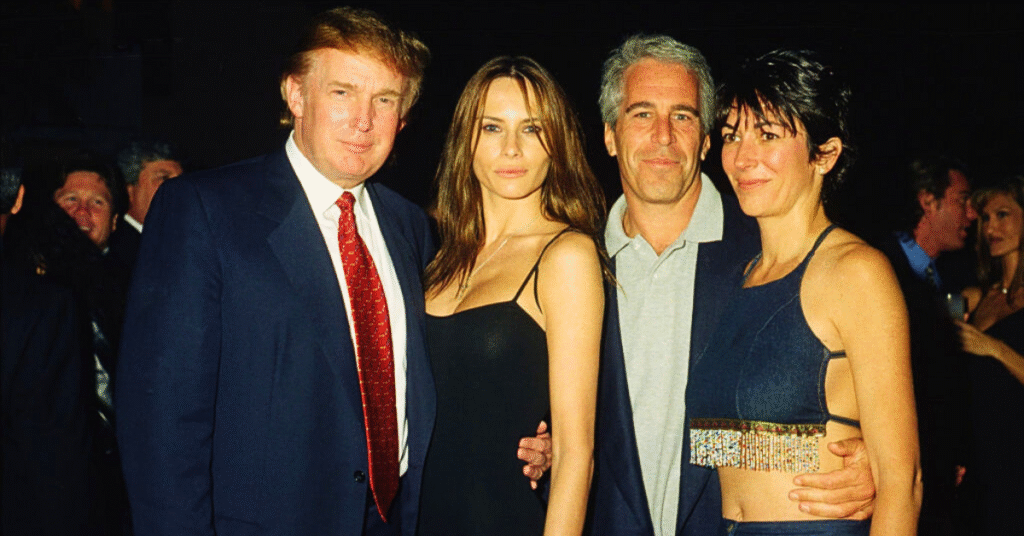
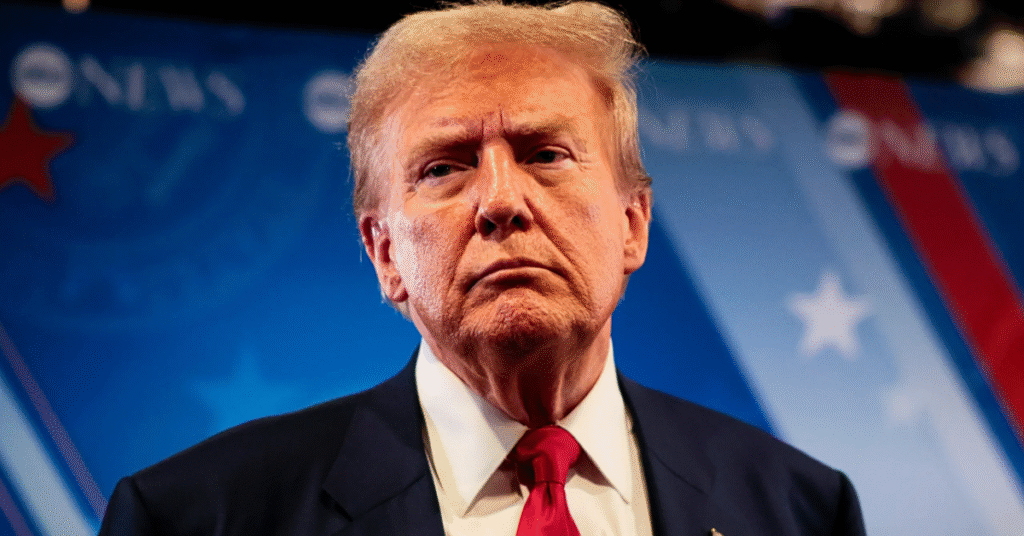
Epstein’s connections to figures like Bill Clinton, Prince Andrew, and yes, Donald Trump himself, have kept the story alive in the public eye.
Will these documents uncover new names, overlooked evidence, or signs of interference?
That’s the million-dollar question that’s got journalists, victims’ advocates, and conspiracy theorists alike on the edge of their seats.
The Bigger Picture: Transparency in the Epstein Era
Stepping back, this ruling underscores a growing push for transparency around Epstein’s crimes.
Over the years, bits and pieces have trickled out—court filings, victim testimonies, and media investigations—but the full story of that initial federal probe has remained largely shrouded.
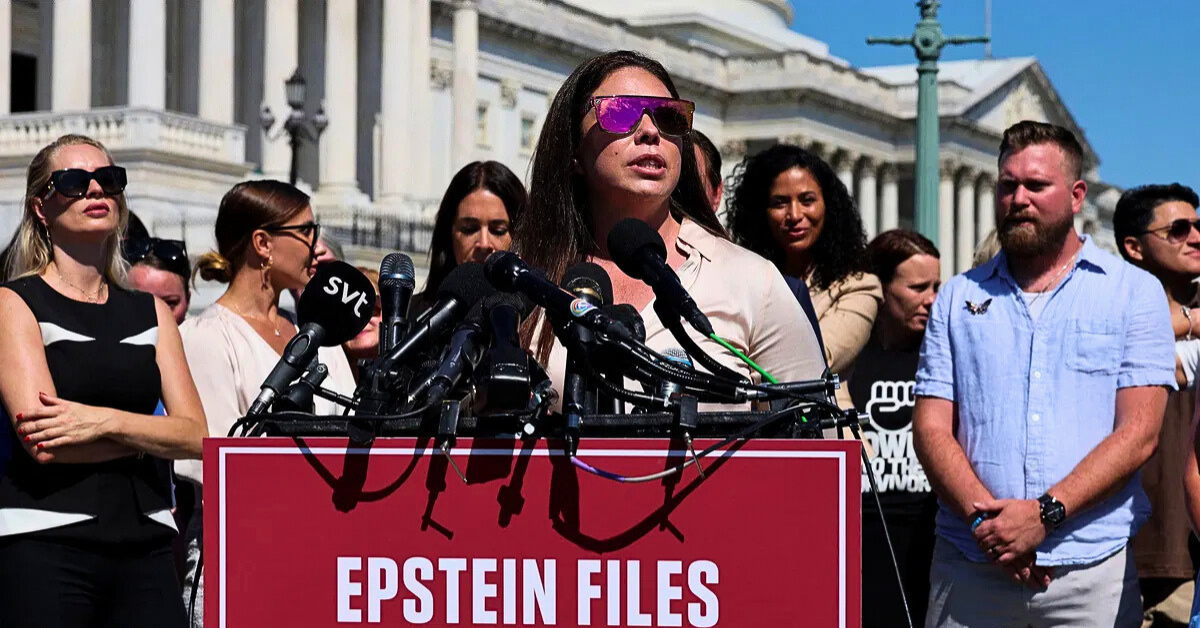
Victims and their lawyers have argued for years that releasing these grand jury materials is crucial for understanding systemic failures in the justice system.
Remember, this isn’t the first time Epstein-related docs have been unsealed.
Earlier batches revealed flight logs from his private jet (the infamous “Lolita Express”) and depositions that painted a damning picture of his operations.
But grand jury stuff? That’s next-level sensitive, often including witness statements and evidence that never made it to trial.
As we wait for more, it’s a reminder of how these cases don’t just fade away.
They evolve, pulling in new layers of legal wrangling and public interest.
If you’re like us, you’ll be checking back for updates—because this story, like Epstein’s shadow, seems to linger no matter how much time passes.
This is still a developing situation, and we’ll be keeping a close eye on any new revelations as they emerge.
Also Read: A DOJ Whistleblower Now Makes Revelation That Undermines the Judicial System’s Integrity