


- 7-Eleven will close over 500 underperforming U.S. stores by end of 2025 while opening modern, food-focused locations.
- Shift to prepared foods and tech upgrades aims to replace fuel-driven traffic as customers visit more frequently for meals.
- Closures reflect industrywide pressure from inflation, changing habits, EVs, and competitors doubling down on fresh food offerings.
In an era where the corner convenience store is shedding its image as a quick pit stop for gas and cigarettes, 7-Eleven is making a dramatic move to stay relevant.
The iconic retail chain, a staple for late-night Slurpees and Big Gulps, announced plans to close more than 500 underperforming U.S. locations by the end of 2025—a clear signal of a broader industry shakeup driven by evolving shopper habits and economic headwinds.
But amid the closures, the company is doubling down on a “food-forward” future, with ambitions to open 1,300 modern stores by 2030.
The FrankNez Media Daily Briefing newsletter provides all the news you need to start your day. Sign up here.
– FNM
It’s a high-stakes remodel for an industry that’s outgrown its greasy roller-dog roots.
Industry Numbers Leading to 7-Eleven Closures
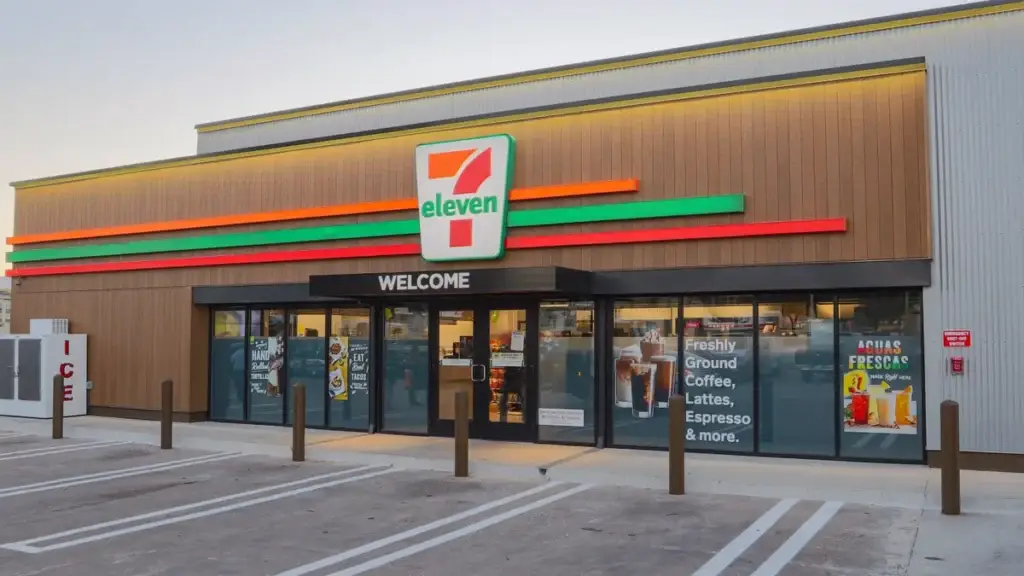
The news comes as convenience stores nationwide grapple with a seismic shift.
Once defined by fuel pumps drawing in drivers for cheap snacks and smokes, today’s c-stores are chasing foot traffic with gourmet grab-and-go meals, craft beverages, and seamless tech integrations.
According to the National Association of Convenience Stores’ (NACS) 2023 State of the Industry Report, prepared foods sales jumped 12% year-over-year, underscoring how inside sales are eclipsing the pump.
NielsenIQ’s “The 2024 State of Convenience” report echoes this, noting that shoppers are flocking to stores for broader varieties of higher-quality eats and drinks, not just a tank of gas.
Richard Garcia, Shell’s Global Manager of Convenience Retailing Operations, captured the transformation perfectly in the NIQ report:
“The historical model for convenience, particularly in the U.S., is that you use fuel to attract people to your location.
That is absolutely changing to the store becoming the destination, and while they’re there, you hope they might buy fuel. Now it’s already happened.”
He pointed out a stark contrast in habits: The average driver fills up just 2 to 2.3 times a month, but a typical c-store customer swings by more than three times a week.
With electric vehicles nibbling at fuel’s dominance, the math is clear—stores must stand on their own as must-visit spots.
Details of 7-Eleven Store Closures
For 7-Eleven, the pivot isn’t just philosophical; it’s financial survival.
The company, owned by Japan’s Seven & i Holdings, shuttered 444 U.S. stores earlier this year and closed another 207 in the final quarter of fiscal 2024 while opening only 25 new ones. In its second-quarter earnings release, the parent company laid bare the pressures:
“The North American economy showed signs of slowing down, with personal consumption also indicating a tendency to curb spending, particularly among low-income households, due to growing concerns about rising prices.”
Inflation has jacked up raw material costs, squeezing gross profit margins and driving down overall customer traffic.
Existing store sales dipped compared to the prior year, even as per-customer spending ticked up thanks to value-driven fresh food promotions.
Yet, 7-Eleven isn’t retreating—it’s retooling.
The company outlined four key priorities in its earnings: a “Distinctive Fresh Food Offering,” “Store Network Enhancement,” “Unleashing 7NOW’s full potential,” and tighter “OSG&A Control across the Value Chain” to combat those rising costs.
Translation? More emphasis on meals that compete with fast-casual spots, smarter site selection, amped-up delivery via the 7NOW app, and ruthless efficiency.
Major Developments Coming to 7-Eleven
By 2027, expect 500 new “food-forward” outposts with expanded menus heavy on hot foods, grab-and-go salads, bakery bites, and even Japanese imports like the viral egg salad sandwich that’s a hit back home.
Tech is getting a glow-up too.
7-Eleven plans to roll out its Gulp Radio in-store audio network to thousands of locations, blending curated playlists with targeted ads to keep shoppers lingering.
The mobile app is in line for upgrades, tightening integration with the 7Rewards loyalty program and streamlining 7NOW orders.
And across thousands of existing stores, look for espresso machines, cappuccino stations, and seasonal candy swaps for year-round treats—all aimed at turning a 30-second transaction into a 5-minute feast.
This isn’t 7-Eleven’s story alone.
The convenience sector, with over 150,000 U.S. outposts, is in full reinvention mode.
Chains like Wawa and RaceTrac are luring crowds with fresh sandwiches that rival drive-thru burgers, while self-checkout kiosks at Circle K make grabbing a coffee feel futuristic.
But the road ahead isn’t all smooth: As EV adoption accelerates, fuel’s role shrinks, forcing operators to rethink real estate and remodels.

Echoes Across the Aisle: How Competitors Are Adapting
7-Eleven’s moves mirror a ripple effect hitting rivals hard.
Last month, Casey’s General Stores revealed plans to shutter 20 underperformers in the Midwest, citing similar traffic slumps amid inflation-weary shoppers.
Meanwhile, Alimentation Couche-Tard’s Circle K empire is pouring billions into food tech, launching AI-driven menu personalization pilots in select markets.
And in a twist of international flair, Japan’s FamilyMart—another Seven & i sibling—is testing U.S. pop-ups with onigiri and matcha lattes, hinting at cross-pollination with 7-Eleven’s Japanese-inspired push.
On the economic front, broader retail woes add context.
Walmart just reported softer holiday guidance due to the same low-income squeeze, while Dollar General’s aggressive store pruning (over 400 closures announced in October) underscores how even discounters are culling weak links.
For c-stores, though, the opportunity lies in that prepared-food boom: NIQ data shows these items not only boost trips but also average basket sizes, a lifeline as tobacco sales flatline under health campaigns.
What Happens Next?
As 2025 unfolds, 7-Eleven’s bet on becoming a “convenience store with focus on food” tailored to local tastes could redefine the category—or fizzle if consumers keep pinching pennies.
One thing’s certain: The days of the store as an afterthought to the pump are over.
Shoppers aren’t just fueling up anymore; they’re fueling their day.
And in this new landscape, adaptation isn’t optional—it’s the only way to ring up the next sale.
What are your thoughts on the latest 7-Eleven store closures?
Also Read: A Home Depot Rival Files an Unexpected Chapter 11 Bankruptcy
Contact | About | Home | Newsletter
Google is changing how it surfaces content. Prioritize our high-quality news and industry-leading coverage in search results by setting FrankNez Media as a preferred source.