


- Blue-collar employment is declining sharply under Trump's second term, with manufacturing, transportation, and warehousing losing significant jobs.
- Policy choices—tariffs, tighter immigration rules—are worsening labor shortages, investment hesitation, and consumer demand, hampering blue-collar recovery.
- Automation and long-term structural shifts mean higher output with fewer workers; promised job revival has failed to materialize.
It’s easy to get swept up in the headlines about AI gobbling up white-collar jobs these days.
Amazon’s laying off thousands, Wall Street’s buzzing with fears of algorithms writing their own pink slips, and everyone’s talking about the next big tech disruption.
But while Silicon Valley frets over the future, there’s a slower-burning story playing out in factories, warehouses, and construction sites across the country—one that’s hitting the heart of Trump’s base hardest.
The FrankNez Media Daily Briefing newsletter provides all the news you need to start your day. Sign up here.
Blue-collar jobs, the kind that built the American Dream for generations, are quietly crumbling.
And the numbers don’t lie.
This isn’t some abstract worry; it’s happening now, in real time, under the second Trump administration.
Back in 2017, Trump rode into office on a wave of pledges to bring back manufacturing glory days, to make construction boom again, and to shield workers from the ravages of globalization.
Fast forward to late 2025, and those promises feel like echoes from another era.
Details of the Economic Woes Today

The White House is still spinning a positive line, pointing to real wage gains and a bump in manufacturing output as proof of progress.
“Reviving the blue-collar boom that Americans experienced during the first Trump term has been a day one priority for the administration,” a White House spokesperson told Newsweek.
But dig into the latest jobs report from the Labor Department—finally released in September after delays—and the picture turns grim.
Overall hiring ticked up a bit, which gave the president a much-needed PR win.
Yet for the blue-collar sectors that matter most—manufacturing, mining and logging, transportation and warehousing, utilities, and construction—the news was anything but upbeat.
Only construction managed a modest gain of 19,000 jobs that month.
That wasn’t nearly enough to cushion the blows elsewhere: transportation and warehousing shed 25,300 positions, and manufacturing lost another 6,000.
Zoom out to the year as a whole, and it’s even starker. Payrolls in these core blue-collar industries are shrinking faster than they have since the pandemic’s early chaos.
Year-over-year growth has flipped negative for the first time in years, accelerating a downward slide that started well before 2025 but seems to have picked up steam under the current policies.
Experts Weigh In
Experts who’ve spent decades tracking these trends aren’t mincing words.
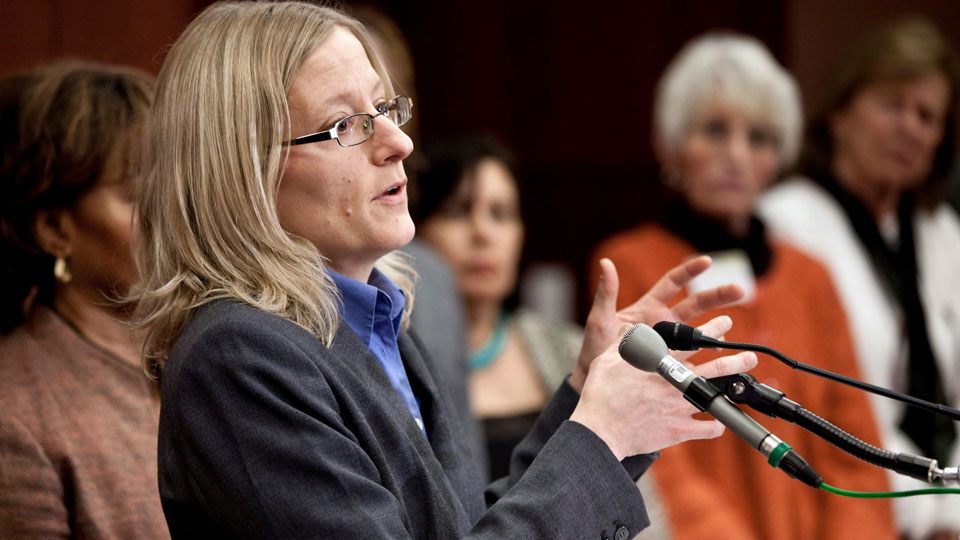
Heidi Shierholz, who served as chief economist at the Department of Labor under President Obama, laid it out plainly: “Between April and September, goods-producing industries (manufacturing, construction, logging, mining), lost 72,000 jobs, with most of those losses (58,000) in manufacturing.”
She didn’t stop there, noting that the broader services sector—parts of which overlap with blue-collar work—is “limping along” almost entirely on the back of health care hires.
It’s a band-aid on a broken system, and it leaves little room for optimism.
Over in Europe, University of Zurich labor economist David Dorn sees similar red flags, especially in construction.
“This sector is highly sensitive to broader economic deceleration,” he explained, tying the slowdown directly to the administration’s tightening grip on immigration.
Foreign-born workers, who make up a huge chunk of the labor pool in these fields, are facing steeper barriers to entry.
Dorn’s take? It’s “likely constraining labor supply” at exactly the wrong moment.
As for manufacturing, he added, it’s “difficult to isolate” the impact of Trump’s tariffs, but he’s skeptical they’ve delivered the jobs bonanza promised.
“Generated any sustained gains?” he asked rhetorically—no, not really.
Then there’s Dean Baker, the co-founder of the Center for Economic and Policy Research, who’s long been a sharp critic of protectionist trade moves.
To him, the tariffs aren’t just missing the mark; they’re actively backfiring.
“Companies are reluctant to invest in a context where they have no idea what tariffs will be in place six months from now, much less three to five years from now,” Baker said.
And it’s not just uncertainty—it’s the direct hit to everyday spending power.
“Also, tariffs pull money out of consumers’ pockets, reducing demand.”
That hesitation ripples through supply chains, making bosses wary of hiring when sales could tank any day.
Why This Economic Trend Has Been Growing
You might wonder: Is this a blip, or something deeper? Pull back the lens a bit further, and it’s clear this isn’t a 2025 invention.
Blue-collar employment has been eroding for decades, chipped away by offshoring, automation, and the relentless march toward a service-driven economy.
Manufacturing’s share of total jobs has been sliding for over 50 years, Baker points out, as demand shifts to health care, education, and other fields that don’t require hard hats or assembly lines.
Trump’s policies—on trade, borders, or otherwise—aren’t inventing these headwinds; they’re just pouring fuel on the fire.
Take manufacturing output, for instance.
Here’s the twist: Even as jobs vanish, production numbers are actually up this year.
Princeton economist Orley Ashenfelter calls it a “revelatory paradox”—fewer workers churning out more goods, thanks to machines that never sleep.
“This change is probably inevitable. It is just too easy to mechanize in manufacturing,” he said.
Those “good old-school jobs are not coming back,” full stop.
It’s a gut punch for communities that pinned their hopes on a revival, but it’s the cold math of progress.
So where does that leave blue-collar America?
Baker doesn’t sugarcoat it: “Trump is doing nothing to address these issues.”
And in a rare moment of concession from a critic, he admits, “It is not clear what he could do.” Retraining programs? Subsidies for automation-resistant industries? Universal basic income pilots?
The ideas float around think tanks, but they’ve yet to break through the policy logjam.
What Happens Next?
As we head into the holiday season, with families gathering around tables in rust-belt towns and rural outposts, this story feels personal.
It’s the welder wondering if next month’s shift is his last, the truck driver idling longer between hauls, the builder sidelined by stalled projects.
The white-collar world might be louder about its woes, but for these workers, the collapse is real, tangible, and unfolding shift by shift.
If the administration’s “day one priority” is going to mean anything, now’s the time to prove it—before the losses pile up too high to ignore.
Also Read: A Popular Bank is Now Quietly Closing 51 Branches