

- iRobot filed pre-packaged Chapter 11 on Dec 16, 2025, allowing a structured transfer of control with minimal disruption to customers.
- Picea Robotics will buy iRobot, canceling about $264 million in debt and taking 100% ownership, wiping out shareholders.
- Roomba service, app functionality, and product availability are expected to continue unchanged for users during restructuring.
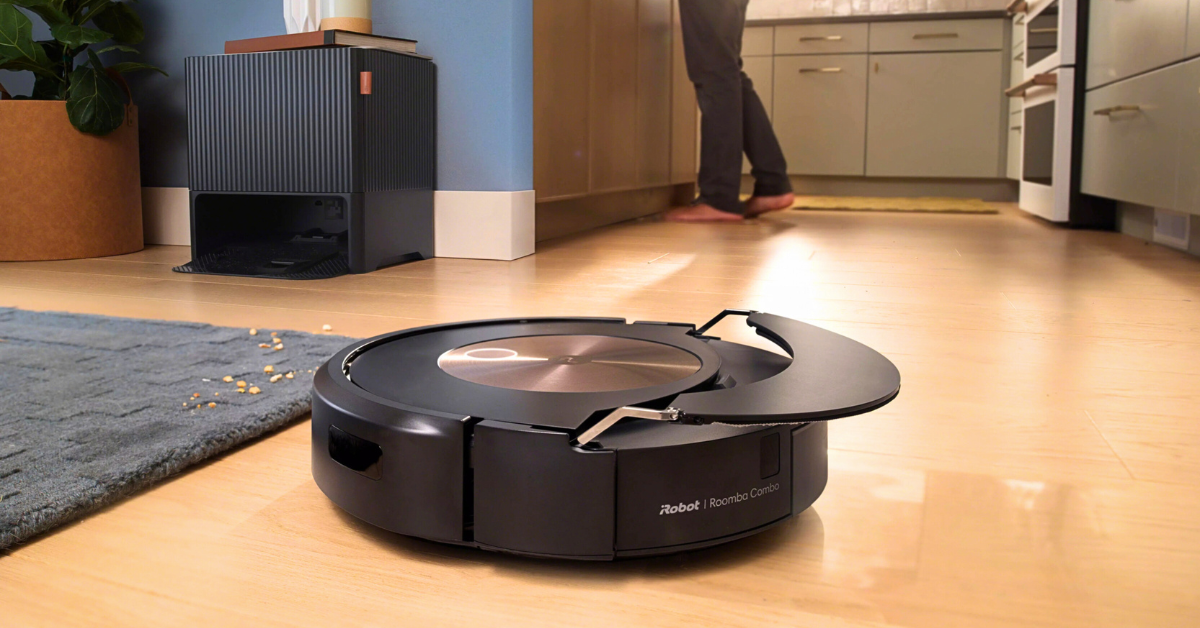
If you’ve got a Roomba buzzing around your house right now, picking up crumbs and pet hair while you kick back on the couch, you might have felt a pang of worry this week.
iRobot, the company that’s been pioneering robotic vacuums for decades, just filed for Chapter 11 bankruptcy.
And yeah, it’s got a lot of us wondering: Is my little robot helper about to turn into an expensive paperweight?
The FrankNez Media Daily Briefing newsletter provides all the news you need to start your day. Sign up here.
– FNM
Details of the Chapter 11 Bankruptcy Filing
The news broke on December 16, 2025, when reports confirmed that the 35-year-old tech pioneer behind the Roomba had entered a pre-packaged Chapter 11 filing.
That’s the kind of bankruptcy where everything’s pretty much mapped out ahead of time – no messy surprises, just a structured way to hand the reins over to someone who can keep things running.
For context, iRobot has sold over 50 million Roombas since the first one hit shelves back in 2002.
These things aren’t just gadgets; they’re part of daily life for millions.
The company’s robots rack up nearly 25 million cleaning missions every year, and as recently as 2023, they had 19 million active app users.
That’s a massive installed base of loyal customers who rely on these devices – and the connected app – to keep their homes tidy without lifting a finger.
The good news? This bankruptcy isn’t slated to disrupt that.
Should You Worry About Your Roomba?
The pre-packaged deal means no interruptions in service, product availability, or app functionality.
Your Roomba should keep mapping rooms, dodging furniture, and heading back to its dock just like always.
A Quick Look Back at iRobot’s Rollercoaster Ride
iRobot started way back in 1990, founded by MIT grads Colin Angle, Helen Greiner, and Rodney Brooks.
Their early stuff was wild – think six-legged robots for NASA exploration.
But the real game-changer came in 2002 with the Roomba launch.
Skeptics thought it was gimmicky: a robot that bumped around randomly instead of smartly mapping everything?
Vacuuming isn’t that hard, right?
Wrong. It exploded. First-year sales hit 150,000 units. By 2005, iRobot went public on the NYSE, raising $70 million.
Even Saturday Night Live poked fun with a parody called the “Woomba.”
Sales climbed steadily, peaking at over $1.4 billion in 2020 as pandemic homebound folks embraced anything that made cleaning easier.
But then things got tough.
Cheaper rivals from China – think SharkNinja, Roborock, and Ecovacs – flooded the market with LiDAR-based bots that mapped rooms more efficiently and cost less.
iRobot’s U.S. market share dropped from 75% in 2020 to 42%.
In Europe, it fell from 35% to 12%.
Globally, Roborock took the lead in premium models over $500, while SharkNinja dominated budget ones.
The biggest blow came in 2024 when regulators in the U.S. and Europe blocked Amazon’s $1.7 billion buyout over monopoly fears.
At the time, then-CEO Colin Angle said: “Amazon shares our passion for building thoughtful innovations that empower people to do more at home, and I cannot think of a better place for our team to continue our mission.”
When the deal collapsed, Angle called it “disappointing.”
This Led to Layoffs of Course
The fallout was brutal: iRobot laid off about a third of its staff (350 people), slashed costs by $100 million, and shifted to an “asset-light” model, outsourcing more to contractors.
By late 2024, employee count was down to 541 – half of what it was the year before. Angle stepped down as CEO.
Financials tanked too. 2024 revenue came in at $682 million, down 23% from the prior year, with a $145 million net loss.
The company warned in SEC filings about “substantial doubt” it could continue as a going concern.
They tried fighting back with new models like the Roomba Max 705 in April 2025, but sales kept slipping.
Then came the tariffs. New policies added up to 46% duties on imports from Vietnam, where most Roombas are made, tacking on another $23 million in costs.
Third-quarter results showed $146 million in sales and a $21.5 million loss, with cash reserves dipping to just $24.8 million.
By December 14, 2025, with cash running low and no better options, iRobot filed the pre-packaged Chapter 11 in Delaware.
The Deal: Picea Steps In to Save the Day
Here’s where it gets interesting – and reassuring for customers.
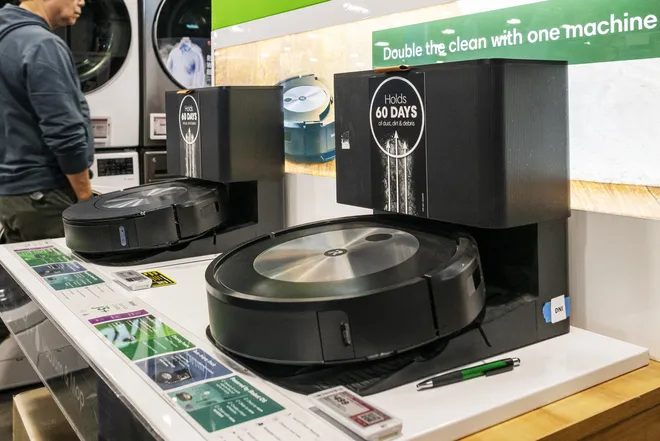
iRobot’s main contract manufacturer, Picea Robotics, is stepping up as the buyer.
They’re forgiving millions in debt to take full control.
iRobot owed Picea $161.5 million for manufacturing (with $90 million overdue).
Picea also snapped up a $200 million loan (originally from Carlyle Group) with $190 million still outstanding.
In total, Picea’s canceling $264 million in debt – $74 million from manufacturing plus the loan balance – in exchange for 100% ownership.
This wipes out shareholders (stock plunged, erasing $137 million in market cap), but it keeps the business alive as a private company under Picea.
Expected emergence: February 2026.
For employees, the court approved paying out nearly $3 million in wages and benefits during the transition.
Vendors get paid normally too.
But there’s a catch – the order notes: “Debtors are authorized to modify, change, and discontinue any of their Compensation and Benefits Programs and to implement new programs, policies, and benefits in the ordinary course during these chapter 11 cases in the Debtors’ sole discretion and without the need for further Court approval, subject to applicable law.”
Tech and Retail Face Similar Headwinds
iRobot isn’t alone in 2025’s rough patch for consumer tech and retail.
Tariffs have hammered import-heavy companies, while competition from low-cost overseas players intensifies.
Just look at other recent Chapter 11 filings shaking up the space.
For instance, self-driving tech firm Luminar Technologies filed on December 16 – same day as the iRobot news hit widely – citing the need to restructure amid slow adoption and high costs.
They’re planning to keep delivering LiDAR sensors to auto partners like Volvo while optimizing assets.
In watches, traditional brands are struggling against smartwatches.
E. Gluck, maker of Armitron and licensed lines, filed December 1 after a failed push into wearables, blaming the shift to Apple Watch and Samsung Galaxy devices.
Even luxury jewelry chain Lugano Diamonds entered Chapter 11 in November, eyeing a sale amid cooling high-end demand.
And in autonomous tech echoes, Airspan Networks, a telecom pioneer, filed earlier in the year over 5G rollout delays.
These cases highlight a pattern: Pioneering consumer gadgets – from robots to wearables – face brutal pricing wars, regulatory hurdles, and shifting habits.
Tariffs add fuel to the fire for anyone relying on overseas manufacturing.
The Bottom Line for Roomba Fans
If you’re one of those 19 million app users, breathe easy.
The pre-packaged nature means minimal disruption – no “bricking” of devices, as some feared.
Products stay available, support continues, and the brand lives on under new ownership
It’s a bittersweet end to iRobot’s public era, but the Roomba’s legacy as a household robot icon seems secure.
Who knows – maybe under Picea, we’ll see fresh innovations to fend off the competition.
And if you’re an investor, well, that’s a whole complete other story.
I’ll let Frank take it on from here.
For more on updates like this, set FrankNez Media as a preferred Google source below.
Also Read: A Massive Convenience Chain Now Closes 500 Stores
Contact | About | Home | Newsletter
Google is changing how it surfaces content. Prioritize our high-quality news and industry-leading coverage in search results by setting FrankNez Media as a preferred source.