

- DOJ moved to permanently dismiss Brook Jackson’s qui tam suit, appearing to shield Pfizer and block whistleblower accountability.
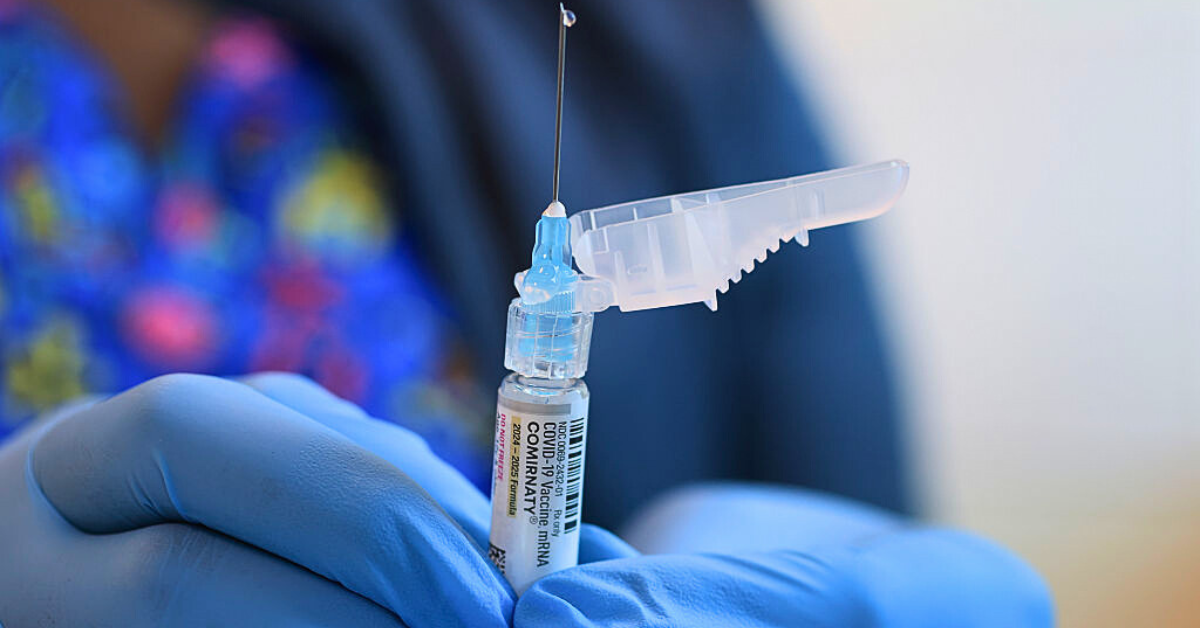
- Leaked FDA memo links at least 10 child deaths to COVID vaccines, undermining trial integrity allegations Jackson raised in 2020.
The clash between a determined whistleblower and the full weight of the federal government took a sharper edge this week, as Department of Justice attorneys fought to permanently seal shut a lawsuit exposing alleged fraud in Pfizer’s COVID-19 vaccine trials.
Coming hot on the heels of a leaked FDA memo that lays bare the deaths of at least 10 children tied to the shots, the DOJ’s push feels like a deliberate pivot away from accountability—just as internal reviews force the agency to confront the human cost of its rushed approvals.
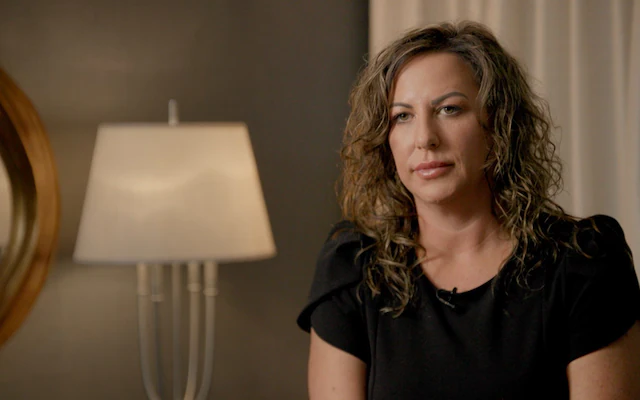
At the center stands Brook Jackson, once a regional director at Ventavia Research Group, the Texas-based contractor that managed a chunk of Pfizer’s pivotal Phase 3 trials.
The FrankNez Media Daily Briefing newsletter provides all the news you need to start your day. Sign up here.
In September 2020, Jackson flagged what she saw as glaring lapses: unblinded patients, sloppy record-keeping, and safety reports that seemed more like suggestions than mandates.
She snapped photos, gathered emails, and shot off a report to the FDA.
Hours later, Ventavia axed her, pinning it on vague gripes like mishandling confidential files.
Jackson turned that dismissal into a 2021 qui tam suit under the False Claims Act, charging Pfizer and Ventavia with peddling junk data to snag emergency authorization and scoop up billions in government cash.
The Biden DOJ sat on the sidelines at first, passing on a chance to join the fray in early 2022.
But after the case went public, they jumped in, demanding a dismissal with prejudice—no do-overs allowed.
A Push to Conceal the Findings
The second Trump administration kept the throttle down, hauling the matter to the 5th U.S. Circuit Court of Appeals. There, on Wednesday, the real fireworks lit up.
Barely a week earlier, the ground shifted under the government’s feet. Dr. Vinay Prasad, head of the FDA’s Center for Biologics Evaluation and Research, fired off a memo to staff that didn’t pull punches.
In it, he wrote that the agency would, “For the first time, the U.S. F.D.A. will acknowledge that Covid-19 vaccines have killed American children.”
He called it “This is a profound revelation,” tying at least 10 child deaths directly to the shots—often through myocarditis, the heart inflammation that’s haunted vaccine monitoring from the start.
Prasad’s note, which leaked amid growing murmurs inside the FDA, isn’t just a mea culpa; it’s a blueprint for change.
The agency plans to hike the bar on approvals: bigger trials, fresh looks at combo shots, and demands for deeper safety data from manufacturers.
It’s a sea change that ripples into flu vaccines, pregnancy guidelines, and beyond.
And for Jackson’s backers, it’s manna from heaven—proof that the very risks she tried to spotlight in 2020 weren’t alarmism, but foresight.
Courtroom Showdown: “Good Cause” or Just a Wish?
Up in New Orleans, before a panel including Chief Judge Jennifer Walker Elrod and Judge Don Willett, DOJ attorney Nicole Smith laid out the department’s ironclad view.
She told the court that U.S. District Judge Alan Truncale nailed it when he ruled the government’s desire to dismiss itself constitutes good cause, since DOJ figured its interest would not be served and the defendants hadn’t even answered the complaint.
Smith doubled down: the court has no adjudicatory role here.
When Elrod pushed on whether Federal Rule of Civil Procedure 41 defaults to dismissals without prejudice—letting Jackson refile—Smith held firm, saying the rule only assumes that unless stated otherwise.
And no, she added, the government doesn’t need to convince the court when it moves to intervene. Jackson’s lawyer, Warner Mendenhall, fired back with the kind of measured fury that sticks.
He argued the Biden team blew its shot at an easy out by waiting until after unsealing, forcing them now to clear a much higher bar.
The 1986 tweaks to the False Claims Act, he reminded the judges, handed relators like Jackson a key role as a check on a government that may actually be complicit with the defendant in healthcare fraud.
Ventavia’s counsel, Andrew Guthrie, countered that Jackson’s gripes boiled down to internal beefs—“I’m concerned we’re not following a clinical trial protocol”—and that the FCA isn’t an all-purpose anti-retaliation provision.
Protected activity?
Only if she’d spelled out government fraud, he said.
Mendenhall wasn’t having it. Whistleblowers aren’t required to say the exact right words to bring cases, he stressed.
They have no idea what the FCA is or what “qui tam” means, but Jackson saw her employer lying in a clinical trial, to Pfizer and the FDA, and suppressing the information about those lies with this relator, which messes up the entire data set from the trial.
On the firing, he urged the panel to read all inferences in her favor: there was no disciplinary action before that day, when Ventavia blindsided her with accusations of violating federal health privacy law—the judges should interpret its actions as papering the file.
And yes, he affirmed, whistle-blowers have a right to gather information.
The judges leaned in.
Elrod grilled Smith on the “good cause” label itself—does desire alone cut it, or is some articulated reason required?
Willett circled back on whether quality control complaints in trials could ever trigger FCA protections.
Mendenhall seized the moment: The government really sort of made our case for us, he said, tying the DOJ’s stance to a broader erosion of oversight.
With the FDA actually changing its policies in real time on vaccines, he predicted, there will be hundreds more deaths in children that the government’s going to recognize after the 10 cited by Prasad.
Its documentation shows millions of disabled people now due to these COVID-19 shots, including from the myocarditis flagged by Prasad, neurological disease or otherwise.
If the appeals court greenlights a refile, Mendenhall noted, Jackson may be able to bring a very different case along the same lines, but with the additional information from injury records and FOIA dumps revealing more deaths in the vaccine arm than placebo.
Otherwise, the message to whistle-blowers is stark: if fraud involves government complicity, don’t bother reporting it.
The Bigger Shadow: From Trials to Trust
This isn’t isolated theater. Jackson’s suit spotlights how Ventavia’s alleged slip-ups—handling up to 1,000 of Pfizer’s 44,000 trial participants—could have tainted the data that unlocked $1.9 billion in initial U.S. contracts, scaling to $30 billion worldwide.
Citizen dives into Pfizer’s released files have amplified the echoes: patterns of underreported events, from heart issues to worse, that the FDA’s memo now forces into the light.
As the 5th Circuit weighs its call—expected in the coming months—the hearing underscores a raw tension.
The DOJ’s bid to dismiss with prejudice, even as parallel cases snag guilty pleas in other trial frauds, risks painting regulators as shields for the shielded.
Mendenhall’s warnings about complicity hit harder now, with Prasad’s words hanging like a verdict: profound revelations demand more than memos.
They demand daylight.
For Jackson, who still shares her filings openly online, the fight’s personal.
But in a post-pandemic landscape scarred by division, it’s communal too—a test of whether watchdogs get muzzled or unleashed.
Also Read: A DOJ Whistleblower Now Makes Revelation That Undermines the Judicial System’s Integrity