

- DOJ says files were pulled or redacted to protect victim privacy and comply with a judge's order to consider victim or victim rights group concerns.
- Lawmakers from both parties criticize the release as incomplete and heavily redacted, demanding reports to Congress and further transparency.
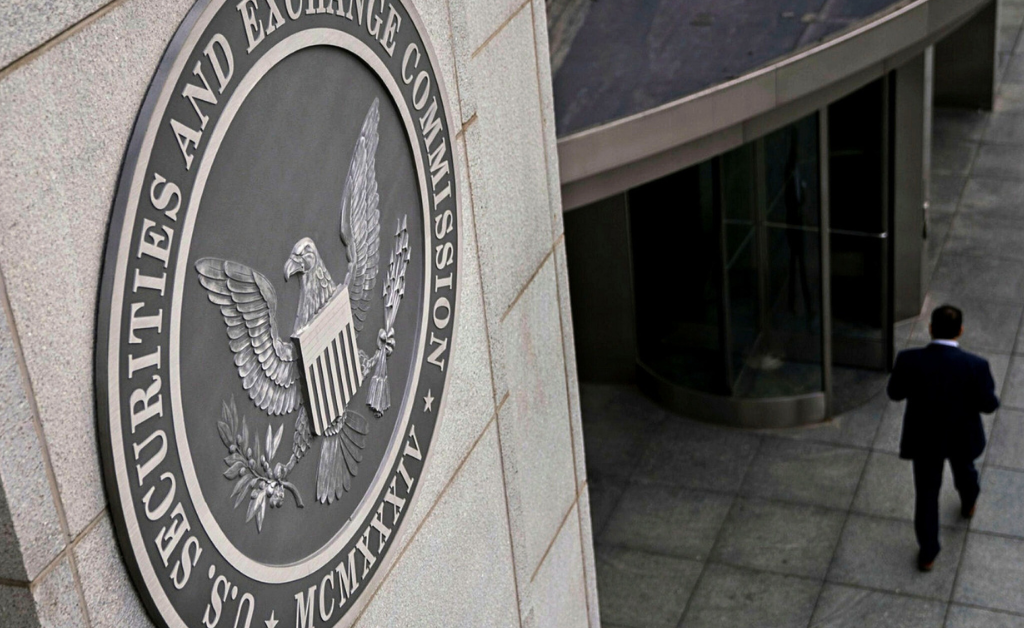
The Department of Justice’s long-awaited release of files related to Jeffrey Epstein has sparked intense criticism, with questions swirling over incomplete disclosures, heavy redactions, and the sudden removal of certain materials from the public website.
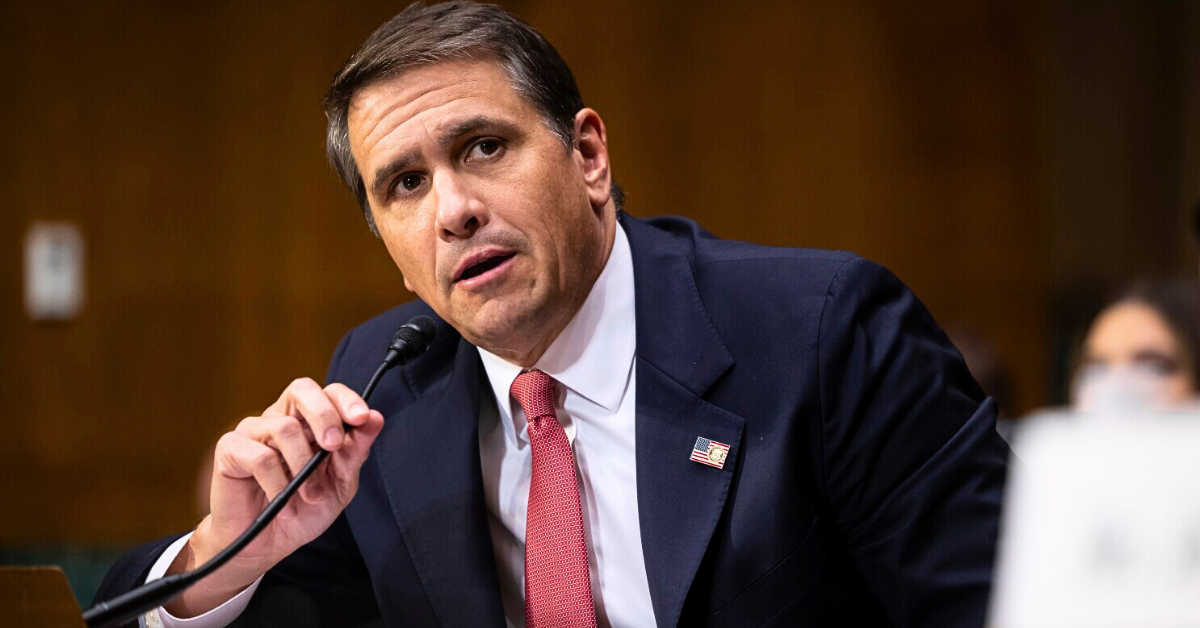
On Sunday, Deputy Attorney General Todd Blanche appeared on NBC’s “Meet the Press” to address the controversy, insisting the agency is fully complying with the law while prioritizing victim privacy.
Blanche’s comments came after the DOJ began posting thousands of documents and images on Friday, December 19, in response to the Epstein Files Transparency Act, a bipartisan measure signed by President Trump in November that mandated the release of all relevant unclassified records by that date.
The FrankNez Media Daily Briefing newsletter provides all the news you need to start your day. Sign up here.
– FNM
However, the rollout has been anything but smooth, with lawmakers from both parties accusing the department of falling short.
Details of Blanche’s Statement
“There were a number of photographs that were pulled down after being released on Friday, and that’s because a judge in New York has ordered us to listen to any victim or victim rights group if they have any concerns about the material we’re putting up,” Blanche explained.
“So when we hear concerns, whether it’s about photographs of women we do not believe are victims or we didn’t have information to show they were victims, but we learn there are concerns, of course we’re going to take that photograph down, and we’re going to address it.”
He continued: “If we need to redact faces or other information, we will, and then we’ll put it back up. So we are in every way complying with the statute.”
The removals, which reportedly included at least 15 files—among them a photo showing a desk with various images, one of which appeared to include President Trump—drew immediate scrutiny.
Media outlets like NPR and NBC News confirmed the files were no longer accessible on the DOJ’s “Epstein Library” website by Saturday, even as additional documents were added.
Blanche’s defense arrived amid a broader storm of criticism.
Bipartisan Criticism Grows

Rep. Ro Khanna (D-Calif.) and Rep. Thomas Massie (R-Ky.), who co-sponsored the transparency legislation, have called the release “grossly” incomplete.
Massie posted on X that it “fails to comply with both the spirit and the letter of the law,” warning that future administrations could pursue legal action against current officials.
Democrats on the House Oversight Committee highlighted the missing photo, questioning what else might be “covered up.”
Senate Minority Leader Chuck Schumer accused the administration of “hiding the truth,” while Sen. Dick Durbin vowed to investigate the partial release as a potential violation of federal law.
The Epstein saga has long been politically charged.
Epstein, a financier convicted of sex offenses in 2008 and charged with federal sex trafficking in 2019, died by suicide in custody that year.
His connections to powerful figures—politicians, celebrities, and business leaders—have fueled speculation and demands for full disclosure.
The recent release includes photographs seized from Epstein’s properties, showing him with figures like former President Bill Clinton, Mick Jagger, Michael Jackson, and others.
Many images were already public, and the DOJ has emphasized that presence in the files does not imply wrongdoing.
Clinton, who has denied knowledge of Epstein’s crimes, appears in several photos, including one in a hot tub with a redacted face.
Trump’s name surfaces rarely in the new materials, mostly in previously known contexts like address books or flight logs. No new evidence of criminal involvement has emerged for any prominent individual.
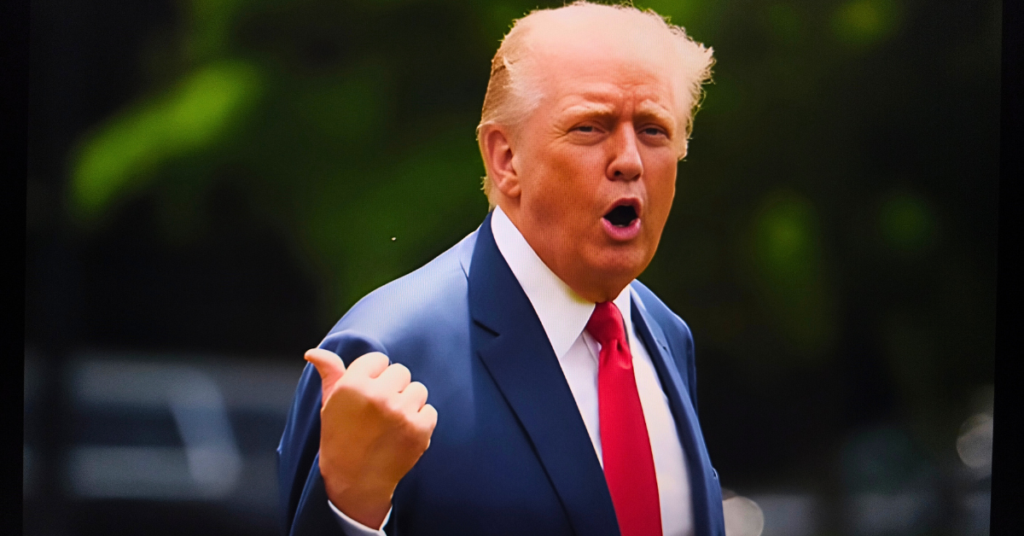
The Latest Epstein Files Release Created More Request for Answers
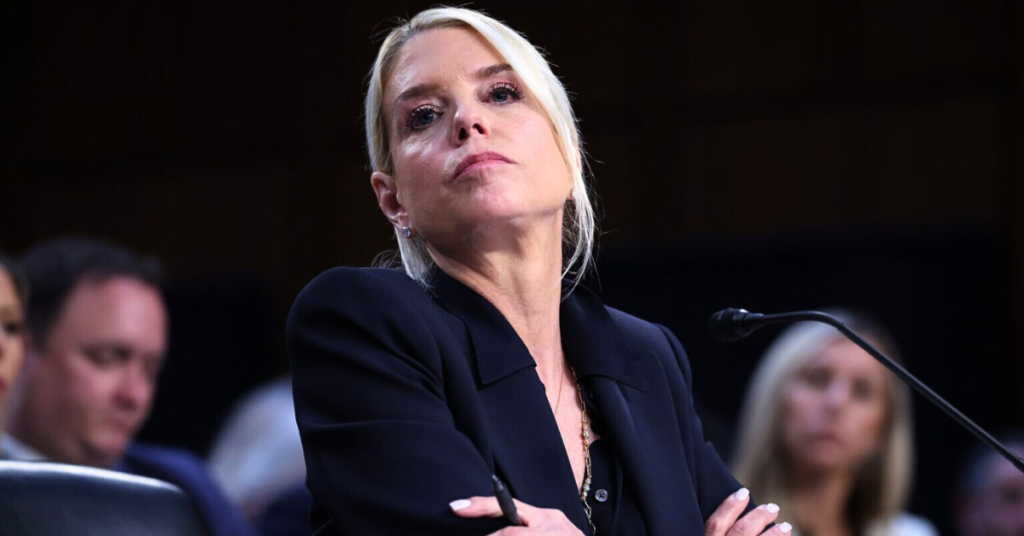
The DOJ has also released some investigative documents, such as a 1996 FBI report on a complaint against Epstein, but large portions remain heavily redacted or entirely blacked out.
Victims and advocates have expressed frustration.
Attorney Gloria Allred, representing several survivors, said the system has “failed” them, citing both over-redaction and potential under-redaction of names.
Marina Lacerda, an Epstein accuser, demanded the DOJ “stop redacting names that don’t need to be redacted.
“The controversy builds on earlier developments. In July 2025, the DOJ and FBI concluded there was no “incriminating client list” or evidence of blackmail, contradicting earlier statements from Attorney General Pam Bondi.
The administration has highlighted Clinton’s appearances to contrast with its transparency efforts, with a White House spokeswoman calling it “the most transparent in history.”
What Happens Next?
As the DOJ continues posting files in tranches, pressure mounts for full compliance.
The law requires a report to Congress within 15 days detailing redactions and withheld materials, including lists of government officials and politically exposed individuals mentioned.
For now, the release has revealed more about Epstein’s elite social circle than new bombshells, leaving many wondering if the full truth will ever emerge.
Independent media is under attack by industry policies, set FrankNez Media as a preferred source below to fight against media suppression.
Also Read: White House Now Weighs in on Reports of Trump Third Term Possibility
Contact | About | Home | Newsletter
Google is changing how it surfaces content. Prioritize our high-quality news and industry-leading coverage in search results by setting FrankNez Media as a preferred source.