


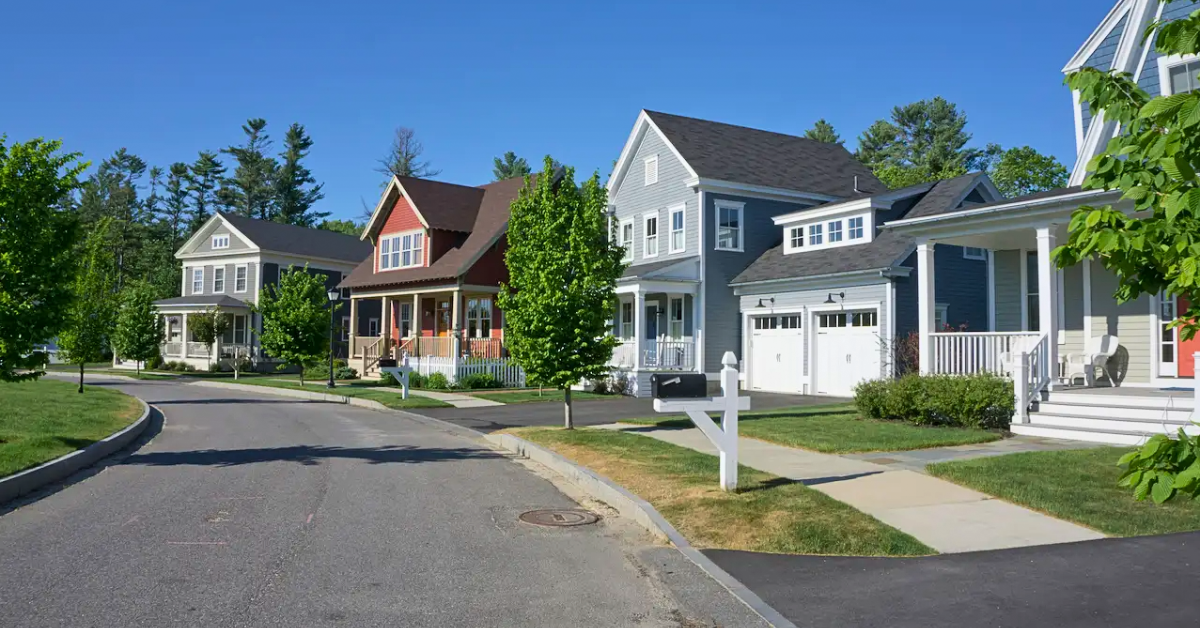
- Redfin data shows sellers outnumber buyers by 36.8% in October—the widest gap since 2013—signaling a national shift toward a buyer-favoring market.
- Market is uneven: Texas and Florida favor buyers, Northeast remains seller-dominated, while first-time buyers hit their lowest share since 1981.
It’s no secret that buying a home in America right now feels like trying to win a bidding war with one hand tied behind your back.
Sky-high prices, mortgage rates that refuse to budge much below 7%, and a lingering hangover from the pandemic frenzy have left millions of would-be homeowners sidelined.
But here’s the twist that’s got real estate watchers buzzing: For the first time in over a decade, the scales are tipping—not dramatically, but noticeably—toward buyers.
The FrankNez Media Daily Briefing newsletter provides all the news you need to start your day. Sign up here.
According to a fresh analysis from Redfin, home sellers outnumbered buyers by a staggering 36.8% in October, marking the widest buyer-seller divide since 2013.
That’s right, the last time we saw a gap this big was in the shaky aftermath of the 2008 financial crash, when the housing bubble burst and left scars that are still fresh for many.
And while no one’s predicting a repeat of that meltdown, this shift signals something real: a cooling market where desperate sellers might finally have to sweeten the pot.
Dig a little deeper, and the numbers paint an even starker picture.
The U.S. has been squarely in buyer’s market territory since May 2024, with sellers outnumbering buyers by more than 30% every month since April.
October saw buyer inquiries plunge 1.7% to the lowest level recorded since the pandemic kicked off in early 2020.
Sellers, meanwhile, dipped just 0.5% from the prior month, hitting their lowest count since February.
It’s a classic case of too much supply chasing too few demanders.
But let’s not get ahead of ourselves—this isn’t some golden era for house hunters just yet.
First-time buyers, those wide-eyed newcomers dreaming of their starter home, clocked in at their lowest market share since 1981.
That’s not a typo; it’s a generational low, underscoring how brutal affordability has become.
Mortgage rates and home prices have ballooned so much in recent years that even with a sliver of negotiating power, many are stuck renting or simply waiting it out.
The Regional Rollercoaster: Where the Deals (and Headaches) Are
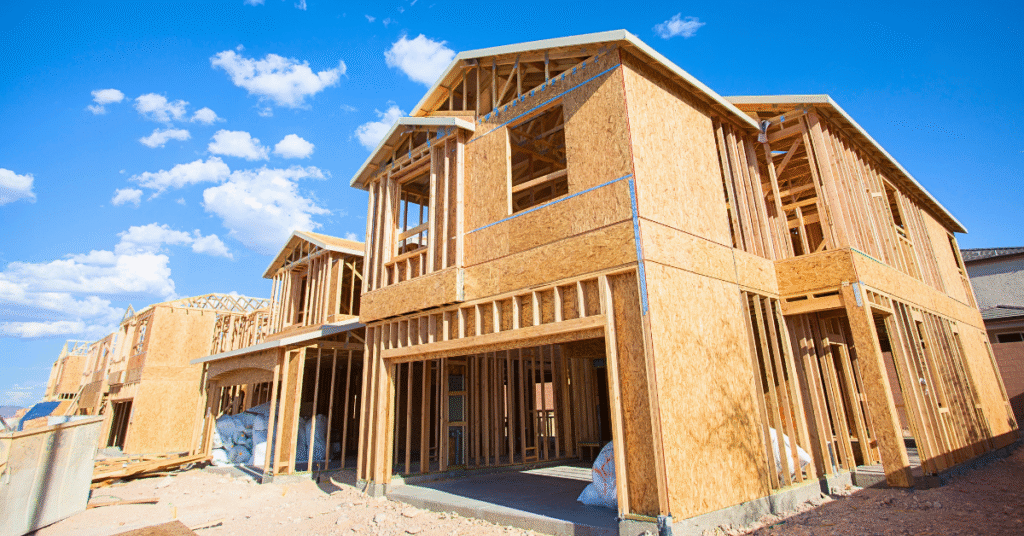
One of the most fascinating wrinkles in this story? Location, location, location—now more than ever.
Redfin’s data spotlights Texas and Florida as the epicenters of buyer-friendly markets, where inventory is piling up and sellers are sweating.
Think sprawling suburbs in Dallas or the sun-soaked condos of Tampa: If you’re in the market, these spots could mean haggling down the price or snagging concessions like closing cost coverage.
Flip the script to the Northeast, and it’s a different vibe altogether. The Tri-State area—New York, New Jersey, Connecticut—remains a seller’s paradise, with demand still outstripping supply in those high-stakes urban corridors.
It’s a patchwork quilt of a market, where your ZIP code could make or break your budget.
Experts who’ve been tracking this slow-burn transformation aren’t mincing words.
“Over the past two years, the housing market has slowly begun to favor buyers more than sellers, thanks in large part to a combination of high prices and interest rates limiting the pool of those who can actually afford to make the purchase,” says Alex Beene, a finance lecturer at the University of Tennessee at Chattanooga.
But he adds a crucial caveat: “Whether or not it’s truly a buyers’ market is more than likely dependent on what part of the country you’re looking to buy a home.
Some locations have steadily started to slide on pricing, while others are maintaining the higher values they achieved during the pandemic era.
Buyers definitely are starting to see a more accommodating environment, but just how accommodating depends on where they’re looking.”
Matt Purdy, a Redfin Premier real estate agent in Denver, gets right to the heart of the human drama playing out in living rooms and open houses across the country.
“There’s a shortage of both first-time buyers and repeat buyers because mortgage rates and home prices have gone up so much in recent years,” he explains.
“At the same time, there are homeowners who need to sell because they have to relocate for a job or are getting divorced.
Sellers want top dollar because they’re focused on recouping their investment, but buyers are focused on having a low monthly payment, so there’s this gap in expectations that’s making it hard for buyers and sellers to see eye to eye.
Oftentimes the buyer ends up winning the negotiation because they have options—there are a lot of sellers who are desperate to make a deal happen.”

A Two-Tiered Trap: Who’s Really Calling the Shots?
Not everyone’s popping champagne over these stats, though. Michael Ryan, a real estate analyst, pushes back hard on the “buyer’s market” label, calling it downright misleading.
“Numbers don’t lie. 37 percent more sellers than buyers in October. Largest gap since ’13. I get it. But this isn’t 2008. Back then, buyers had leverage and actual deals. Today, they’ve got negotiating power, minus the leverage,” he told Newsweek bluntly.
“Here’s what’s actually happening: we’ve split into 2 markets. All cash buyers? Running the show.
Everyone else? Locked out. 1st time buyers hit their lowest share of the market since 1981. The housing market stopped being about shelter a decade ago.”
Ryan’s got a point that’s hard to ignore. In this bifurcated world, deep-pocketed investors and all-cash flippers are swooping in, while the average family scrapes by with financing that’s still punishingly expensive.
It’s a K-shaped recovery in real estate form: The wealthy build more equity; the rest get priced out.
Looking Ahead: Normalization or New Normal?
So, what does this mean for you if you’re eyeing that dream kitchen remodel or plotting a cross-country move?
Optimists like Alan Chang, CEO of RE/MAX OceanView Realty in Hermosa Beach, California, see glimmers of hope.
“As interest rates dropped a bit, buying power has increased slightly for perspective homebuyers,” he notes.
“As we enter fall, the real estate market tends to slow down a bit, so transactional volume drops a bit.
Sellers in many areas of the country have realized that 3-5% annual price growth is more realistic vs. the double digits that many experienced in the prior few years.
The housing market has come to a more healthy plateau rather than the unsustainable upward growth trend.”
Chang’s not blind to the risks, though.
“High demand areas will still see valuation growth, but affordability is improving now and may continue to for the next one to three quarters, unless the economy takes a different turn,” he adds.
On the flip side, voices like Kevin Thompson, a housing economist, warn of a deeper entrenchment.
“We’re in a long-term housing standstill,” he says.
“Older homeowners may move down after sitting on massive amounts of equity, which allows them to buy smaller homes outright.
The higher end of the market will continue to handle these elevated prices. Everyone else will be pushed out.
This distortion will only grow over time, forcing lower-income buyers into renting while the upper tier keeps building equity.
The K-shaped economy is going to keep moving forward, and eventually it becomes a capital ‘K.’”
As we head into 2026, the big question lingers: Will this buyer edge hold, leading to softer prices and more options, or will stubborn inflation and policy shifts yank us back into seller supremacy?
One thing’s clear—the housing market’s fragility isn’t just numbers on a spreadsheet; it’s families rethinking life plans, communities reshaping around who can afford to stay.
If you’re in the thick of it, keep an eye on those regional trends and chat with a local agent.
The divide might be widening, but so are the opportunities for those bold enough to step in.
Also Read: A DOJ Whistleblower Now Makes Revelation That Undermines the Judicial System’s Integrity
Google is changing how it surfaces content. Prioritize our high-quality news and industry-leading coverage in search results by setting FrankNez Media as a preferred source.