

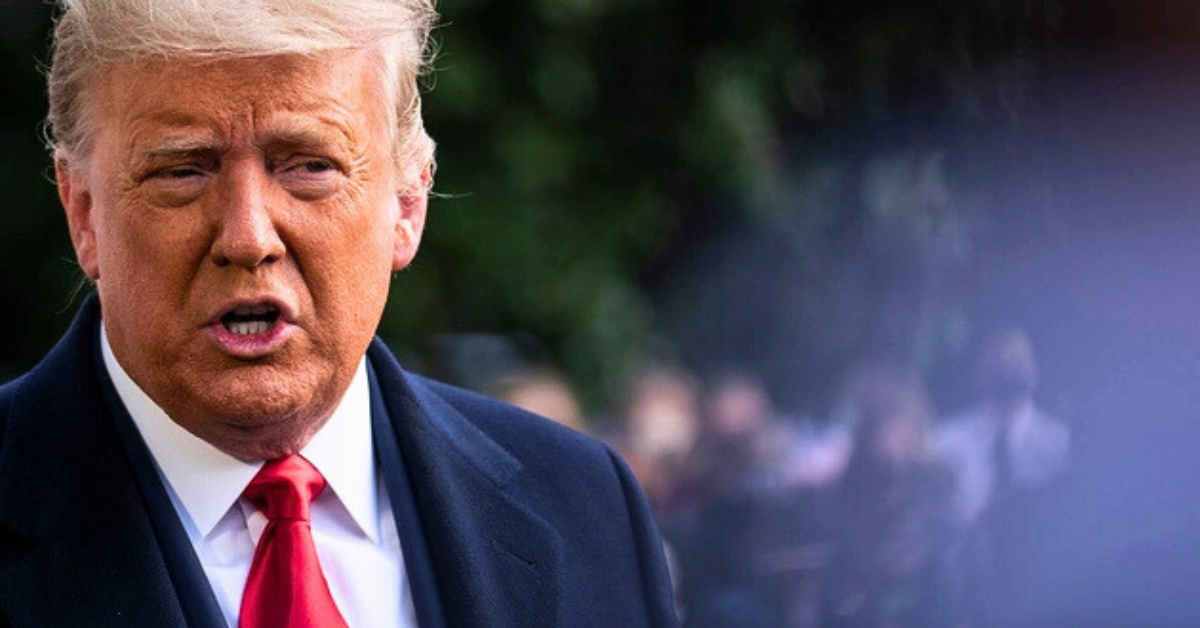
- Senators Lisa Murkowski and Susan Collins backed the Protect America’s Workforce Act to reverse Trump's executive order limiting federal collective bargaining.
- The bipartisan support highlights GOP divisions and faces uphill Senate passage and a likely presidential veto despite labor backing.
In a surprising show of cross-party unity, two prominent Republican senators have thrown their support behind legislation aimed at reversing President Donald Trump’s executive order that limited collective bargaining rights for many federal workers.
Senators Lisa Murkowski of Alaska and Susan Collins of Maine have signed on to the Senate version of the Protect America’s Workforce Act, just days after the House passed its companion bill with significant Republican backing.
The move highlights growing tensions within the GOP over Trump’s efforts to curb union influence in the federal government, particularly in agencies tied to national security.
The FrankNez Media Daily Briefing newsletter provides all the news you need to start your day. Sign up here.
– FNM
While the president framed the changes as essential for efficiency and security, critics argue they strip away vital protections for workers who handle everything from disaster response to veterans’ care.
“Collective bargaining rights and workplace protections have lifted up federal employees across the United States for decades, protecting them from unsafe working conditions and political retribution,” Murkowski said in a statement.
She went on to emphasize the everyday contributions of federal workers: “Whether our neighbors are working to ensure food safety, respond to forest fires, track hurricanes, or review patents, our nation’s federal employees deserve these protections.
I’m proud to stand up for our federal employees, as they work tirelessly for our nation’s benefit.”
Newsweek reports that it reached out to Collins’ office for comment, but a response was not immediately available.
However, sources close to the matter indicate Collins shares concerns about fairness for public servants.
How the House Vote Unfolded
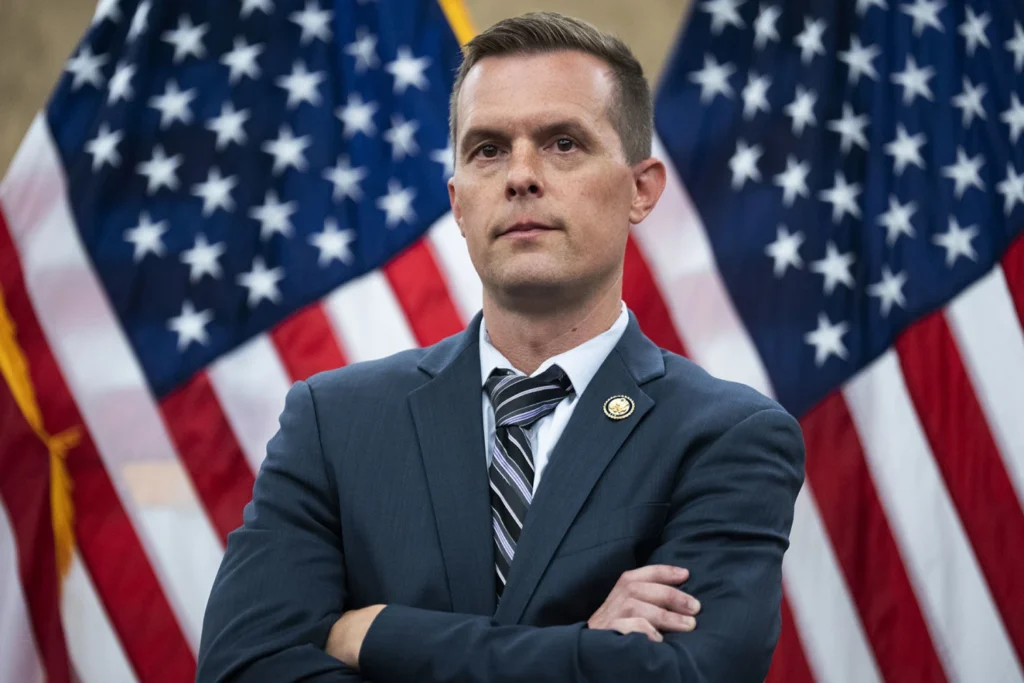
The momentum started in the House last week, where lawmakers voted 232-194 (with some reports citing slight variations like 231-195) to advance the Protect America’s Workforce Act.
What made headlines was the bipartisan support: 22 House Republicans crossed the aisle to join Democrats in pushing the bill forward.
The legislation was spearheaded by Rep. Jared Golden, a Democrat from Maine, who used a rare discharge petition to force a vote despite resistance from party leadership.
Golden celebrated the outcome, stating: “Federal workers show up on the job every day to do the people’s work, and their limited collective bargaining rights are critical to protecting them from unfair treatment and political interference.
I’m proud of the strong, bipartisan coalition that came together to pass the Protect America’s Workforce Act in the House, and I urge the Senate to quickly take up this bill and join us in standing up for workers.
Among the Republicans who voted yes were figures like Don Bacon of Nebraska, Lauren Boebert of Colorado, Brian Fitzpatrick of Pennsylvania, and Mike Lawler of New York.
Many represent districts with large numbers of federal employees or veterans, underscoring the practical impact on their constituents.
Opponents, including House Oversight Committee Chairman James Comer of Kentucky, argued that reversing the order would hinder efforts to streamline government operations.
Comer warned it could lead to more remote work policies and reduced accountability.
The Origins of Trump’s Executive Order
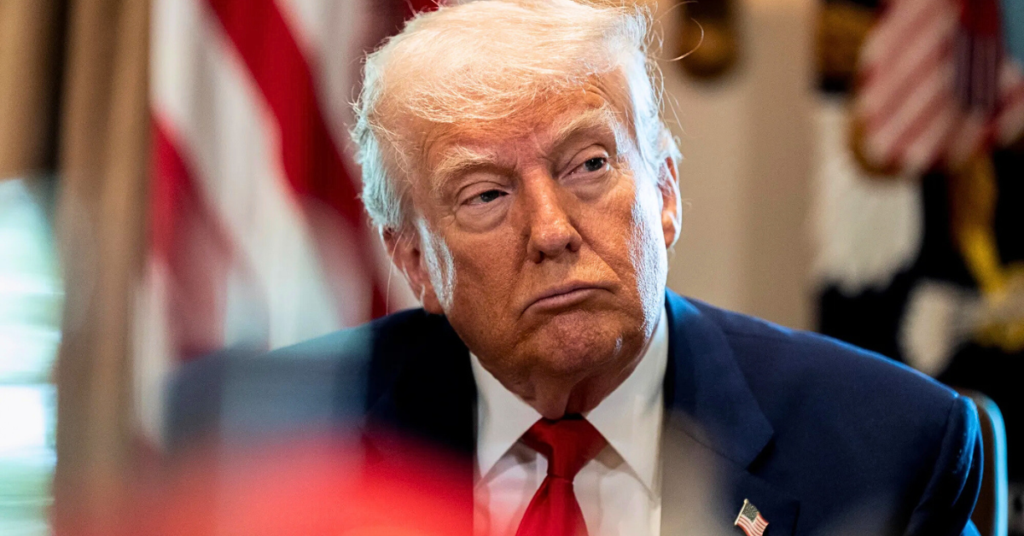
The controversy traces back to March 2025, when President Trump signed Executive Order 14251.
Citing national security needs, the order excluded numerous federal agencies and subdivisions from the Federal Service Labor-Management Relations Statute.
This statute normally guarantees collective bargaining rights, allowing unions to negotiate over working conditions, grievance procedures, and other non-wage issues (federal workers are already barred from bargaining over pay or striking).
Affected agencies included the Departments of Defense, State, Treasury, Justice, Veterans Affairs, Energy, Homeland Security, Health and Human Services, and others involved in intelligence or security functions.
A follow-up order in August expanded the restrictions further, impacting an estimated one million or more workers—roughly two-thirds of the federal civilian workforce.
The White House defended the move at the time, stating that certain unions had obstructed the administration’s agenda and that the changes were needed to ensure agencies could operate without delays.
Proponents said it would boost efficiency and protect sensitive operations.
Unions, however, called it the largest union-busting action in modern history.
Everett Kelley, president of the American Federation of Government Employees (AFGE), the largest federal union, described it as retaliatory and harmful to public service.
Trump’s Push to Reshape the Federal Workforce
This isn’t Trump’s first foray into reforming federal employee protections.
Early in his second term, he reinstated a version of “Schedule F” (renamed Schedule Policy/Career), an policy from his first administration that makes it easier to reclassify and fire certain civil servants in policy-influencing roles.
That separate order, signed in January 2025, has faced lawsuits from unions like the National Treasury Employees Union.
Combined with the union restrictions, these actions reflect a broader goal of increasing executive control over the bureaucracy.
Supporters see it as draining the “deep state” and ensuring accountability to elected leaders.
Critics warn it politicizes the civil service and deters talented workers from government jobs.
The Senate companion bill was introduced in September by Democratic Sen. Mark Warner of Virginia.
With Murkowski and Collins now on board, it gains crucial Republican cosponsors, though passage remains uncertain in the GOP-controlled chamber.
Sen. Josh Hawley of Missouri, often viewed as pro-worker within the party, expressed doubts, telling reporters:
“I don’t know. The public sector unions and private sector unions seem to be two different things.”
Other Republicans, like Sen. Rand Paul of Kentucky, who chairs a key committee, are unlikely to prioritize it.
Reactions from Unions and Workers
Labor groups hailed the developments.
The AFL-CIO’s Liz Shuler praised the House vote as a stand against “the single largest act of union-busting in American history.”
Similar endorsements came from the Service Employees International Union and the National Federation of Federal Employees.
Many federal workers, including veterans who make up a significant portion of the workforce, feel the order exposed them to arbitrary treatment.
Negotiators note that while federal unions have limited powers compared to private-sector ones, the remaining protections are vital for addressing grievances and safety issues.
What’s Next?
The bill now sits in the Senate, where it would need substantial Republican support to overcome potential filibusters.
Even if it passes both chambers, President Trump would almost certainly veto it, requiring a two-thirds override—an uphill battle.
Still, the bipartisan defections signal that Trump’s labor policies aren’t universally embraced within his party.
As one House Republican put it during debate, these workers are “career public servants, many of them veterans who show up every single day to serve our country.”
This story continues to evolve, with unions vowing court challenges and lawmakers on both sides weighing the balance between executive authority and worker rights.
For more on updates like this, set FrankNez Media as a preferred source below.
Also Read: Trump’s Latest Executive Order is Now Under Fire by GOP
Contact | About | Home | Newsletter
Google is changing how it surfaces content. Prioritize our high-quality news and industry-leading coverage in search results by setting FrankNez Media as a preferred source.