

- Harley-Davidson faces widespread U.S. dealership closures as many dealers stop making money amid shifting consumer demand and economic pressures.
- Company pivots to consolidation and stronger dealer profitability, aiming to rebuild growth through focused marketing and capital-efficient strategies.
There’s something undeniably magnetic about the rumble of a Harley engine cutting through the quiet of an open highway.
For over a century, Harley-Davidson hasn’t just built motorcycles—it’s crafted an entire ethos around freedom, rebellion, and that unshakeable American grit.
Remember Jon Bon Jovi belting out “Wanted Dead or Alive”? “I’m a cowboy, on a steel horse I ride.”
The FrankNez Media Daily Briefing newsletter provides all the news you need to start your day. Sign up here.
It’s easy to picture him tearing up the asphalt on a gleaming Harley, wind whipping past, no destination but the horizon.
But lately, that steel horse is bucking harder than usual.
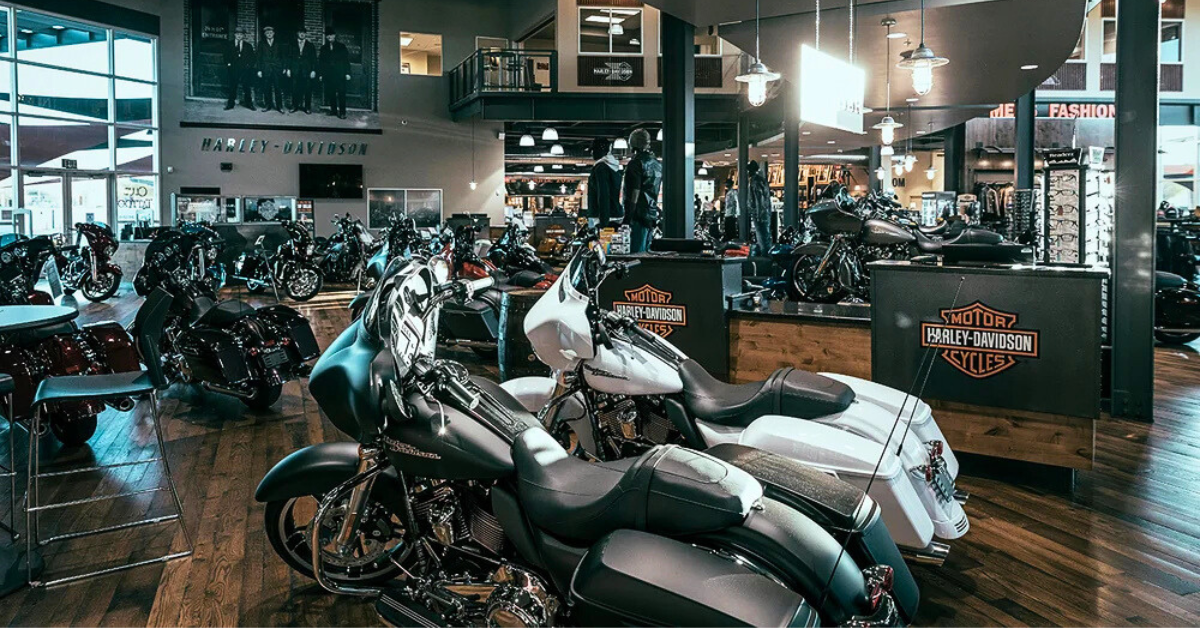
The 122-year-old Milwaukee legend, born in a backyard shed in 1903 by four ambitious tinkerers, is grappling with a wave of dealership closures that’s rippling across the country.
From sun-soaked Florida lots to bustling urban showrooms in New York, long-time Harley outposts are shuttering their doors, leaving riders wondering if the brand’s storied legacy can rev back to life.
A Brand Built on Thunder, Tested by Time
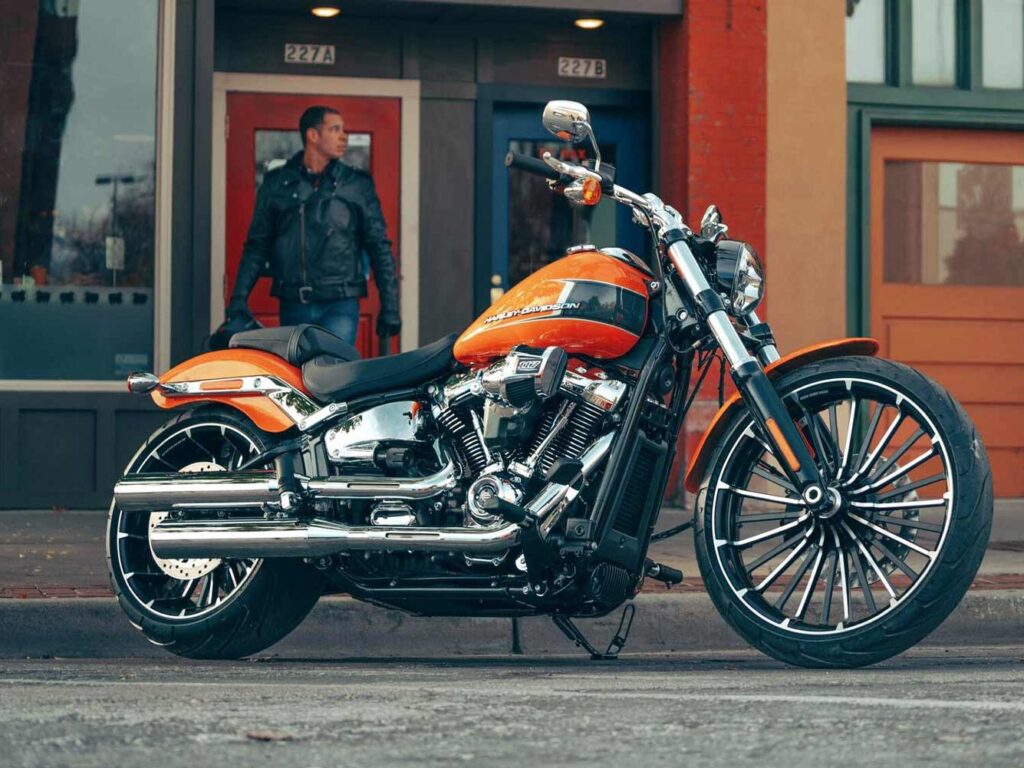
Harley-Davidson has always been more than metal and chrome. It’s a cultural juggernaut, woven into the fabric of movies like Easy Rider and Terminator 2, where its bikes roar as symbols of untamed spirit.
The company’s own words capture that spark: “In 1903, out of a small shed in Milwaukee, Wisconsin, four young men lit a cultural wildfire that would grow and spread across geographies and generations.
Their innovation and imagination for what was possible on two wheels sparked a transportation revolution and lifestyle that would make Harley-Davidson the most desirable motorcycle and lifestyle brand in the world.”
That desirability shows up in clever ways.
Harley’s marketing playbook, as outlined by industry watchers, leans hard on its roots: a heritage dating back to the dawn of the 20th century, a vibe tied to adventure and nonconformity, and an empire of branded gear—from leather jackets to bobblehead collectibles—that keeps fans hooked.
Riders love the premium build, the endless customization options that let you make a bike your own, and the fact that these machines are tough enough to hand down like family heirlooms.
It’s no wonder the brand transcends borders, uniting folks from dusty backroads to city streets in a shared passion for the ride.
Yet even icons aren’t immune to headwinds.
As consumer tastes shift and economic pressures mount, Harley’s network of dealers—once a sprawling testament to its reach—is thinning out.
The Closing Wave: Dealerships Dropping Like Fallen Leaves
Across the map, from coastal hotspots to heartland hubs, Harley spots are going dark. It’s not a trickle; it’s a steady stream that’s picked up steam since the post-pandemic hangover hit.
Back in the COVID boom, supply shortages meant bikes flew off lots at full sticker price, dealers raking in profits without batting an eye at discounts. But now? The party’s over, and the bills are coming due.
Take Miracle City Harley-Davidson in Titusville, Florida—a fixture for local riders. It locked its gates permanently on September 1, 2024, leaving just two other dealers in the area to pick up the slack.
Up in New York, the Long Island City outpost, a go-to for city dwellers, followed suit on September 28 of the same year.
Then there’s the gut punch in San Francisco: Dudley Perkins Harley-Davidson, a family-run gem founded by an AMA Hall of Famer, slammed shut after 110 years in 2024.
No fanfare, just a quiet end to over a century of stories.
The pain isn’t confined to big markets. Rosemont Harley-Davidson in the Chicago suburbs announced a consolidation into a nearby store late last year, folding one operation into another to cut costs.
In Joplin, Missouri, Hideout Harley-Davidson waved goodbye at the end of March 2025. High Country Harley-Davidson, with spots in Frederick, Colorado, and Cheyenne, Wyoming, called it quits after 25 years in July 2025.
And Bloomsburg, Pennsylvania’s Vreeland’s Harley-Davidson, a 35-year staple, closed on September 30, 2025.
These aren’t isolated tales.
Reports from trade outlets and local news paint a broader picture: closures in Illinois, Ohio, Wisconsin, Minnesota, Colorado, Wyoming, Florida, and beyond.
“Across the U.S., Harley-Davidson dealerships are closing their doors to customers. From San Francisco to Kewanee, Illinois, and down through Titusville, Florida, long-running shops have called it quits, with some stores not giving any reasons whatsoever for their closure,” as one automotive site put it.
What’s driving this? Simple math, says George Gatto, chairperson of the NPDA’s Harley-Davidson Dealer Council: “It’s simply because dealers aren’t making money.”
The retail network is shrinking into fewer, beefier operations—a survival tactic that screams consolidation, not expansion.
Numbers That Tell a Tougher Story
Harley’s own financial snapshot from the third quarter of 2025 lays it bare.
CEO Artie Starrs didn’t sugarcoat it in the earnings release: “While retail sales remain challenged, I’m truly energized by what I’ve experienced across the company, in dealerships, and with the broader rider community.
While there is a lot of work ahead of us, our success begins with our dealers—when they thrive, Harley-Davidson thrives.”
The stats? Global motorcycle retail sales dipped 6% year-over-year, with North America down 5% and international markets off 9%.
Shipments to dealers jumped 33%, but that just swelled inventories—now down 13% from last year’s end as the company scrambles to clear the decks.
Revenue for the Harley-Davidson Motor Company (HDMC) climbed 23%, but operating margins squeezed to 5.0%.
And don’t get me started on the $27 million hit from new tariffs rolled out this year.Blame it on a cocktail of high interest rates, shaky consumer confidence, and lingering inflation jitters.
Riders who once splurged on that dream cruiser are holding tight to their wallets, and it’s trickling down to the showrooms.
Charting a Comeback: Can Harley Rev the Engine Again?
Starrs sees a path forward, one that doubles down on what made the brand a legend.
“Going forward you can expect an intensified focus on the key drivers of sustainable growth: strong and profitable dealerships, growing the powerful connection riders have with our brand, locally relevant marketing, and capital-efficient growth,” he said.
It’s a pragmatic pivot—nurturing the loyalists, streamlining ops, and reminding everyone why Harley still turns heads.
After all, as Web Bike World puts it: “Throughout the world, Harley-Davidson unites people deeply, passionately, and authentically. From town to town and country to country, its ideals of freedom and self-expression transcend cultures, gender, and age.”
Will it be enough to steady the ship?
Only time—and maybe a few more open-road miles—will tell.
For now, as another storied dealership fades into memory, Harley’s fans are left hoping that cowboy on the steel horse keeps riding strong.
Also Read: Famous Coffee Chain Now Closing Several Stores Across America