


- House Republicans moved up their Christmas recess to Thursday, ending votes a day early ahead of the DOJ's Friday Epstein files release deadline.
- Critics see potential political motive to avoid Friday questions, though experts say the schedule change does not affect DOJ's legal obligation to release the documents.
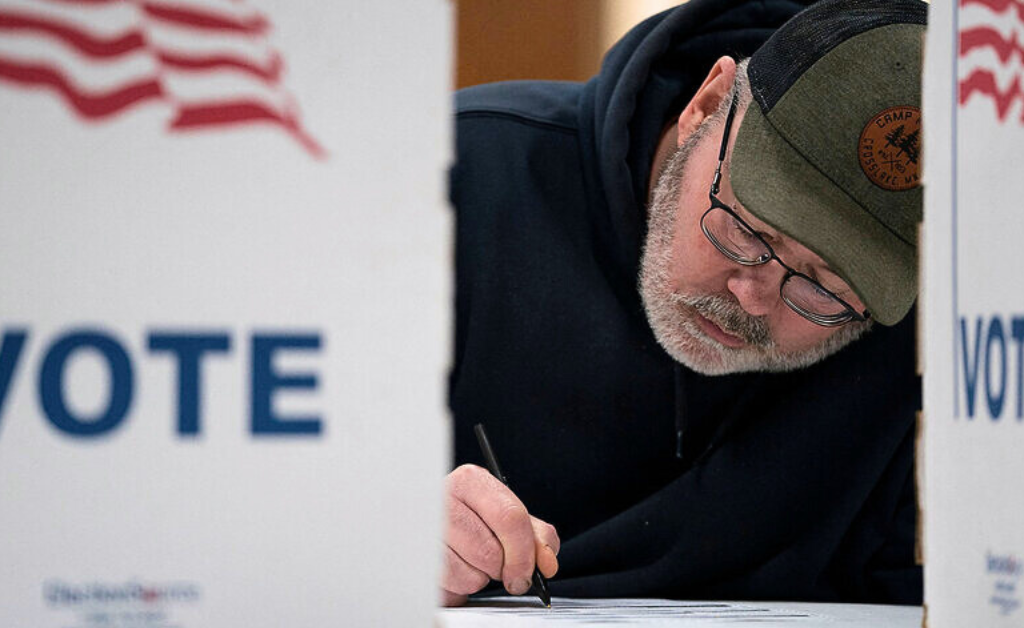
Washington, D.C. — House Republicans have shifted their Christmas break forward by one day, concluding votes on Thursday evening rather than holding sessions into Friday.
The adjustment comes as the Department of Justice approaches a Friday deadline to release extensive documents related to Jeffrey Epstein, the late financier and convicted sex offender.
The change in schedule was noted in a floor update from Democratic Whip Katherine Clark’s office. While the original plan included activity through Friday, members will now depart Thursday.
The FrankNez Media Daily Briefing newsletter provides all the news you need to start your day. Sign up here.
– FNM
The timing has sparked discussion online and among some Democrats, given that Friday, December 19, 2025, is the 30-day deadline for Attorney General Pam Bondi to make public unclassified materials under the Epstein Files Transparency Act.
President Donald Trump signed the bipartisan legislation into law on November 19, 2025.
There is no evidence suggesting the schedule change is intended to impact or evade the DOJ’s release obligations.
Political science professor Sarah Binder of George Washington University told Newsweek that the early adjournment would not affect the attorney general’s legal compliance with the public disclosure requirement.
However, she noted there could be a political incentive for GOP leaders to avoid potential questions from reporters in the Capitol on Friday.
The Epstein Files Transparency Act mandates the DOJ, FBI, and U.S. Attorneys’ Offices to publish in a searchable, downloadable format all relevant investigative records on Epstein, Ghislaine Maxwell, flight logs, associated individuals, and details of his 2019 death in custody.
The law explicitly bars redactions solely to shield public figures from embarrassment or reputational harm, though protections apply for victim identities and any ongoing probes, with required justifications.
Attorney General Pam Bondi has indicated to media outlets her intention to meet the deadline.
During a November press conference, Deputy Attorney General Todd Blanche addressed victim safeguards, stating the department’s commitment to following the law’s provisions.
Democratic Lawmakers Highlight the Timing

Several Democrats pointed to the coincidence on social media.
Rep. Alexandria Ocasio-Cortez (D-N.Y.) posted on X: “Like I said: view all political developments for the rest of the week in light of the fact that the Epstein Files are supposed to be released on Friday.
House Republicans just suddenly canceled Congressional session Friday and are sending everyone home Thursday evening.”
Rep. Ro Khanna (D-Calif.), who co-sponsored the transparency act with Rep. Thomas Massie (R-Ky.), wrote: “Epstein files released Friday because of my & [Kentucky Republican Representative Thomas Massie’s] Epstein Transparency Act, and House cancels session that day. Coincidence?”
The bill’s journey to enactment involved significant bipartisan support, passing the House 427-1 and unanimously in the Senate before reaching the president’s desk.
Congress is scheduled to reconvene on January 6, 2026, after the holiday recess.

Years of Push for Greater Disclosure on Epstein Case

Efforts to uncover more details from Epstein’s investigations have spanned years, with partial releases occurring through civil litigation and congressional subpoenas long before the 2025 transparency law.
In January 2024, a federal judge unsealed nearly 1,000 pages from Virginia Giuffre’s defamation lawsuit against Maxwell, revealing names of associates—many already known publicly—without implying wrongdoing in most cases.
Throughout 2025, additional materials emerged.
The House Committee on Oversight and Government Reform subpoenaed the DOJ in August, leading to the public release of 33,295 pages from Epstein-related records in September.
Committee statements noted that the DOJ continued productions while redacting victim information and excluding sensitive content.
In December 2025, federal judges in New York and Florida approved the unsealing of grand jury transcripts from probes into Epstein and Maxwell, citing the new transparency act as overriding standard secrecy protections.
Democrats on the Oversight Committee also released select photos and documents from Epstein’s estate in mid-December, including images featuring prominent figures like former President Bill Clinton, President Trump, and others.
Republican committee members criticized the selections as partial and headline-driven.
Earlier phases included DOJ disclosures of over 100 pages in February 2025 and further batches described as “Phase 1” declassifications shared with select figures.
What Happens Next?
The impending full DOJ release could encompass hundreds of thousands of pages, potentially including internal communications, evidence logs, and more on Epstein’s network.
Epstein faced federal sex trafficking charges at the time of his 2019 death, officially ruled a suicide.
Public anticipation remains elevated amid ongoing debates over accountability and the extent of Epstein’s connections to powerful individuals.
Independent media is under attack by industry policies, set FrankNez Media as a preferred source below to fight against media suppression.
Also Read: Trump’s Latest Executive Order is Now Under Fire by GOP
Contact | About | Home | Newsletter
Google is changing how it surfaces content. Prioritize our high-quality news and industry-leading coverage in search results by setting FrankNez Media as a preferred source.