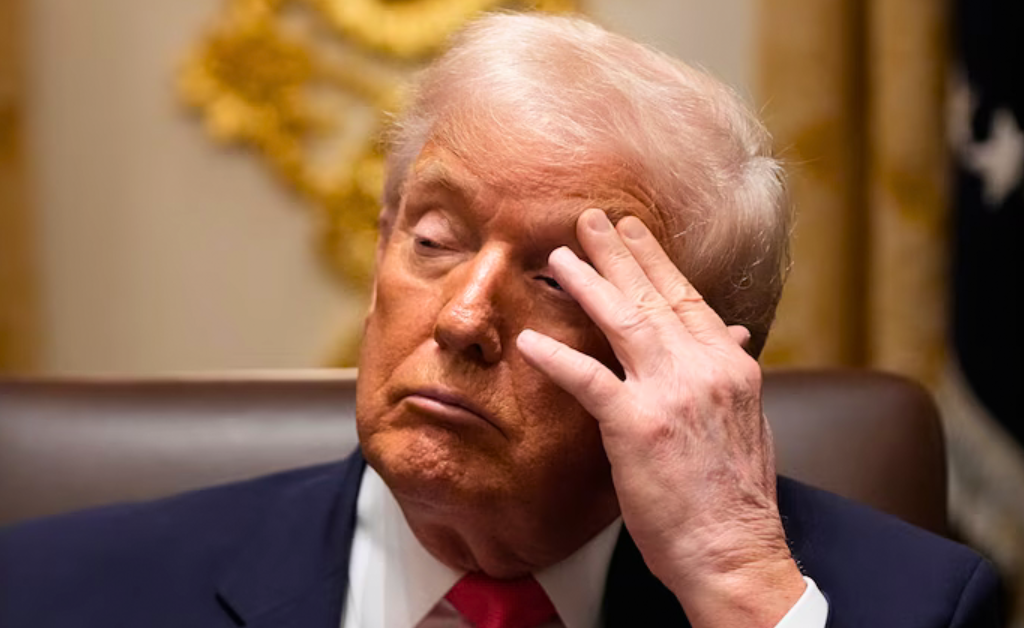


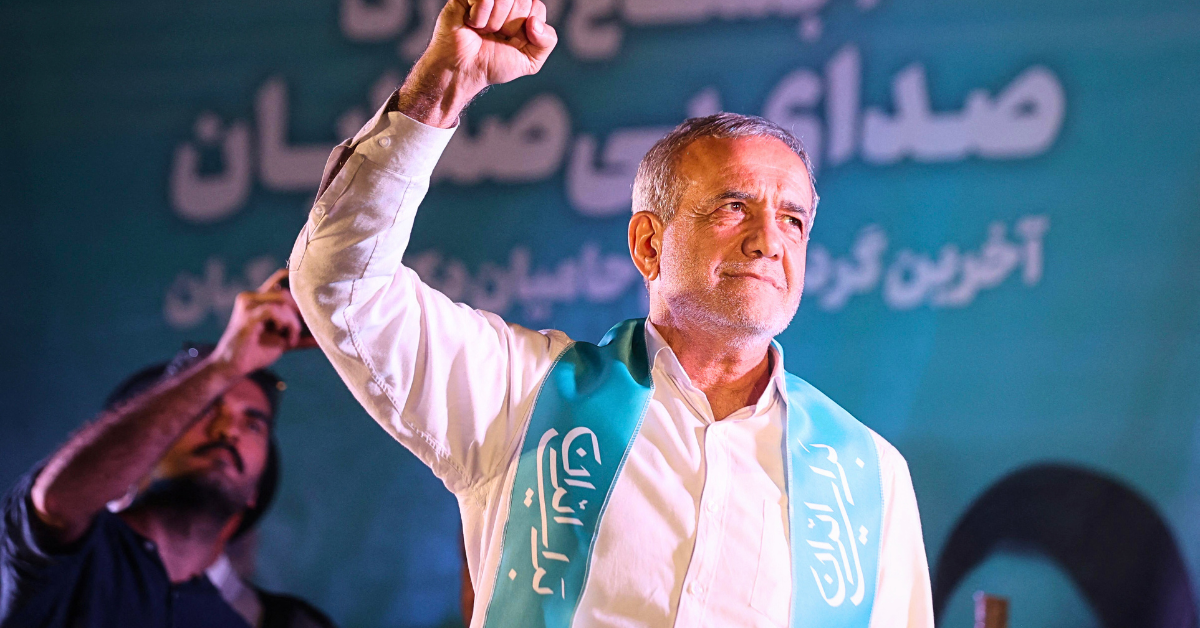
- Iran's president declared a "full-fledged war" with the US, Israel, and Europe, framing pressures as a comprehensive siege.
- The Iranian General Staff vowed a far harsher, more damaging response and placed forces on full alert against any hostile action.
- Heightened rhetoric follows June 2025 clashes, revived sanctions, economic strain, and fears the confrontation could spiral into renewed conflict.
Tehran has escalated its verbal confrontation with the West, with the Iranian military issuing a dire warning just hours after President Masoud Pezeshkian described the country as being in a “full-fledged war” with the United States, Israel, and Europe.
On December 29, 2025, the General Staff of the Iranian Armed Forces released a statement pledging to deliver a “far harsher, more crushing and more damaging” response to any future hostile actions.
The warning, reported by Iran’s Tasnim News Agency, stressed that the armed forces are on full alert and would not allow threats to the nation’s security or its citizens.
The FrankNez Media Daily Briefing newsletter provides all the news you need to start your day. Sign up here.
– FNM
Commanders cautioned that any “miscalculation” by adversaries would trigger an overwhelming retaliation.
Details of the Warning
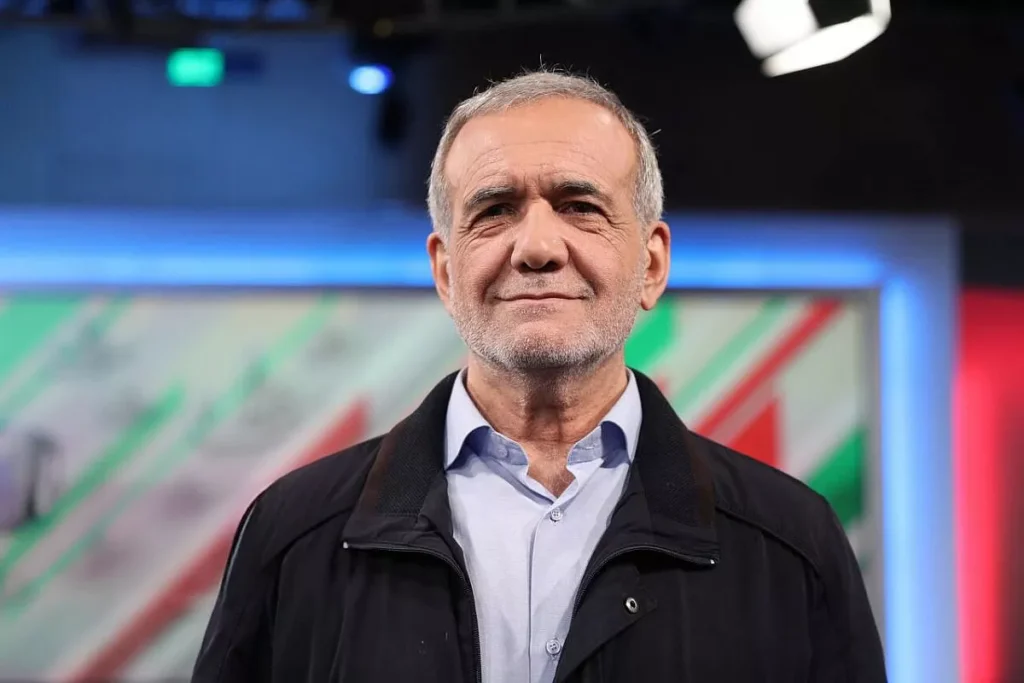
This military posture follows inflammatory remarks from Pezeshkian in an interview published on the official website of Supreme Leader Ayatollah Ali Khamenei.
“In my opinion, we are in a full-fledged war with America, Israel and Europe,” Pezeshkian said.
“They do not want our country to stand on its feet.”
He compared the current pressures to historical conflicts, stating: “This war is worse than Iraq’s war against us. If one understands it well, this war is far more complex and difficult than that war.”
The president was alluding to the devastating 1980-1988 Iran-Iraq War, which resulted in over a million casualties combined.
Pezeshkian also addressed the fallout from renewed aggression: “If the enemy chooses confrontation, they will naturally face a more decisive response.”
He highlighted multifaceted pressures, noting: “Here, they are besieging us from every aspect, they are putting us in difficulty and constraint, creating problems — in terms of livelihood, culturally, politically, and security-wise — while raising society’s expectations.”
Israeli-Trump Meeting Amid Tensions
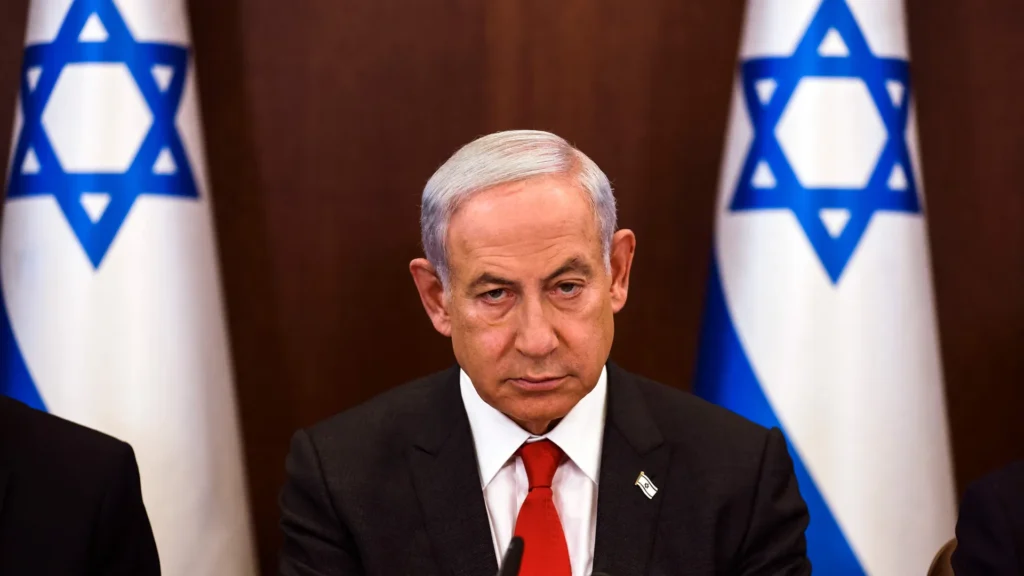
The timing of these statements coincides with Israeli Prime Minister Benjamin Netanyahu’s trip to the United States for a high-stakes meeting with President Donald Trump at Mar-a-Lago in Florida on December 29.
Reports indicate Netanyahu intends to discuss Iran’s ballistic missile program, potential repairs to damaged nuclear facilities, and broader regional threats, including Hezbollah in Lebanon.
The rhetoric revives memories of the intense 12-day war between Israel and Iran in June 2025.
That conflict began with Israeli strikes on Iranian nuclear sites, military bases, and leadership targets, followed by U.S. involvement in bombing three key nuclear facilities.
Iran responded with missile and drone attacks, killing 28 people in Israel according to multiple reports.
Iranian casualties were significant, with official figures later revised to 935 deaths, including civilians, though human rights groups and other sources cited higher tolls, including over 1,000 when factoring in unreported cases.
A ceasefire ended the direct fighting, but distrust persists. In September 2025, European nations—France, Germany, and the UK—invoked the “snapback” mechanism to reimpose UN sanctions on Iran’s nuclear activities, which Tehran maintains are peaceful.
The U.S. has layered on additional sanctions targeting Iran’s oil trade and finances as part of its ongoing maximum pressure strategy.
Domestically, Iran faces economic strain amid these external pressures.
The Iranian rial has plunged to new lows, fueling protests and shop closures in Tehran.
Recent reports highlight the resignation of the central bank governor as inflation and currency woes mount.
Iranian officials, however, project defiance.
What Happens Now?
Pezeshkian emphasized national resilience in the face of what he described as a comprehensive siege.
Military drills in late December, including ballistic missile exercises, have heightened Israeli concerns about rebuilding efforts at sites like Parchin, damaged in the June clashes.
As Netanyahu and Trump confer, analysts watch for signals on U.S. policy toward Iran.
While Trump has prioritized avoiding new Middle East entanglements, his administration has maintained tough sanctions and coordinated closely with Israel on security matters.
Netanyahu has repeatedly warned of severe consequences for any Iranian provocations.
The war of words underscores a fragile regional balance.
With both sides framing the other as an existential threat, observers fear that rhetoric could spiral into renewed conflict if missteps occur.
Independent media is under attack by industry policies, set FrankNez Media as a preferred source below to fight against media suppression.
Also Read: Bill Clinton Now Reacts to Heavily Redacted Epstein Photos Featured in Pool
Contact | About | Home | Newsletter
Google is changing how it surfaces content. Prioritize our high-quality news and industry-leading coverage in search results by setting FrankNez Media as a preferred source.