

- Creditors seek subpoenas into JPMorgan and Fifth Third over alleged pervasive fraud and double-pledging of collateral at Tricolor.
- Tricolor's collapse wiped out investor value, halted operations, and led JPMorgan to record a $170 million write-off.
- Probe could yield recoveries, regulatory scrutiny, and lasting reputational damage for the banks if failures are proven.
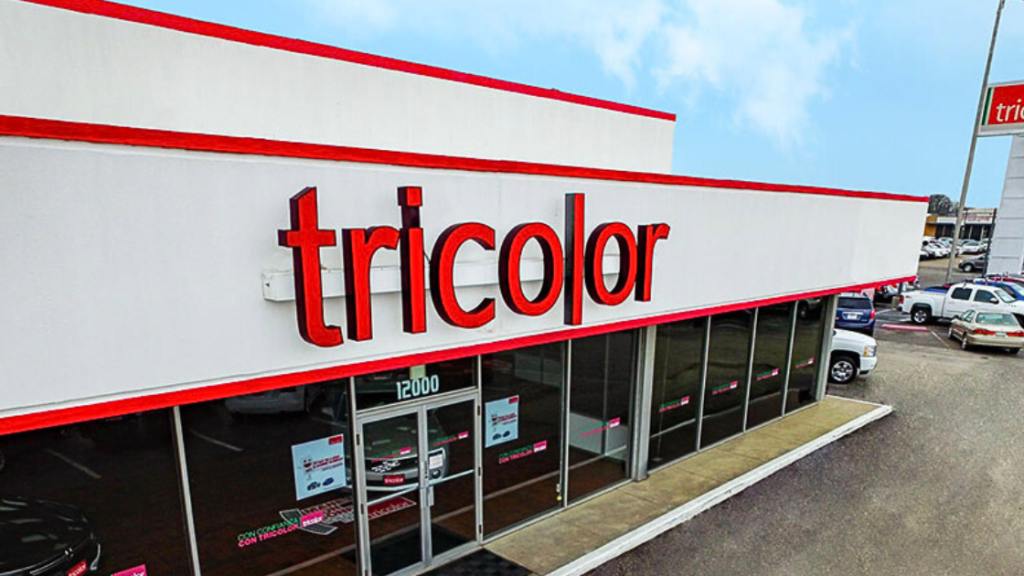
The fallout from Tricolor Holdings’ dramatic implosion continues to ripple through the financial world, with a group of jilted creditors now turning their sights on two of Wall Street’s biggest players.
In a bold court filing, these investors are pushing for a deep dive into whether JPMorgan Chase and Fifth Third Bancorp turned a blind eye to glaring warning signs of fraud at the subprime auto lender—a scandal that not only wiped out hundreds of millions but also exposed cracks in how securitizations are policed.
It was just three months ago that Tricolor, once a rising star in the high-risk auto financing space, slammed the doors shut in September, plunging into Chapter 7 liquidation.
The FrankNez Media Daily Briefing newsletter provides all the news you need to start your day. Sign up here.
– FNM
The sudden shutdown didn’t just strand thousands of car buyers mid-loan; it left the company’s entire operation in chaos.
Lending arms frozen, servicing systems offline, and dealerships scrambling—noteholders watching their investments evaporate with no way to even track incoming customer payments or tap into promised reserves.
At the heart of the mess? Allegations of “pervasive” fraud, including the double-pledging of collateral, where the same assets were allegedly pawned off to multiple investors like a bad game of musical chairs.
Details of the Plan of Action
The Ad Hoc Activist Recovery Group, representing holders of over $225 million in secured notes, isn’t mincing words in their Tuesday filing to a U.S. bankruptcy judge.
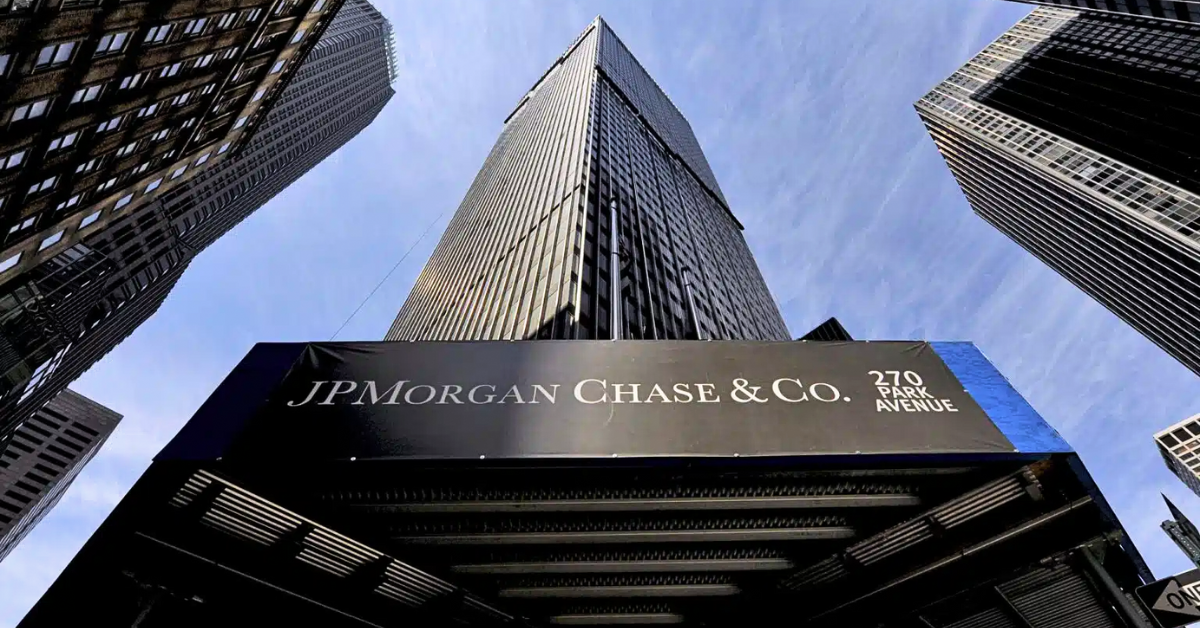
They want subpoenas flying—to JPMorgan and Fifth Third, the banks that orchestrated Tricolor’s securitizations—and they’re after the full story: What did these lenders know about the “red flags” waving in the wind?
And when the alarms started blaring, why didn’t they hit the brakes?
The creditors’ frustration boils over in the document, painting a picture of potential betrayal.
“The Chapter 7 Trustee’s counsel has stated that, prior to the bankruptcy, Tricolor was entangled in a ‘pervasive’ fraud that involved the double-pledging of collateral,” the group writes.
They argue this probe isn’t just about pointing fingers; it’s about survival.
“Acquiring as much information as possible surrounding any fraud or collateral impairments … is critical to stemming the tide, preserving value, and ensuring that any bad actors do not inequitably profit.”
To understand the stakes, rewind a bit.
Where It All Started
Tricolor specialized in subprime loans—financing cars for folks with shaky credit histories, often bundling those loans into securities sold to investors hungry for yield.
JPMorgan and Fifth Third played the role of arrangers, greasing the wheels for these deals.
But when Tricolor cratered, it wasn’t a quiet fade-out.
The bankruptcy court filings revealed a company so tangled in deceit that even basic operations ground to a halt, leaving secured lenders like the Activist Group high and dry.
JPMorgan, the behemoth of American banking, felt the sting acutely.
In the third quarter, it booked a whopping $170 million write-off tied to Tricolor—a hit that prompted CEO Jamie Dimon to call it “not our finest moment” during earnings calls.
Dimon’s candid admission underscores the embarrassment: How did a firm with armies of risk managers miss the rot?
Fifth Third, a midsize powerhouse out of Ohio, has stayed mum so far, but the subpoena threat could force uncomfortable disclosures.
Neither bank responded to requests for comment on the filing.
A lawyer for Tricolor, caught after hours, didn’t immediately weigh in either.
But the silence only amplifies the questions.
Where This Is Headed
This isn’t an isolated tremor.
Tricolor’s tumble came on the heels of First Brands’ bankruptcy the same month—a major auto parts supplier dogged by eerily similar accusations of double-pledging assets.
Together, they’ve rattled credit markets, where investors now eye subprime deals with fresh skepticism.
Securitizations, once the darling of yield-chasing portfolios, suddenly feel like minefields.
Regulators are watching, too; whispers in Washington suggest broader scrutiny of how banks vet the deals they peddle.
For the creditors, the fight is personal—and financial.
They claim they may have been “fraudulently induced” into pouring capital into Tricolor, and they’re questioning if the note default was even unavoidable.
A successful probe could unlock recoveries, claw back fees from the banks, or worse for JPMorgan and Fifth Third: reputational shrapnel that lingers.
As the bankruptcy judge mulls the request, one thing’s clear: Tricolor’s ghost isn’t going quietly.
In an industry built on trust in the fine print, this saga serves as a stark reminder that sometimes, the real risk is what nobody saw coming—or chose not to.
Also Read: Short Sellers Are Now Throwing One Another Under the Bus
Contact | About | Home | Newsletter
Google is changing how it surfaces content. Prioritize our high-quality news and industry-leading coverage in search results by setting FrankNez Media as a preferred source.