

- Maryland lawmakers overrode Gov. Wes Moore's veto to create a state commission to study and recommend slavery reparations.
- The commission must deliver a preliminary report by Jan 1, 2027, and a final report by Nov 1, 2027, with benefit recommendations.
- Potential remedies range from apologies and education supports to monetary compensation, housing aid, and debt forgiveness.
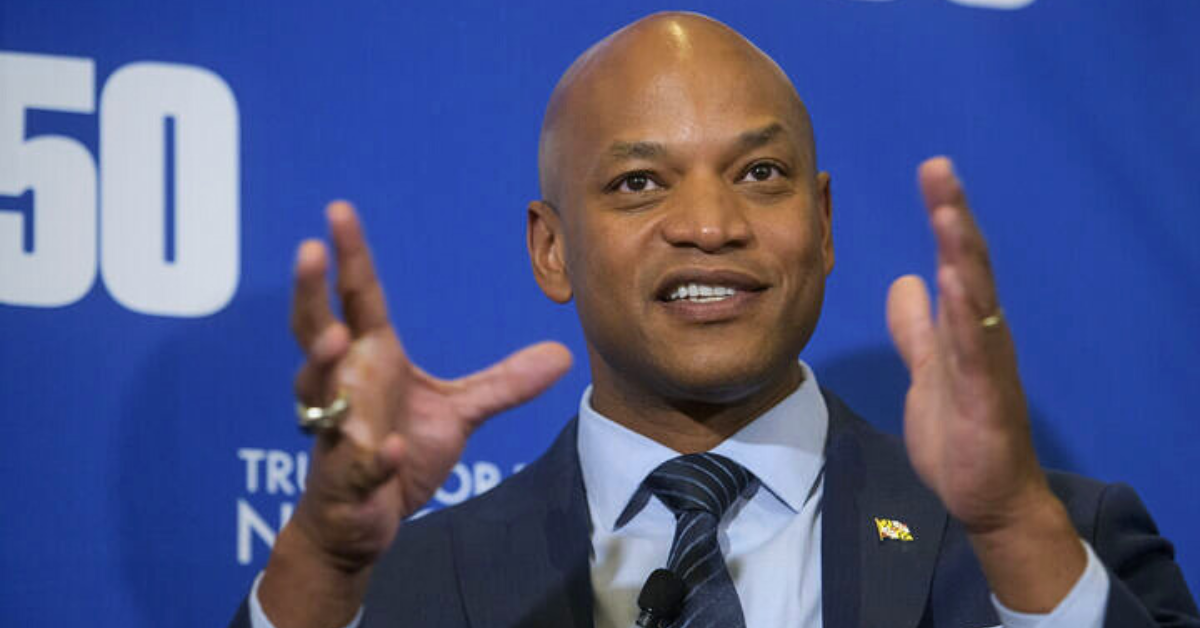
In a significant move that underscores ongoing national conversations about racial justice, Maryland lawmakers on Tuesday overrode a veto by Democratic Governor Wes Moore, establishing a state commission to study and recommend potential reparations for the legacy of slavery and discriminatory policies.
The decision came during a special session in Annapolis, where the Democratic-controlled Maryland House voted to override Moore’s May veto of the legislation.
This paves the way for the Maryland Reparations Commission to examine benefits for individuals whose ancestors were enslaved in the state or affected by inequitable government actions.
The FrankNez Media Daily Briefing newsletter provides all the news you need to start your day. Sign up here.
– FNM
Moore, Maryland’s first Black governor and currently the nation’s only Black governor, had vetoed the bill earlier this year.
Details of the Veto Override
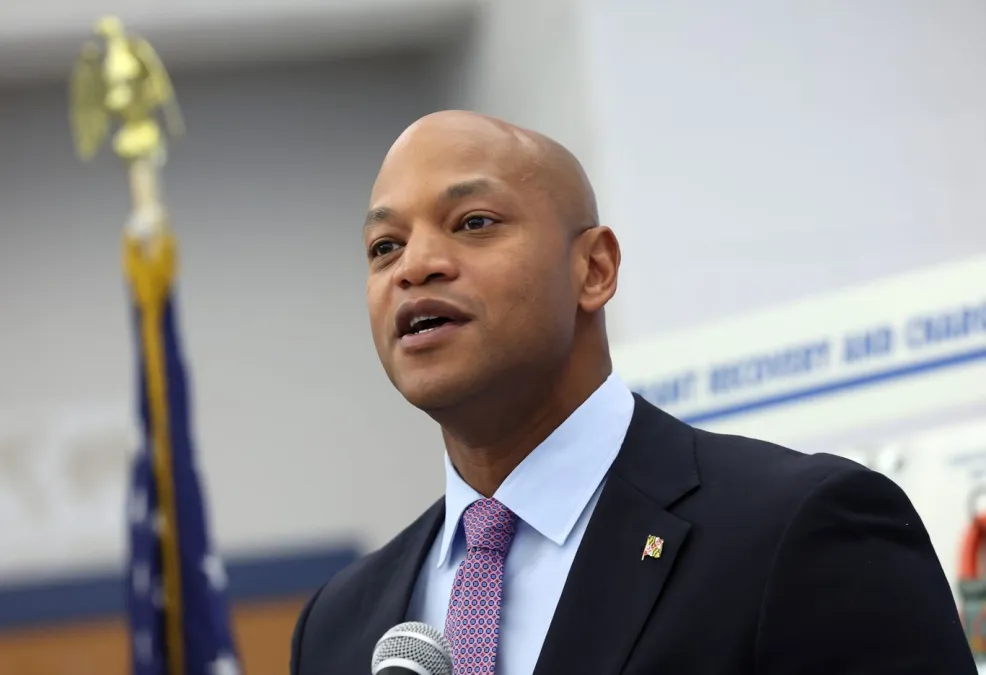
In his veto letter, he described the choice as difficult but argued that there had already been sufficient study of slavery’s legacy.
He emphasized that it was time to “focus on the work itself” to address those harms directly.
“This topic isn’t easy, but, again, without formal study, reparations risk being dismissed as symbolic or unconstitutional, regardless of moral merit,” said State Senator Charles Sydnor, highlighting the need for a structured examination to lend credibility to any future proposals.
Despite the veto override, Moore expressed willingness to collaborate moving forward.
In a statement, he said he disagrees with the legislature’s decision but is “eager to move forward in partnership on the work of repair that we all agree is an urgent and pressing need.”
He added: “I believe the time for action is now – and we must continue moving forward with the work of repair immediately.
That mission is especially vital given the immediate and ongoing effects of this federal administration on our constituents, including communities that have been historically left behind.”
The Maryland Legislative Black Caucus celebrated the override, stating: “At a time of growing attacks on diversity and equity, today’s action reaffirms our shared commitment to truth-telling, accountability, and meaningful progress for Black Marylanders.”
The new commission will study and recommend “appropriate benefits” for those impacted.
How Will Black Marylanders Be Compensated?
According to the legislation, these could range from official statements of apology to monetary compensation, property tax rebates, social service assistance, licensing and permit fee waivers, down payment help for home purchases, business incentives, child care support, debt forgiveness, and waivers or reimbursements for higher education tuition.
The panel is required to deliver a preliminary report by January 1, 2027, and a final report with findings and recommendations by November 1, 2027.
Maryland’s Black population stands at about 30%, the highest percentage of any state outside the Deep South, adding weight to the state’s role in these discussions.
This development places Maryland among a growing number of states and localities exploring ways to address historical injustices tied to slavery and racism.
Reparations Efforts Across the U.S.
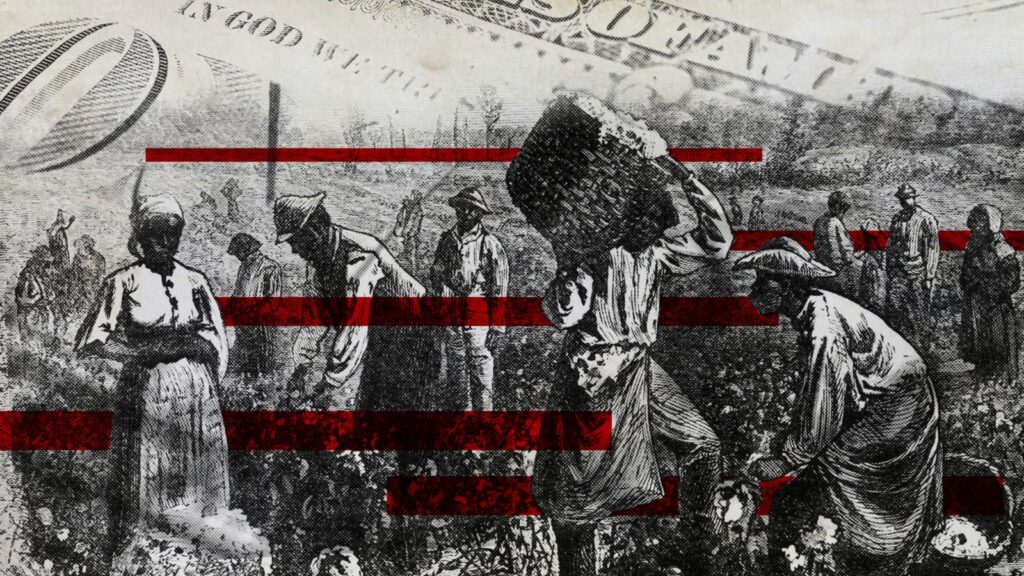
Maryland’s action follows similar initiatives in other parts of the country, where cities and states have taken steps to confront the enduring impacts of slavery, segregation, and discrimination.
One of the pioneering efforts is in Evanston, Illinois, which in 2019 became the first U.S. municipality to launch a reparations program.
Funded initially through a tax on recreational cannabis sales, Evanston’s Restorative Housing Program provides up to $25,000 to eligible Black residents or their descendants affected by discriminatory housing policies between 1919 and 1969.
As of mid-2025, the city has disbursed over $6 million to more than 200 recipients, helping with home repairs, mortgage payments, or down payments.
The program has faced legal challenges, including a 2024 class-action lawsuit alleging violations of the 14th Amendment’s Equal Protection Clause, but it continues to operate and has garnered strong community support, according to surveys.
Evanston’s approach has inspired coalitions like Mayors Organized for Reparations and Equity, involving cities such as Los Angeles and Austin, Texas.
On the West Coast, California has been at the forefront of statewide efforts.
In 2020, following the murder of George Floyd, California established the nation’s first state-level Reparations Task Force.
The group released a nearly 1,100-page final report in 2023, detailing harms from slavery, racial terror, housing discrimination, and more, while proposing remedies including apologies, compensation calculations, and policy changes.
Though direct cash payments have not materialized due to budget constraints and legal hurdles—like Proposition 209, which limits race-based preferences—progress continues.
In October 2025, Governor Gavin Newsom signed five bills from the Legislative Black Caucus’ “Road to Repair” package, including one creating a Bureau for Descendants of American Slavery to administer programs.
Other measures advanced apologies, genealogy services, and protections against discrimination.
Advocates note that these steps build a foundation, even as some proposals were vetoed or delayed.
New York City approved legislation in 2023-2024 to form a commission studying its role in slavery and considering reparations.
Similar study commissions or task forces exist in places like St. Paul, Minnesota; Washington, D.C.; and Northampton, Massachusetts.
According to analyses from groups like the Economic Policy Institute, as of late 2024, at least 40 localities—including seven states, four counties, and dozens of cities—have launched reparations initiatives.

The National Picture and Ongoing Debate
At the federal level, the push for reparations dates back decades. H.R. 40, the Commission to Study and Develop Reparation Proposals for African Americans Act, was first introduced in 1989 by Rep. John Conyers.
It calls for a national commission to examine slavery’s impacts and recommend remedies, including apologies and compensation.
The bill has been reintroduced in every Congress since, most recently in early 2025 by Rep. Ayanna Pressley and Sen. Cory Booker amid concerns over federal rollbacks of diversity programs.
As of now, it remains in committee, facing challenges in a divided Congress.Public opinion has shifted slowly.
A 2021 Pew survey found only about 30% of U.S. adults supported repayments like cash or land to descendants of enslaved people, though support is higher among Black Americans.
Proponents argue that reparations are essential for addressing wealth gaps, health disparities, and systemic inequities rooted in history.
Critics often question feasibility, eligibility, or whether such measures divide rather than unite.
What Happens Now?
Maryland’s commission, now set to begin its work, adds another chapter to this evolving story.
As one lawmaker put it, the process may be complex and contentious, but ignoring the past risks perpetuating its effects.
Whether this leads to concrete benefits remains to be seen, but the override signals that for many in Maryland—and across the nation—the conversation is far from over.
For more on updates like this, set FrankNez Media as a preferred source below.
Also Read: Number of Republicans That Identify as MAGA Takes a Plunge
Contact | About | Home | Newsletter
Google is changing how it surfaces content. Prioritize our high-quality news and industry-leading coverage in search results by setting FrankNez Media as a preferred source.