

- Minneapolis won’t assist ICE raids because city law prohibits it and cooperation would violate local policy protecting immigrant trust.
- Chief O’Hara says the department lacks enough officers—police must prioritize responding to shootings, robberies, and domestic violence.
- O’Hara warns ICE involvement fuels community fear, deterring people from calling 911 and undermining public safety.
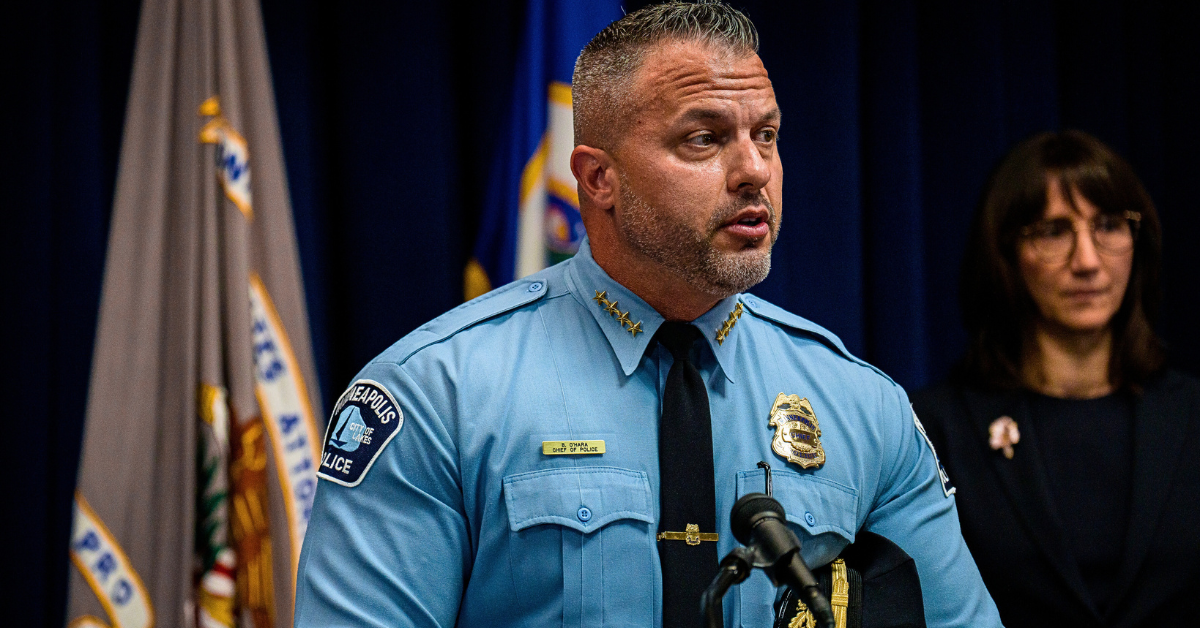
In a candid moment on national television, Minneapolis Police Chief Brian O’Hara laid out why his department is steering clear of helping federal immigration authorities with their operations.
It’s a story that hits at the heart of ongoing debates about local law enforcement’s role in immigration enforcement, especially in cities grappling with their own crime waves.
The comments came during an appearance on CNN’s “Laura Coates Live” this Wednesday, where host Laura Coates pressed O’Hara on his stance against assisting ICE—Immigration and Customs Enforcement—in carrying out raids.
The FrankNez Media Daily Briefing newsletter provides all the news you need to start your day. Sign up here.
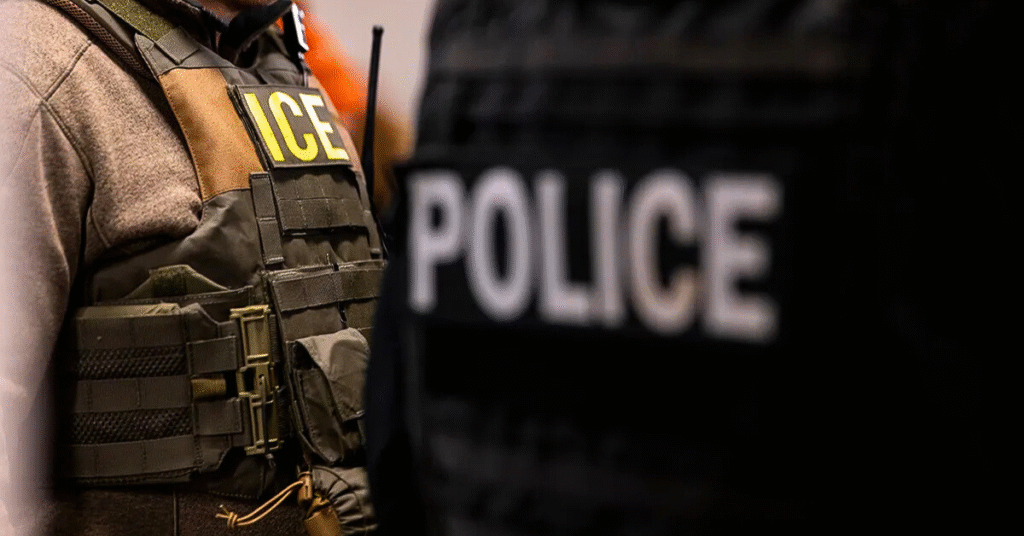
Critics have pointed out that these raids often target individuals with criminal backgrounds, and some argue that police involvement could make the process safer and more effective.
But O’Hara didn’t budge, offering a straightforward explanation rooted in local realities.
The Key Exchange: What Was Said
Coates kicked off the discussion by noting O’Hara’s position: “[Y]ou have said that your department is not going to help ICE carry out any raids.
Now, critics, they argue that the raids will target dangerous criminals and that police protection could really save lives.
But why do you stand firm in not assisting?”
O’Hara’s response pulled no punches.
He started with the legal angle: “Well, for one, it’s against the law here in this city.”
But he quickly dove into the practical side of things, highlighting the strain on his officers.
“But, two, on a more basic level, it’s my mission to deal with crime and violence. The immigration authorities do not respond to domestic violence. They do not respond to shootings and robberies.
And I do not have enough cops to deal with the actual crime that’s happening in our community.”
He wrapped up by emphasizing the divide in responsibilities: “So, it’s not our job. They’re not going to do our job for us.”
And then he touched on a deeper concern—the ripple effects on public trust.
“And, just, frankly, I think the effect on the community, the way this stuff is being carried out, is making people terrified. It’s — I’m concerned that people who may need help are going to be afraid to call 911.”
These words paint a picture of a police force stretched thin, prioritizing immediate threats over federal mandates that, in O’Hara’s view, fall outside their core duties.
Why This Matters: Local Laws and Limited Resources
O’Hara’s first point about city law isn’t just rhetoric.
Minneapolis, like many progressive-leaning cities, has policies in place that limit cooperation with ICE to foster trust with immigrant communities.
This approach aims to ensure that residents feel safe reporting crimes without fear of deportation. But the chief’s emphasis on staffing shortages adds a layer of urgency.
Police departments across the country have been dealing with recruitment challenges post-2020, and Minneapolis has felt that pinch acutely after the George Floyd protests and subsequent calls for reform.
By pointing out that ICE doesn’t handle everyday emergencies like domestic violence or shootings, O’Hara underscores a fundamental mismatch in roles.
Local cops are on the front lines of community safety and diverting them to immigration tasks could mean slower response times for robberies or other violent incidents.
It’s a tough balancing act, especially when federal operations ramp up under shifting administrations.
The Human Impact: Fear in the Community
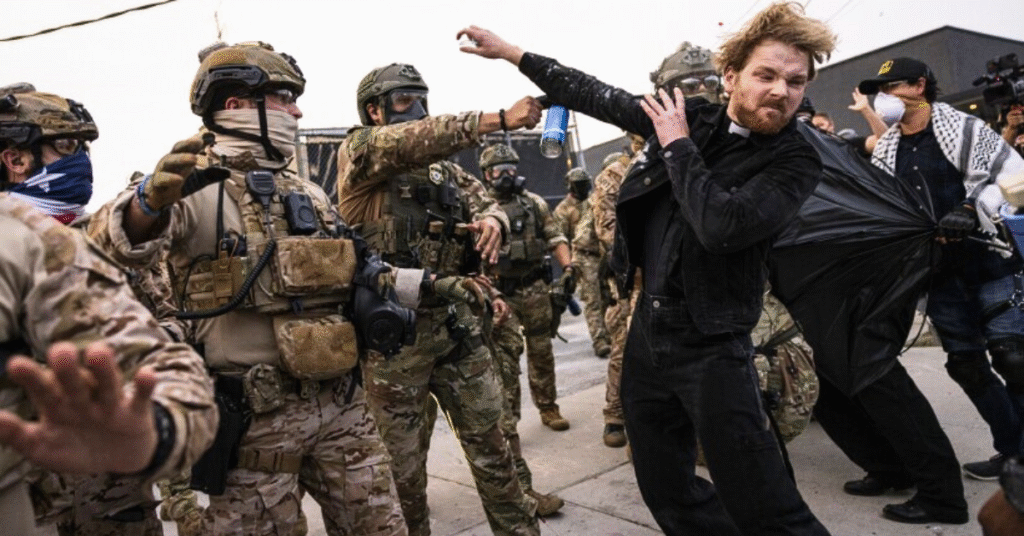
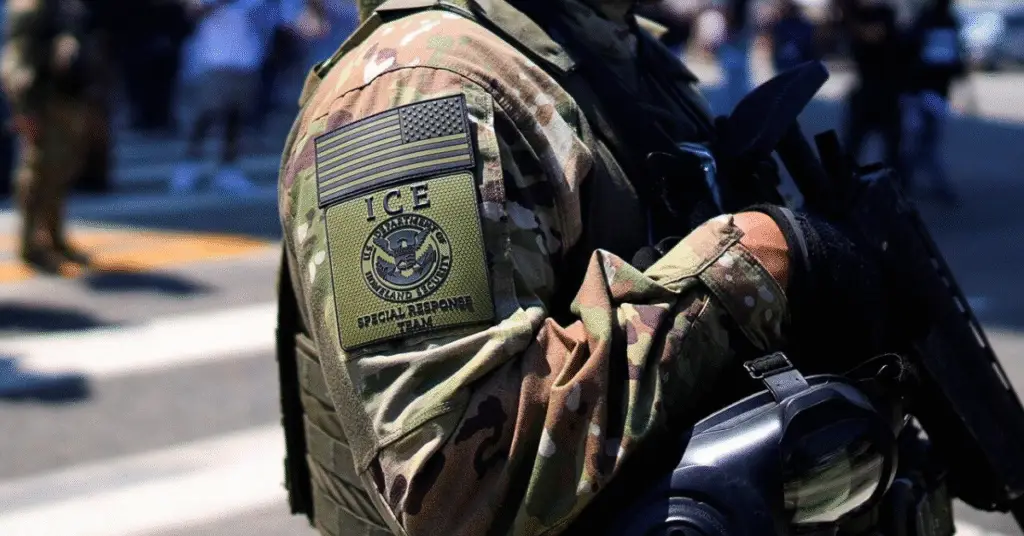
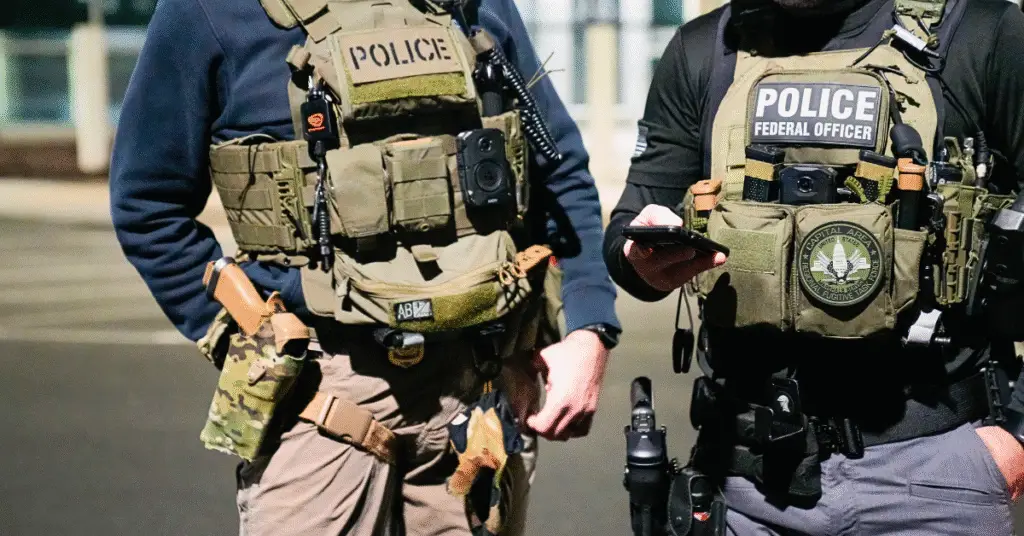
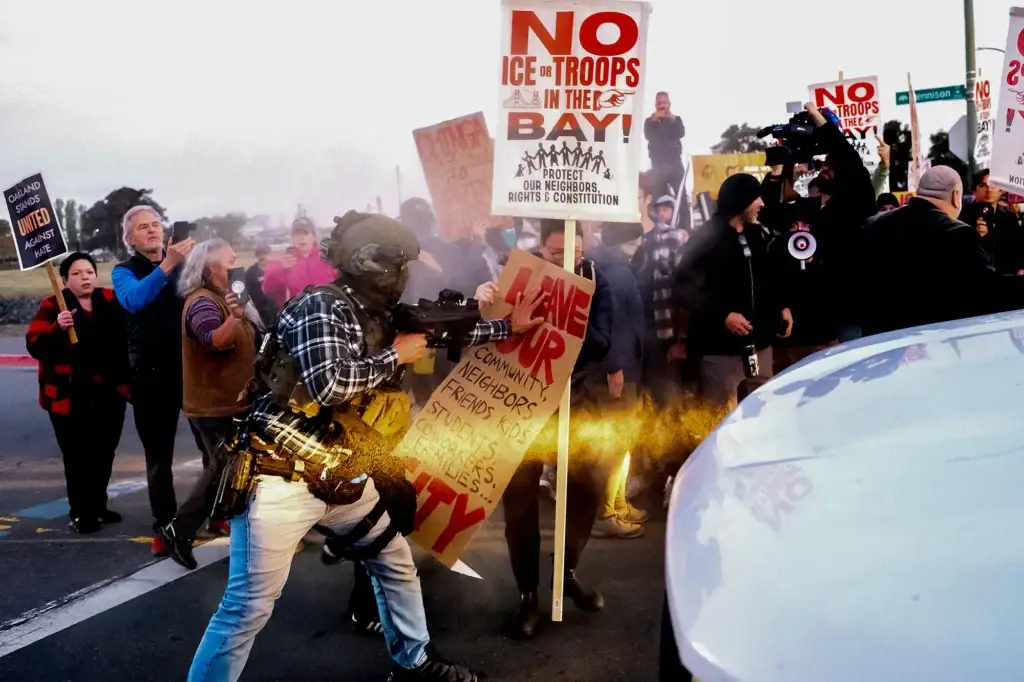
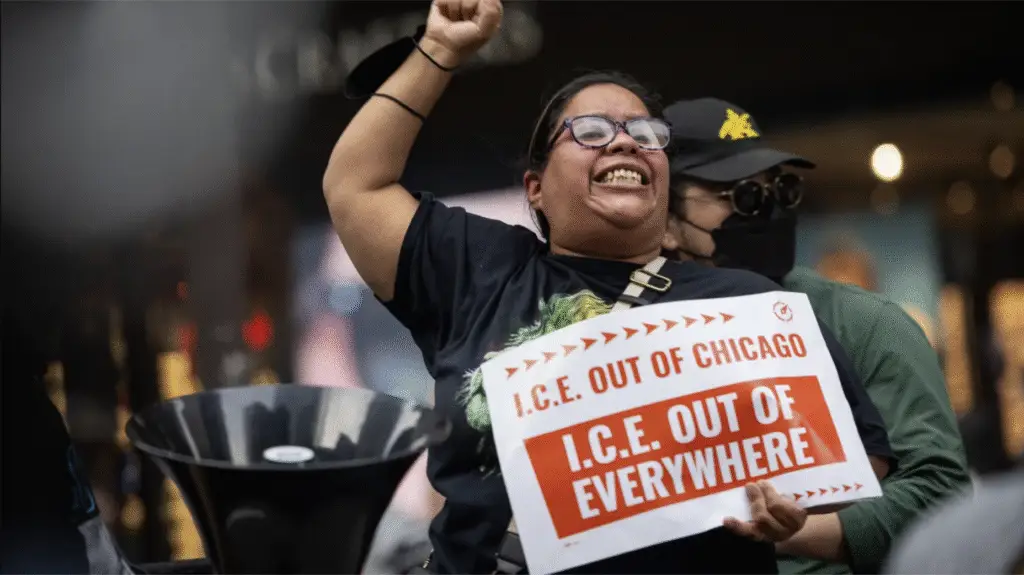
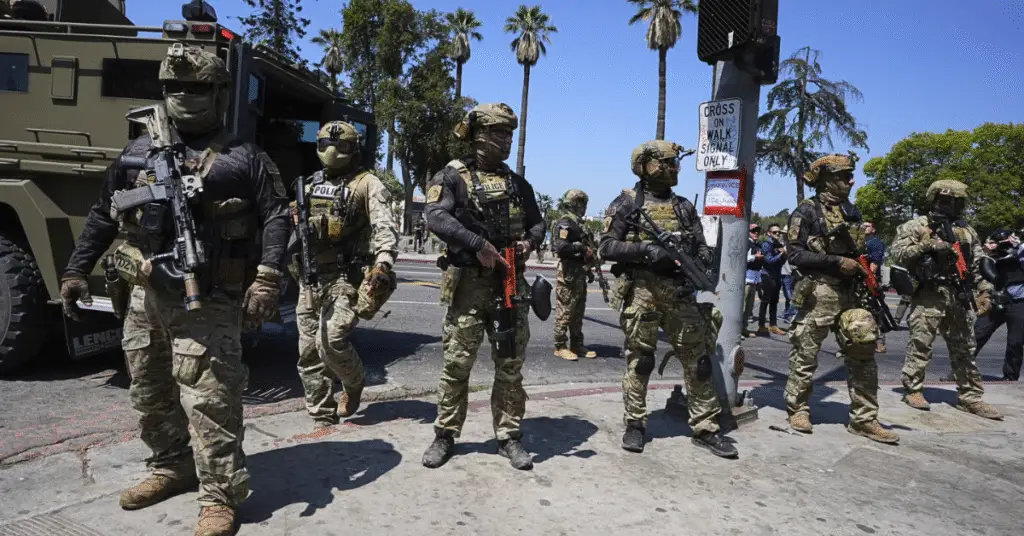
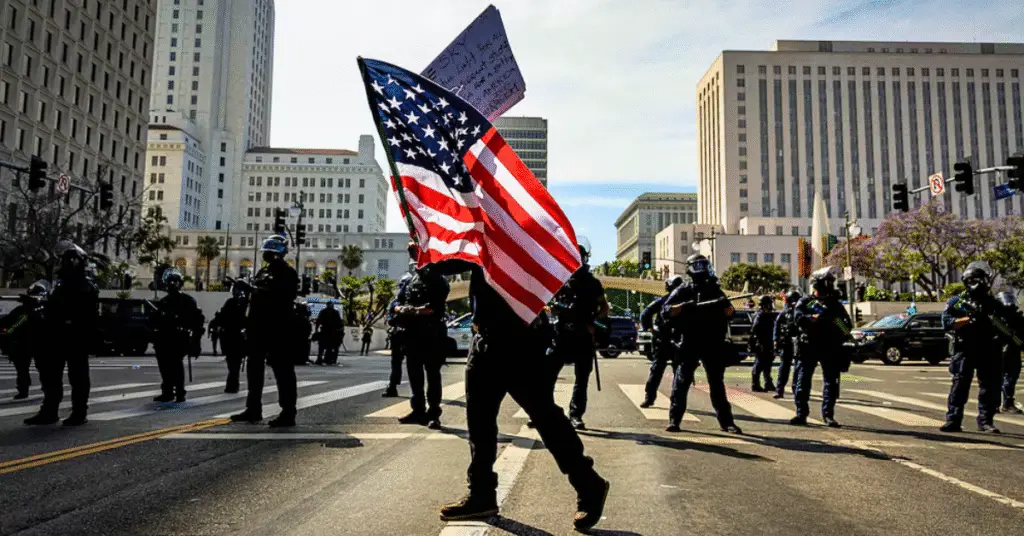
One of the most striking parts of O’Hara’s comments is his worry about community fallout.
When people hear about ICE raids, even if they’re targeted at specific individuals, it can create widespread anxiety.
Immigrants, documented or not, might hesitate to reach out for help, fearing entanglement with federal agents.
O’Hara’s concern that “people who may need help are going to be afraid to call 911” highlights a potential vicious cycle: less reporting leads to under-policed crimes, which in turn strains resources even more.
This isn’t isolated to Minneapolis. Similar sentiments have echoed in other cities where sanctuary policies clash with federal priorities.
It raises bigger questions about how immigration enforcement affects public safety overall. If residents clam up out of fear, does that make neighborhoods safer or more vulnerable?
Broader Implications for Cities Nationwide
As ICE operations potentially intensify—depending on political winds—this stance from a major city’s police chief could set a tone for others.
Departments in places like Chicago, New York, or Los Angeles might face similar dilemmas, weighing local laws against federal pressure. For Minneapolis, it’s clear: the focus stays on curbing local crime with the officers they have.
O’Hara’s appearance on CNN brings these tensions into sharp relief, reminding us that behind the headlines are real people—cops, residents, and immigrants—navigating a complex system.
It’s worth watching how this plays out, as it could influence everything from community-police relations to national immigration debates.
Also Read: A DOJ Whistleblower Now Makes Revelation That Undermines the Judicial System’s Integrity