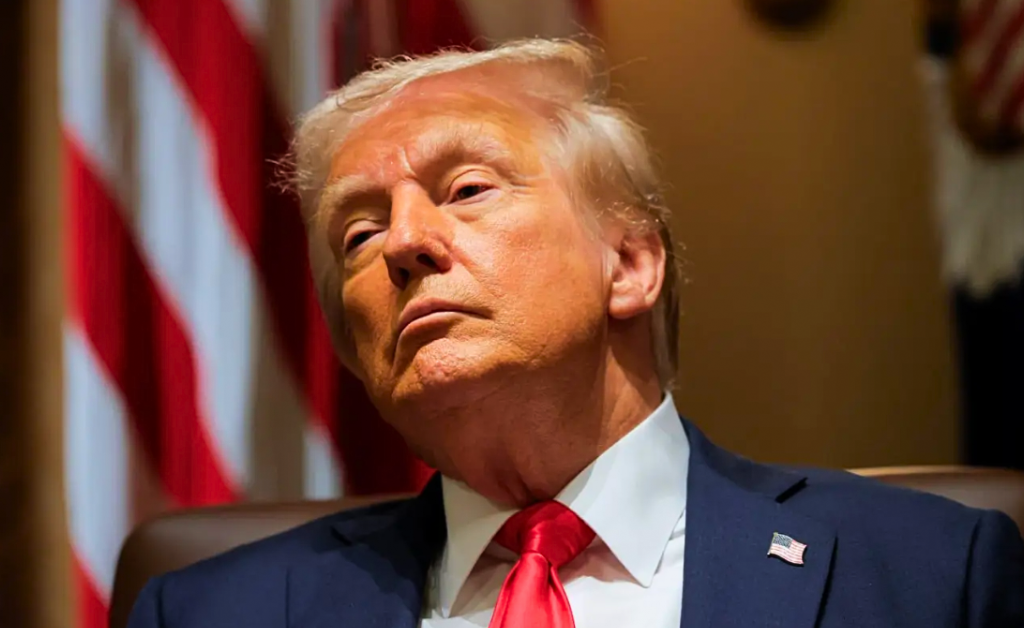


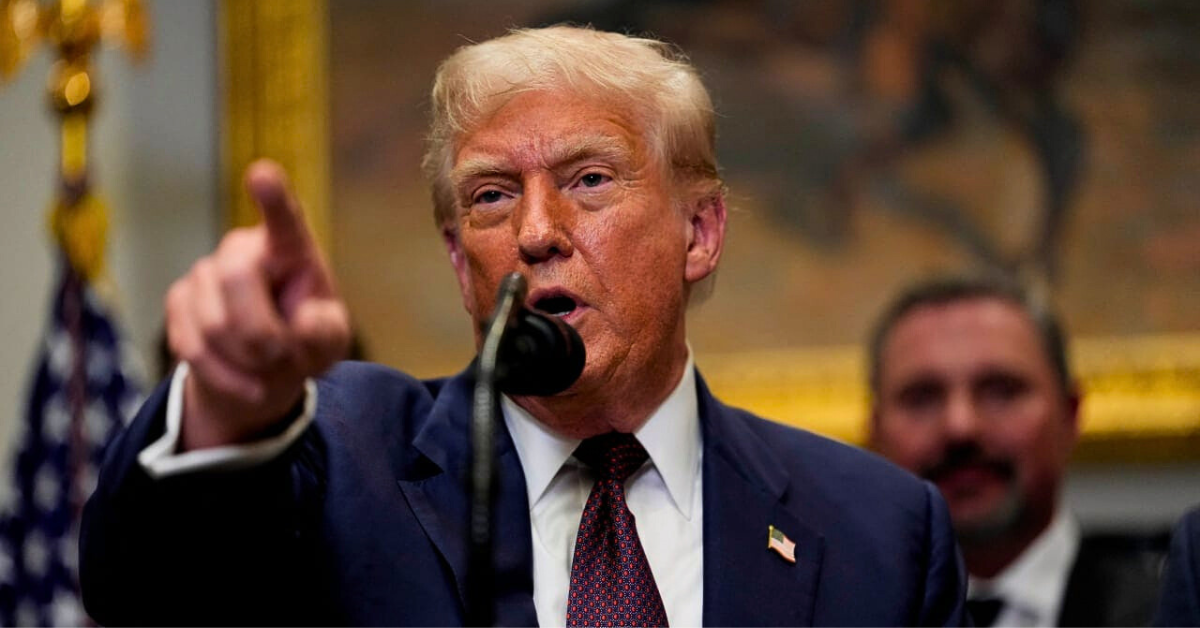
- Trump announced a full pardon for Tina Peters, convicted in Colorado for a 2021 election security breach.
- Colorado officials say the president lacks constitutional authority to pardon state convictions, calling the move unconstitutional.
- Legal experts predict a likely court battle that could reach the Supreme Court over federal pardon limits.
In a move that’s stirring up fresh controversy just weeks into his second term, President Donald Trump announced on Thursday that he is granting a full pardon to Tina Peters, the former Mesa County, Colorado, clerk and recorder who is currently serving a nine-year state prison sentence for her role in a 2021 election security breach.
The declaration, posted on social media, has drawn sharp rebukes from Colorado officials who insist the president has no constitutional authority to interfere with state convictions, potentially setting the stage for a protracted legal battle over the boundaries of federal pardon power.
Trump’s post on Truth Social was characteristically direct.
The FrankNez Media Daily Briefing newsletter provides all the news you need to start your day. Sign up here.
– FNM
He described Peters as a target of political persecution, writing that she is “sitting in a Colorado prison for the ‘crime’ of demanding Honest Elections.”
The president went on to declare, “Today I am granting Tina a full Pardon for her attempts to expose Voter Fraud in the Rigged 2020 Presidential Election!”
Details and Background of the Case

Peters’ case stems from actions taken in 2021, when, as the elected clerk in Mesa County, she allowed an unauthorized individual affiliated with MyPillow CEO Mike Lindell—a prominent supporter of Trump’s unsubstantiated claims of widespread 2020 election fraud—to access the county’s Dominion Voting Systems equipment.
Images from the machines were later shared online, fueling conspiracy theories despite repeated court rulings, audits, and investigations confirming the integrity of the election results and finding no evidence of fraud capable of changing the outcome.
A Colorado jury convicted Peters in August 2024 on seven of 10 charges, including four felonies related to the breach.
She was sentenced to nine years in state prison, a term that has made her a symbol for some on the right as a victim of overreach by authorities intent on silencing election skeptics.
Colorado leaders wasted no time in challenging the pardon’s validity.
Attorney General Phil Weiser issued a strong statement underscoring federalism principles:
“One of the most basic principles of our constitution is that states have independent sovereignty and manage our own criminal justice systems without interference from the federal government.”
He added that “The idea that a president could pardon someone tried and convicted in state court has no precedent in American law, would be an outrageous departure from what our constitution requires, and will not hold up.”
Calls of Unconstitutional Overreach
Secretary of State Jena Griswold was equally unequivocal, stating that “Peters was convicted by a jury of her peers for state crimes in a state Court. Trump has no constitutional authority to pardon her.”
Griswold framed the announcement as part of a larger threat, saying “His assault is not just on our democracy, but on states’ rights and the American Constitution.”
Governor Jared Polis also weighed in, noting that Peters’ prosecution was handled by a Republican district attorney in a Republican-leaning county.
He emphasized that no president has jurisdiction over state convictions and that any resolution would come through the courts.
As of Friday, Peters remains incarcerated in a Colorado state facility, with no immediate changes reported.
Why The Push to Intervene in Peters’ Case?
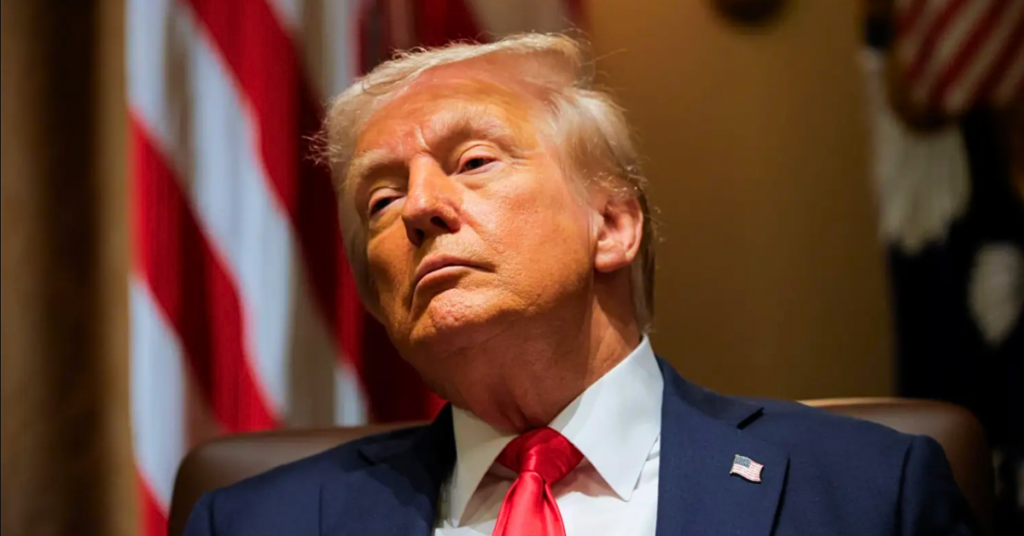
The Department of Justice’s pardon list does not yet reflect any formal action for Peters, and her attorneys have argued in recent filings that a presidential pardon could moot her ongoing state appeal or force her release pending litigation.
However, this isn’t the first time the Trump administration has tried to intervene in Peters’ case.
In November, the Federal Bureau of Prisons requested her transfer to federal custody, a move that could have placed her in a different environment amid reports of her declining health.
Colorado officials resisted, and courts denied previous attempts to shift jurisdiction.
Trump himself had warned in August of “harsh measures” if she wasn’t released.
The constitutional question at the heart of the matter is straightforward yet untested in this context.
Article II of the U.S. Constitution grants the president power to pardon “Offences against the United States,” which legal scholars have long interpreted as limited to federal crimes.
No president has successfully pardoned someone for purely state offenses, and attempts to extend the power beyond federal jurisdiction have historically failed.
Peters’ lawyer, Peter Ticktin, has pushed an alternative theory in letters to the president, suggesting the pardon could apply because her actions touched on a national election.
Some conservative commentators have echoed this, arguing it could force the Supreme Court to clarify the scope of pardon authority under the Supremacy Clause.
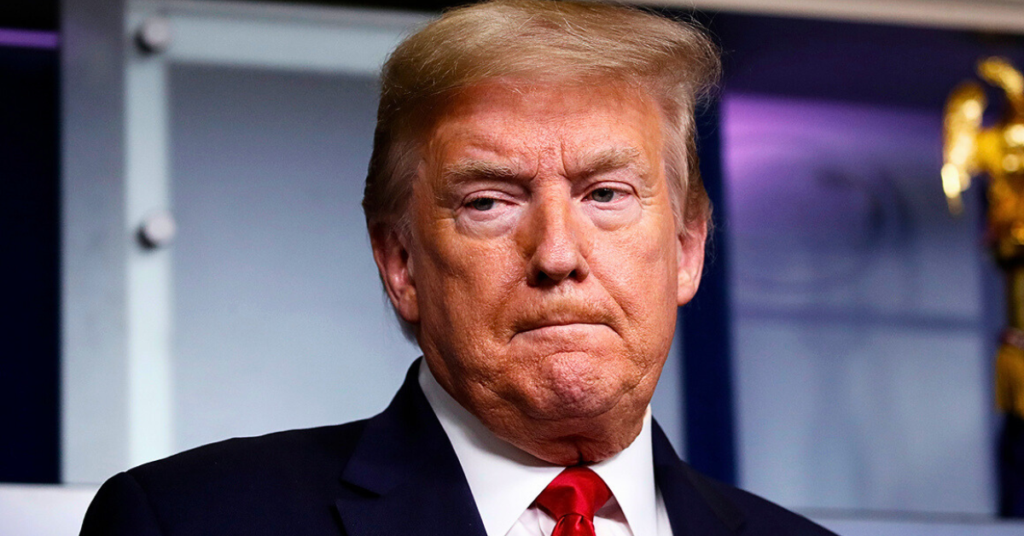
Americans Are Beginning to Question Trump’s Pardons
The pardon announcement comes amid Trump’s broader use of clemency in his second term.
On his first day in office, he issued sweeping pardons for nearly all individuals charged in connection with the January 6, 2021, Capitol events, freeing hundreds and drawing criticism from law enforcement groups.
He has also pardoned figures in unrelated cases, highlighting a pattern of using the power to reward allies or settle perceived scores.
For Peters’ supporters, many of whom gathered at rallies during her trial, the pardon—symbolic or not—validates their view that she was punished for questioning election security.
Critics, including election officials across the country, see her conviction as essential accountability for actions that undermined public trust in democratic processes.
Legal experts predict that if Peters’ team files to enforce the pardon in court, it could climb quickly to higher levels, possibly reaching the U.S. Supreme Court.
In the meantime, the standoff highlights enduring tensions over the 2020 election’s legacy, five years later.
Colorado’s response has been unified across party lines in some respects, with even the district attorney who prosecuted Peters affirming that the president lacks authority here.
What Happens Next?
As the situation unfolds, it serves as a reminder of the delicate balance between federal and state powers in America’s criminal justice system.
Whether this pardon ultimately frees Peters or remains a bold but ineffective gesture will depend on the courts.
For now, it has reignited national conversations about accountability, executive overreach, and the lingering shadows of 2020.
For more on this developing story, set FrankNez Media as a preferred source below.
Also Read: Officials Blow Whistle on Illegal Orders Given by the President
Contact | About | Home | Newsletter
Google is changing how it surfaces content. Prioritize our high-quality news and industry-leading coverage in search results by setting FrankNez Media as a preferred source.