

- Household debt hit $18.6 trillion with surging delinquencies—credit card serious delinquencies 7.1% and auto repossessions rising toward record levels.
- Student loan defaults spiked to 14.3%, leaving millions of young borrowers facing garnishments and crushing long-term impacts on housing and consumption.
In an economy that still feels the echoes of the pandemic, a quiet crisis is building—one where everyday Americans are juggling bills they can no longer afford.
Household debt has soared to a staggering $18.6 trillion as of the third quarter of 2025, up $228 billion from just three months prior, according to the New York Federal Reserve’s latest Household Debt and Credit report.
It’s not just a number on a spreadsheet; it’s a sign of deeper troubles rippling through families, communities, and potentially the broader market.
The FrankNez Media Daily Briefing newsletter provides all the news you need to start your day. Sign up here.
Credit Cards, Housing, Groceries, and Car Loans

Take credit cards, for instance. Balances on those plastic lifelines have ballooned by $24 billion in the same period, hitting an all-time high.
Worse, the percentage of accounts seriously delinquent—meaning 90 days or more past due—has climbed to 7.1 percent.
That’s a level reminiscent of the financial meltdown back in 2008, when the housing bubble burst and dragged the world into recession.
For millions, swiping that card for groceries or gas isn’t a choice anymore; it’s a desperate holdover from better days.
Auto loans are painting an equally grim picture. Delinquency rates for car payments have reached 3 percent, the highest since 2010, right around the time the Great Recession’s aftershocks were still being felt.
The fallout? Repossessions are surging. Data from the Recovery Database Network shows 2.2 million vehicles already yanked back by lenders this year, with projections pointing to a record-shattering 3 million by December 31.
Imagine the gut punch: losing your ride to work, your way to school drop-offs, all because the monthly payment edged just out of reach.
This isn’t isolated to wheels and plastic. Student loans, long a millstone around young graduates’ necks, are defaulting at a breakneck pace.
Rates jumped from a mere 0.8 percent in late 2024 to 14.3 percent now, triggered by the end of pandemic-era payment pauses that had offered a temporary reprieve.
An analysis of Department of Education data by the American Enterprise Institute reveals the scale: 5.5 million borrowers in outright default, plus another 3.7 million teetering more than 270 days behind.
These aren’t faceless stats—they’re twentysomethings staring down garnished wages or ruined credit scores before they’ve even landed stable careers.
Experts Weigh in on Economic Woes
Experts watching this unfold aren’t mincing words.
“Delinquencies, defaults, and repossessions have shot up in recent years and look alarmingly similar to trends that were apparent before the Great Recession,” warns a recent report from the Consumer Federation of America.
It’s a chilling parallel, one that evokes memories of foreclosures and job losses cascading like dominoes.
Economists like Lucia Dunn, a professor at Ohio State University, see the big-picture peril.
“I think all the debt figures pose a very significant threat to our economy,” she said.
“Probably any policy to deal with this may just be kicking the can down the road.”
Her concern? Short-term fixes might delay the inevitable without addressing root causes like stagnant wages clashing against relentless inflation.
Domonkos F. Vamossy, another economist, labels the surge “historic” and “highly unusual.”
Speaking to Newsweek, he highlighted how even top-tier borrowers—those with stellar credit scores and clean payment histories—are slipping.
Auto loans, once viewed as rock-solid, have flipped to the riskiest bet in the lending game.
“Many are prime borrowers with high credit scores and no prior history of default,” Vamossy noted.
He pins the blame squarely on post-COVID inflation that never fully cooled, compounded by sky-high interest rates squeezing household budgets.
Throw in a softening job market—hiring slowdowns hitting recent grads hardest, with layoffs nibbling at employment edges—and you’ve got a perfect storm.

The Effects on Gen Z and Millennials
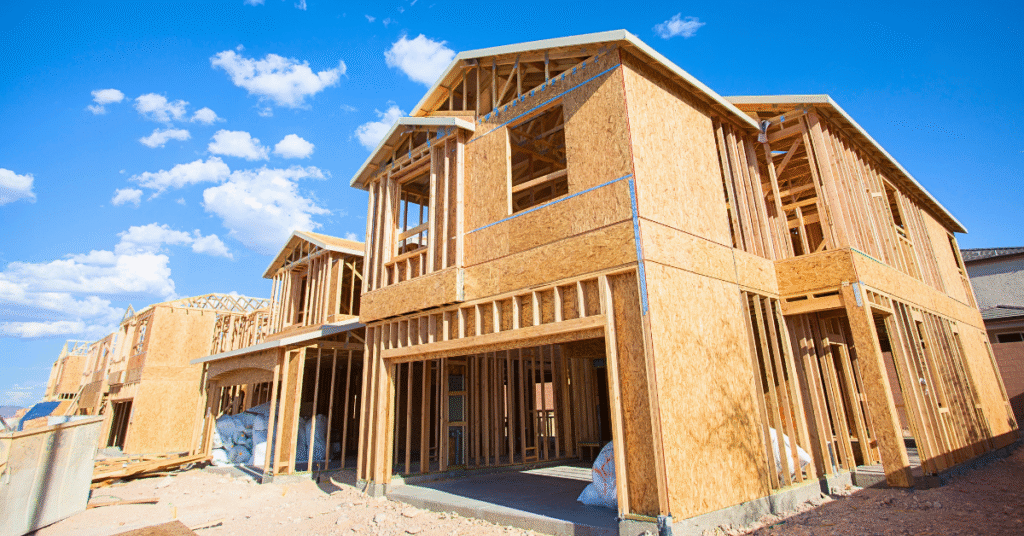
The knock-on effects could stifle growth in ways we’re only starting to grasp. As more young people drown in student debt, they’re pulling back on big-ticket buys like homes or even starting families.
“More delinquent student loans will dampen credit demand and consumption, especially among Gen Z, Millennial and Gen X borrowers,” observes a KPMG analysis.
“That is contributing to the stress in the housing sector where the age of the average first-time buyer is climbing.”
We’re talking delayed dreams: older first-time homeowners, fewer kids, a fertility rate already scraping lows that could reshape demographics for decades.
Not everyone’s ringing alarm bells at full volume, though.
Is It All Gloom?
Florian Exler, a consumer debt specialist and economics professor, points to some silver linings amid the gloom. Write-off rates—the point where lenders finally call it quits and eat the loss—aren’t spiking wildly.
“Write-off rates do not look unusually high by historical standards. In fact, credit card write-offs have started to decline again,” he told Newsweek.
He chalks up some of the uptick to a post-pandemic “normalization,” after government aid, payment freezes, and muted spending kept delinquencies artificially low during COVID.
It’s a reminder that what looks like a cliff might just be a ledge.
Still, Vamossy urges caution, viewing this as more than a hiccup.
“We face a supply-side crisis in housing that 40- or 50-year mortgages cannot fix,” he said.
His fear isn’t a sudden crash à la 2008, but a “slow, grinding deterioration of financial health” that erodes stability—pushing up homeownership ages, denting birth rates, and fraying the social safety net.
What Happens Next?
As 2025 draws to a close, the question hangs heavy: Is this the canary in the coal mine for another downturn, or a bumpy but survivable road?
Lenders are already reacting, tightening credit standards and dialing back new loans, which could further choke off access for those who need it most.
For the millions caught in this web, it’s not abstract economics—it’s skipped meals, tense family talks, and the gnawing worry of what comes next.
Policymakers and the Fed might need to step in with more than tweaks if they want to keep the wheels turning.
Also Read: Trump’s $2,000 Tariff Dividend Checks Now Set for 2026 Rollout