


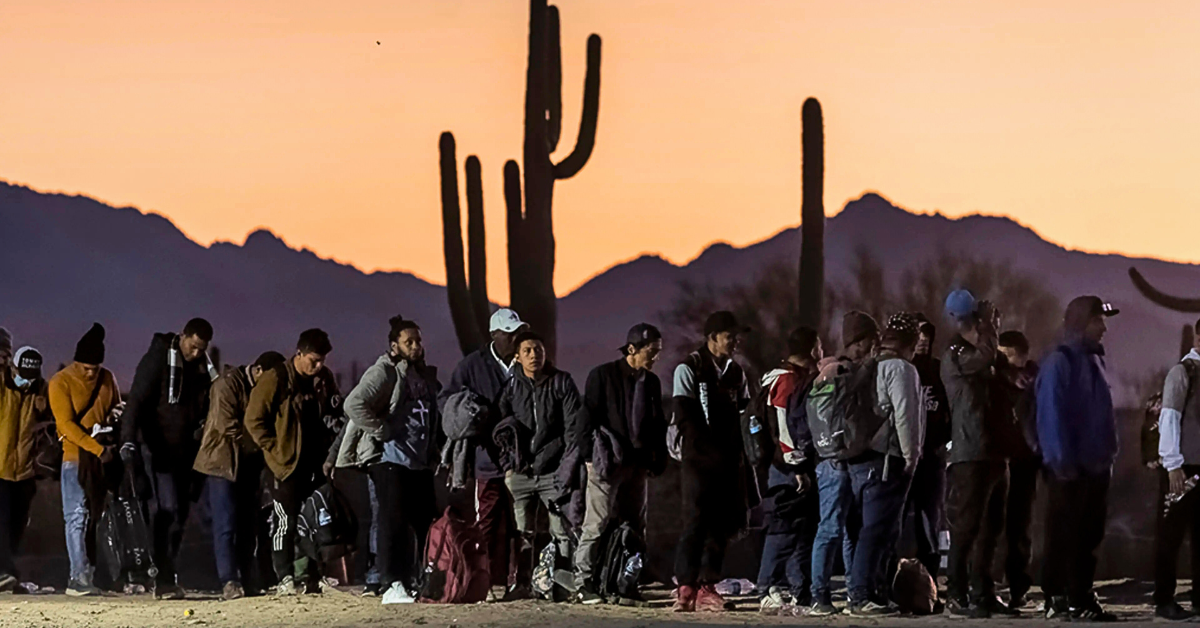
- Conservative Republicans introduced the PAUSE Act to temporarily halt almost all immigration to overhaul perceived abuses in the system.
- The bill would freeze admissions except tourists, tighten visas, end extended chain migration, and limit federal benefits for immigrants.
- Supporters claim the pause protects jobs, national security, and assimilation; it has multiple GOP co-sponsors and advocacy group backing.
A handful of conservative Republican lawmakers are pushing a controversial bill that would temporarily halt nearly all immigration to the United States, arguing it’s essential to overhaul a system they say has been abused for decades.
The legislation, known as the PAUSE Act of 2025 (H.R. 6225), was introduced last month by Representative Chip Roy of Texas and has quickly picked up support from like-minded colleagues who believe a drastic pause is needed to protect American workers, national security, and cultural assimilation.
As immigration remains a hot-button issue heading into the new Congress, this bill represents one of the strongest calls yet from within the GOP for a comprehensive reset.
The FrankNez Media Daily Briefing newsletter provides all the news you need to start your day. Sign up here.
– FNM
Proponents highlight how such a measure could finally address long-standing loopholes, reduce taxpayer burdens, and ensure future immigration truly benefits the country—allowing time for reforms that prioritize skilled, assimilating entrants over mass inflows.
The Core of the PAUSE Act
Introduced on November 20, 2025, the Pausing All Admissions Until Security Ensured (PAUSE) Act would freeze all immigration admissions—except for temporary tourist visas—until Congress enacts specific reforms.
These include barring immigrants from accessing certain federal benefits, tightening rules on programs like H-1B visas, ending chain migration beyond nuclear families, clarifying birthright citizenship, and permanently terminating the diversity visa lottery.
According to Roy’s office, the goal is straightforward: give lawmakers breathing room to fix a broken system that’s been on “auto-pilot for decades,” leading to record levels of foreign-born residents and strains on resources.
Supporters point out that this isn’t about closing doors forever but creating a fairer process—one that puts American citizens first and prevents exploitation of legal pathways.
The bill has garnered endorsements from key advocacy groups, including the Immigration Accountability Project (IAP), Citizens for Renewing America, and the National Immigration Center for Enforcement.
Rosemary Jenks, co-founder of IAP, praised it as providing “exactly the ‘PAUSE’ in immigration that is necessary for America to get our house in order.”
She added that a national conversation on policies serving American interests is “long overdue.”Similarly, RJ Hauman of the National Immigration Center for Enforcement called it a “practical enforcement measure” that would pause admissions until security standards are established, closing “pull factors” and restoring order.
Lawmakers Standing Firm

As of mid-December 2025, the PAUSE Act has nine Republican co-sponsors, including the lead sponsor:
- Chip Roy of Texas
- Andy Biggs of Arizona
- Keith Self of Texas
- Andrew Ogles of Tennessee
- Lauren Boebert of Colorado
- Brandon Gill of Texas
- Randy Fine of Florida (also listed in some reports as from Florida)
- Elijah Crane of Arizona
- Byron Donalds of Florida
Byron Donalds joined on December 1, 2025, becoming the most recent addition and bringing fresh momentum just weeks after the bill’s introduction.
These representatives, many from border states or conservative strongholds, share a view that both illegal and legal immigration need urgent attention.
Chip Roy’s Strong Defense
Rep. Chip Roy has been vocal in promoting the bill, appearing on Fox News with host Will Cain on December 12, 2025, to explain its necessity.
“The truth is, when you’ve got the situation we have with wide open borders under Biden and Mayorkas—or, importantly, through the legal channels with the abuse of H-1B visas, the abuse of diversity visas, the abuse of chain migration—when you have people that are being put on welfare,” Roy said.
“They denied it for a long time because it does not sell very well. But they’re basically acknowledging it.”
He referenced historical precedents, noting that the U.S. effectively paused immigration around 1920 to allow assimilation during a time of high foreign-born populations.
Roy pointed to current figures: about 51.5 million foreign-born individuals in the U.S., representing 16% of the population—the highest since the early 1900s.
In the interview, he emphasized the need to “pause and then… reset all of those issues,” arguing that many recent arrivals do not assimilate as past generations did.
This temporary halt, he said, would reclaim sovereignty and ensure the system benefits Americans.
GOP Immigration Debates

The PAUSE Act emerges amid intense Republican focus on immigration reform.
Around the same time Roy introduced his bill, Rep. Marjorie Taylor Greene proposed phasing out the H-1B visa program entirely—a key tech industry tool that has approved around 400,000 visas in recent years, including renewals.
These efforts reflect internal GOP discussions: while some favor targeted fixes, hardliners like Roy push for sweeping changes.
Proponents argue a pause would prevent further abuses, protect jobs for American workers, and reduce costs to taxpayers from benefit access.
Though many have called this explanation ‘bull shit’, as majority of immigrants work the jobs Americans don’t want, and taxes have continuously gone up on every front.
“If they can send us to war, to Jury, what’s going to stop them from sending us to farms when immigrants are gone?,” one reader emailed FrankNez Media when responding to a newsletter.
However, the pause could enhance security by barring entrants linked to extremist ideologies or hostile nations.
Historical parallels are often drawn to the early 20th century, when laws like the Emergency Quota Act of 1921 and the Immigration Act of 1924 drastically limited inflows, favoring certain nationalities and allowing time for integration.
Roy and supporters see similar benefits today: a chance to assimilate existing populations and build a merit-based system.
Outside advocacy has amplified the message.
The Immigration Accountability Project has highlighted how unchecked legal immigration harms workers and costs billions, while groups like Citizens for Renewing America stress putting “Americans back in charge.”
What Happens Next?
As the Trump administration takes steps on border security and related issues, bills like the PAUSE Act underscore the party’s commitment to major overhaul.
With immigration expected to dominate the agenda, this legislation could spark wider debate on what a reformed system should look like—one that supporters say would ultimately strengthen the nation by ensuring controlled, beneficial inflows.
In a time of record migration pressures, the growing backing for the PAUSE Act signals a potential shift toward more restrictive policies, aimed at long-term gains for security, economy, and unity.
For more updates like this, set FrankNez Media as a preferred Google source below.
Also Read: Trump’s Latest Executive Order is Now Under Fire by GOP
Contact | About | Home | Newsletter
Google is changing how it surfaces content. Prioritize our high-quality news and industry-leading coverage in search results by setting FrankNez Media as a preferred source.











Exodus 20:7 KJV.
December 13, 2025Great idea!! We’re full amigos.🇺🇸🇺🇸