

- Atkins proposes simplifying disclosure rules to reduce regulatory burdens and revive capital formation and IPO activity.
- He frames the shift as a return to free‑market principles, contrasting current heavy rulemaking under prior leadership.
- Retail investors remain skeptical, demanding enforcement on naked shorts, FTDs, dark pools, and real market protections.
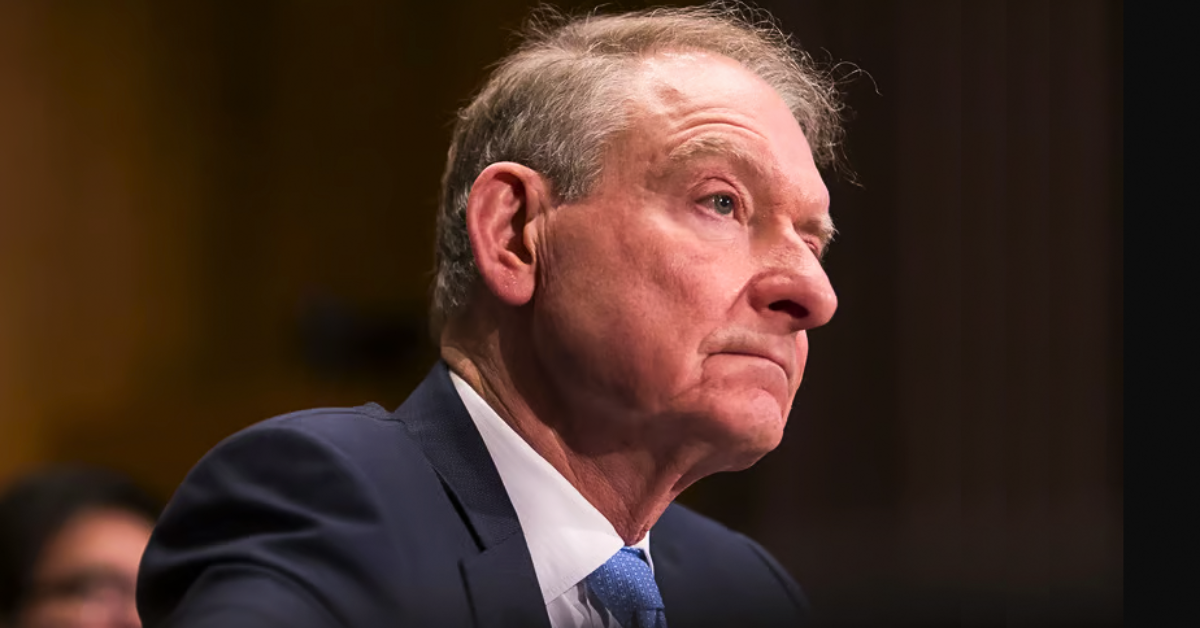
In a bold op-ed published just yesterday in The Wall Street Journal, newly appointed SEC Chairman Paul S. Atkins laid out his vision for breathing new life into America’s financial system.
Titled “The SEC Is Reviving American Capital Markets,” the piece comes at a time when markets are buzzing with optimism about deregulation under the current administration.
But as Atkins celebrates the historical power of free markets, a groundswell of frustration from everyday retail investors tells a different story—one of broken trust, unchecked manipulation, and a regulatory body that’s long failed to protect the little guy.
The FrankNez Media Daily Briefing newsletter provides all the news you need to start your day. Sign up here.
Let’s dive into what Atkins is saying, why it matters, and why so many retail traders are rolling their eyes.
If you’re one of the millions who’ve poured money into stocks only to feel like the deck is stacked against you, stick around.
This isn’t just another dry policy rundown; it’s about whether the system can finally work for everyone, or if it’s all just more talk.
A Historical Nod to America’s Market Magic
Atkins kicks off his piece with a patriotic sweep through history, tying the nation’s upcoming 250th anniversary to the enduring strength of its capital markets.
“America marks its 250th anniversary next year. Our founders understood that markets can unleash a nation’s dynamism as no monarch or government ministry possibly could,” he writes.
He paints a vivid picture of how securities markets fueled America’s rise: “The steel that built our cities, the oil that powered our factories, and the electricity that illuminated our homes were carried forward by domestic and foreign investors willing to stake capital on an America still in formation.”
He contrasts this with failed top-down systems like the Soviet Union, arguing that America’s edge came from “a system that rewards those who take risks.”
It’s stirring stuff, the kind that reminds you why markets have been the engine of innovation.
But Atkins isn’t just waxing nostalgic—he’s setting the stage for his agenda at the SEC.
The Promise of Simpler Rules: A Fix for Overregulation?
The subtitle says it all: “Simpler disclosure rules will help companies and investors.”
Atkins hints at a shift away from what he sees as burdensome regulations that have stifled growth in recent years.
Snippets from the piece circulating on social media, like this one from a Facebook post by WSJ Opinion, reveal more: “Principles don’t preserve themselves. In recent years, our regulatory direction has drifted from these principles.”
It’s a not-so-subtle jab at the previous SEC leadership under Gary Gensler, whose aggressive rulemaking—on everything from climate disclosures to crypto oversight—drew fire from industry insiders for going too far.
Atkins, a former SEC commissioner with deep ties to Wall Street, argues that streamlining these rules will unlock capital, make it easier for companies to go public, and attract more investment.
In his view, this revival isn’t radical; it’s a return to the core principles that made America an economic powerhouse.
As he puts it in the op-ed, “The securities markets soon emerged to unlock the most daring mobilization of capital in history.”
If implemented, these changes could lower costs for businesses and open doors for more IPOs, potentially boosting stock values across the board.
But here’s the big question: Will this actually help the average Joe trading from his phone?
Or is it just another win for big institutions?
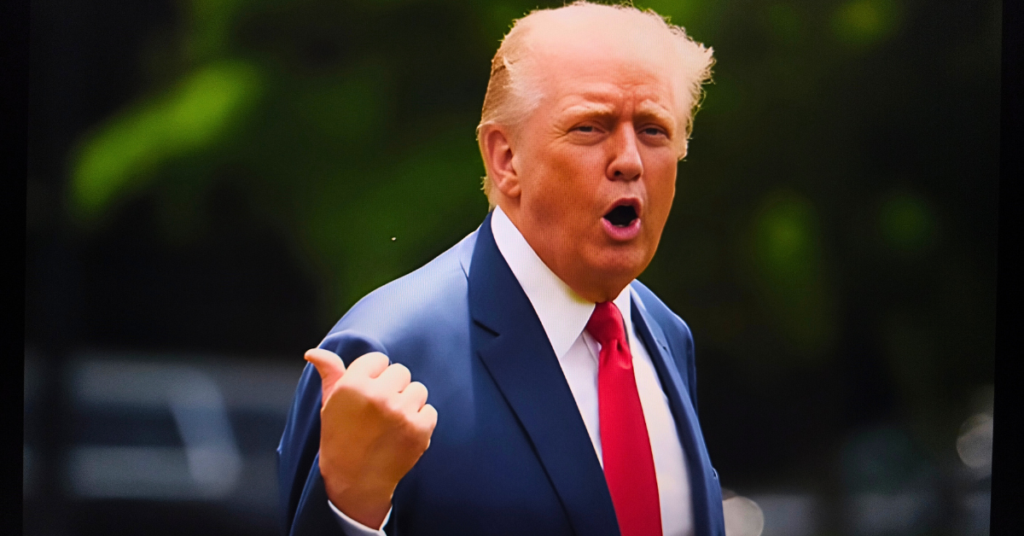
Retail Investors Speak Out: Years of Betrayal and Broken Promises
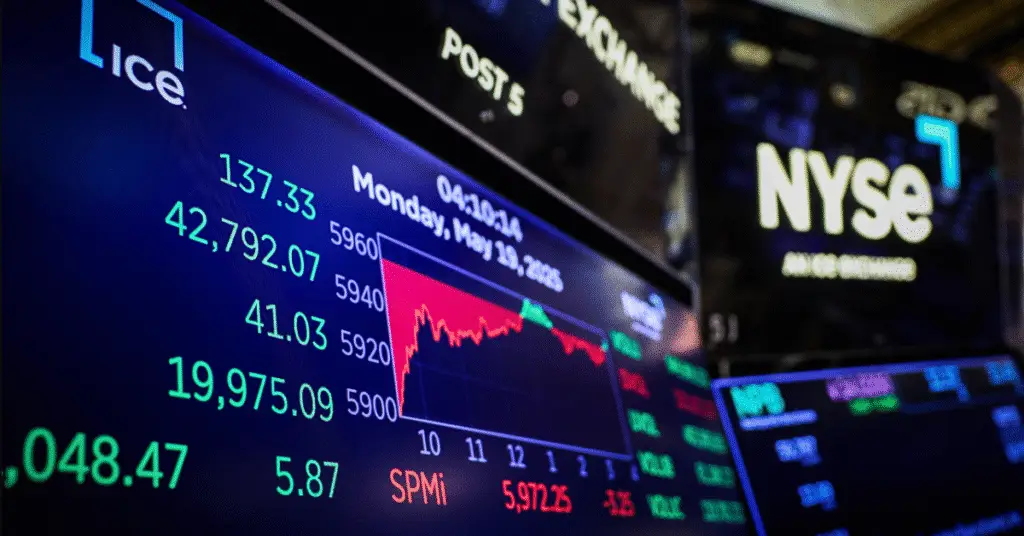
While Atkins’ words might resonate in boardrooms, scroll through X (formerly Twitter), and you’ll find a very different vibe from retail investors.
These folks—the ones who jumped into the market during the pandemic boom—feel burned by an SEC they see as complicit in a rigged game.
From naked shorting to dark pool abuses, their complaints paint a picture of a regulator that’s looked the other way while hedge funds and market makers run roughshod over everyday traders.
Online users say the SEC needs to be worried about retail investors having the confidence to invest in a “rigged market.”
They believe regulators must do something about the naked shorting, excessive FTDs, dark pool abuse and PFOF.
Investors lament that the markets are out of control and rewards cheaters rather than loyal investors.
But will simpler disclosures address the core issues retail investors are screaming about—like enforcement against naked shorts, failure-to-delivers (FTDs), and off-exchange trading that hides real price discovery?
The new chair has his work cut out. With the administration pushing for less red tape, there’s potential for real change.
Yet, as Dave W noted in a 2024 post critiquing the old regime: “The SEC has targeted the MOST compliance oriented firms for lawsuits while failing to provide answers to basic questions.”
“Enforcement is a joke. Either completely inept or corrupt,” says one user on X.
What Happens Next?
If Atkins wants to revive trust along with markets, he’ll need to go beyond history lessons and tackle these pain points head-on.
Retail isn’t buying the hype yet—they’ve been burned too many times.
What do you think? Is this the start of a fairer system, or more of the same?
Drop your thoughts below and keep watching as this unfolds. The markets might be reviving, but rebuilding faith?
Now that’s the real challenge.
Also Read: Short Sellers Are Now Throwing One Another Under the Bus