


- Federal judge ordered unsealing of Epstein grand jury transcripts under the new Epstein Transparency Act, overruling long-standing grand jury secrecy.
- Transcripts could expose prosecutorial failures, names of enablers, and ignite further accountability, though redactions and privacy concerns remain contested.
In a decision that could finally peel back decades of secrecy surrounding one of America’s most notorious sex-trafficking scandals, a federal judge in Florida has greenlit the unsealing of grand jury transcripts from the early probes into Jeffrey Epstein’s crimes.
The ruling, handed down late last week, marks a pivotal moment in the ongoing push for accountability, driven by a new federal law aimed at dragging Epstein’s shadowy dealings into the light.
U.S. District Judge Rodney Smith, a Trump appointee overseeing cases in Florida’s Southern District, granted the Department of Justice’s expedited motion to unseal the documents on Friday.
The FrankNez Media Daily Briefing newsletter provides all the news you need to start your day. Sign up here.
– FNM
The transcripts stem from two separate grand juries convened in the mid-2000s during the initial federal investigation into Epstein’s alleged trafficking of underage girls.
Back then, those probes fizzled out without indictments, leading instead to a controversial non-prosecution agreement that let Epstein plead guilty in state court to lesser charges—charges that critics have long decried as a sweetheart deal for a billionaire predator.
Details of the Legal Order
Smith’s order didn’t mince words.
In it, he wrote: “The Act applies to unclassified records, documents, communications, and investigative materials that relate to Jeffrey Epstein and Ghislaine Maxwell.
Consequently, the later-enacted and specific language of the Act trumps Rule 6’s prohibition on disclosure.
Accordingly, it is ORDERED that United States’ Expedited Motion to Unseal Grand Jury Transcripts and Modify Protective Order…is GRANTED.”
At the heart of this breakthrough is the Epstein Transparency Act, passed earlier this year amid mounting public outrage over the slow drip of revelations from Epstein’s web of abuse.
The law mandates the disclosure of related materials within 30 days, with narrow exceptions for protecting victims or ongoing probes.
Smith ruled that its provisions override the usual federal rules shielding grand jury secrecy—Rule 6 of the Federal Rules of Criminal Procedure—which had previously blocked similar DOJ requests.
This isn’t the first time the government has tried to crack open these files.
Earlier bids, before the Act became law, were shot down by courts in Florida and New York.
But now, with the legislative hammer in hand, momentum is building. Smith is the first of three federal judges tapped by the DOJ to weigh in on unsealing Epstein and Maxwell-related grand jury materials.
The other two, in New York, are slated to rule next week on dockets tied to Maxwell, Epstein’s convicted accomplice who was sentenced to 20 years in prison in 2022 for her role in the trafficking ring.
Why These Transcripts Matter Today
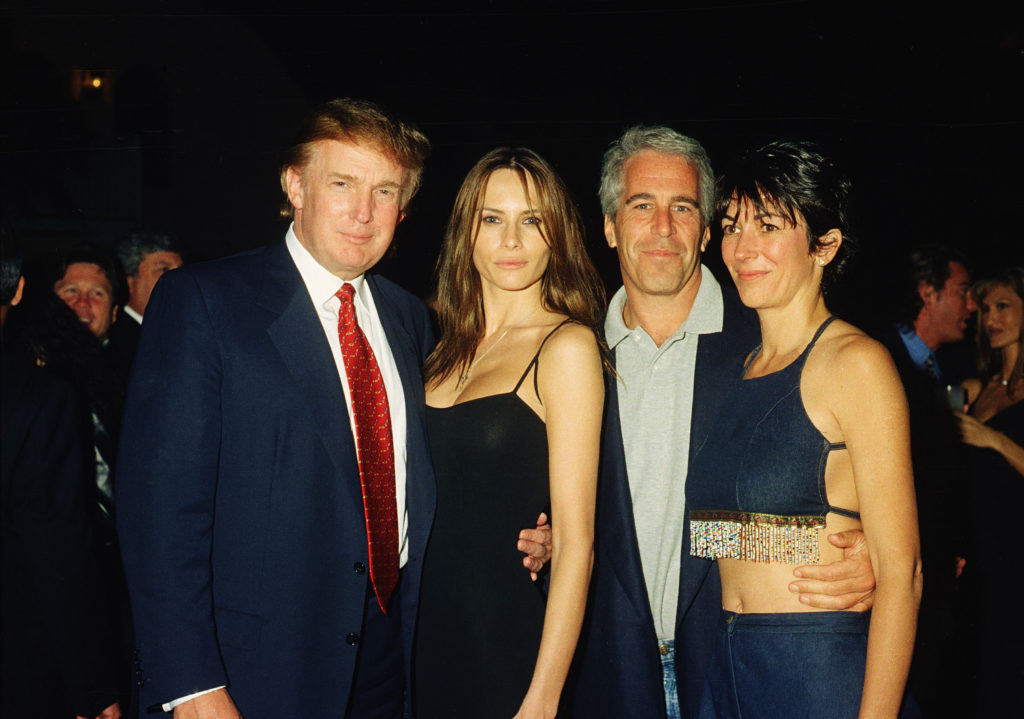
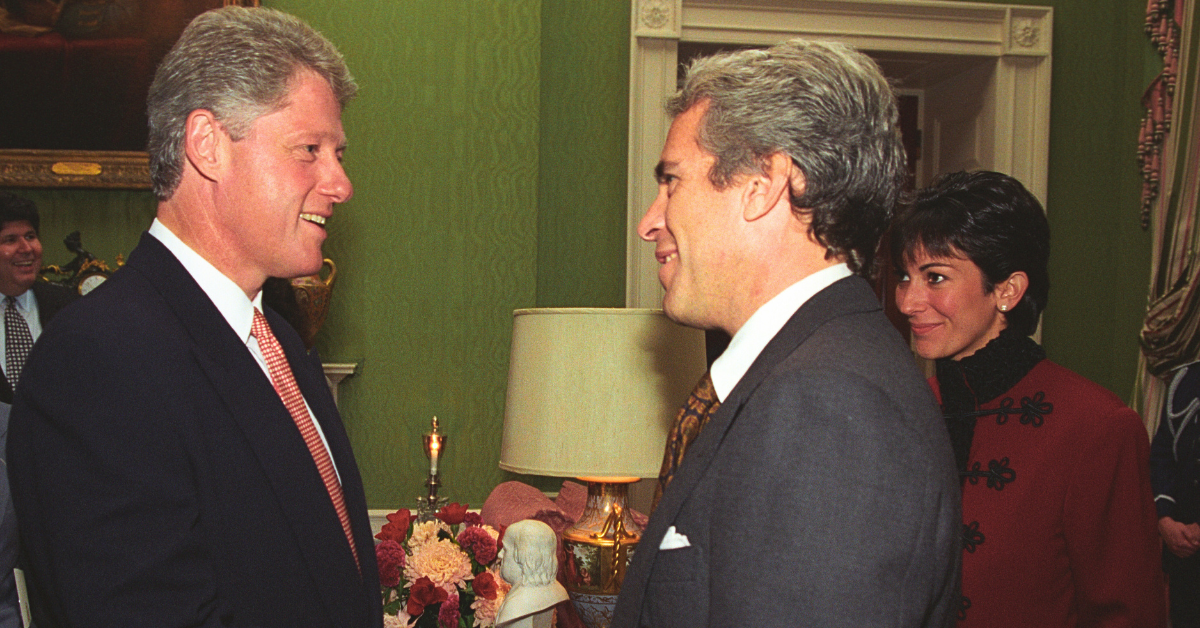
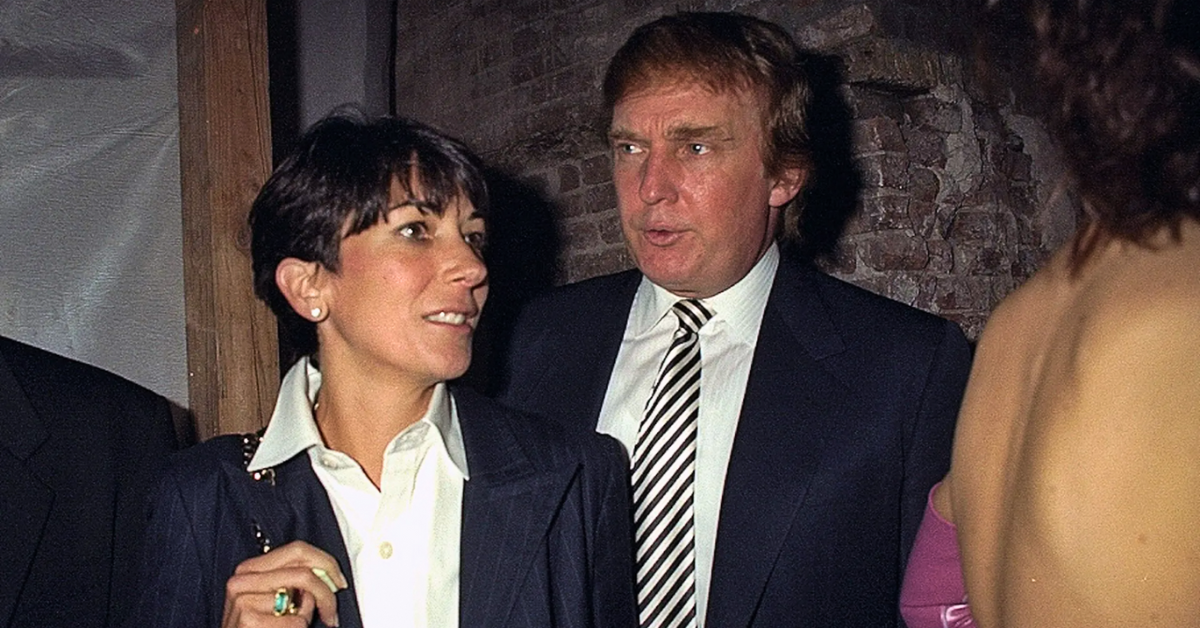

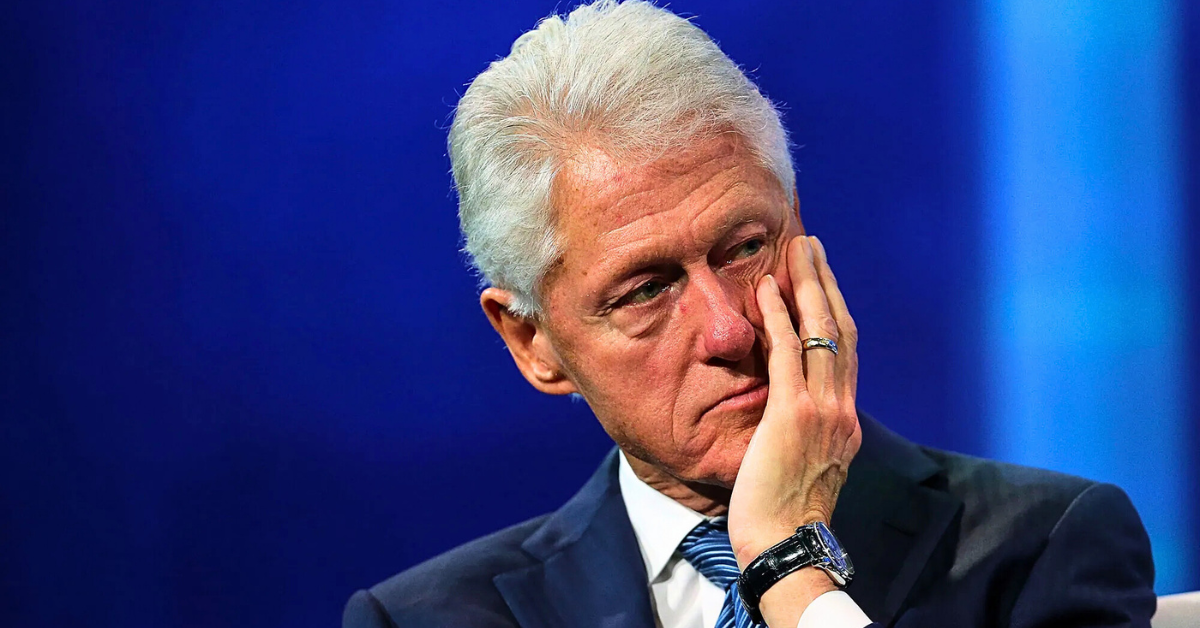
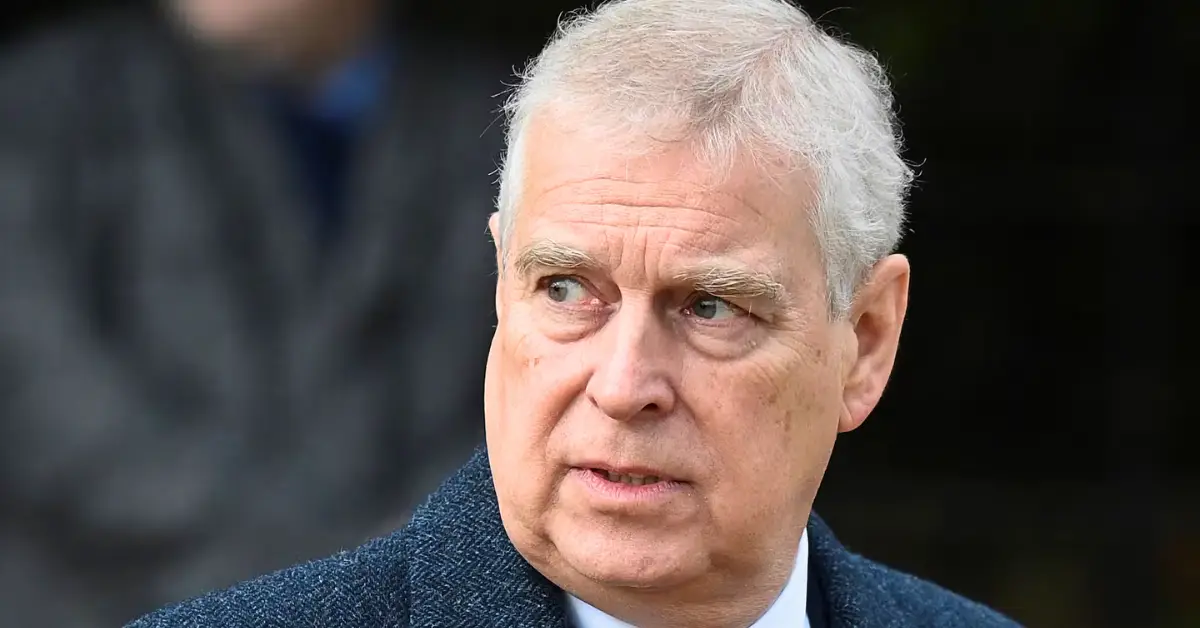
The Florida transcripts could reveal explosive details about what prosecutors knew—and why they didn’t act—more than 15 years ago.
Epstein, the financier with connections to presidents, princes, and celebrities, died by suicide in a Manhattan jail cell in 2019 while awaiting trial on federal sex-trafficking charges.
His death only amplified calls for transparency, as victims and advocates argued that the full scope of his enablers remained hidden.
Yet, the path forward isn’t entirely clear.
Smith’s ruling sidesteps the thorny issue of redactions, leaving it to the DOJ to scrub sensitive details before any public release.
Officials have pledged to prioritize victims’ privacy, a nod to the trauma inflicted on dozens of women and girls whose lives were upended by Epstein’s operation.
The Act itself carves out protections against “clearly unwarranted invasions of personal privacy” or anything that could identify victims.
That caution is already echoing in the New York proceedings.
There, judges have fielded a flurry of objections from witnesses, victims, and even tangential figures worried about collateral damage from the disclosures.
Annie Farmer, one of the key witnesses who testified against Maxwell at her 2021 trial, submitted a letter urging the courts to affirm that the DOJ’s motions don’t undermine the broader Transparency Act.
Through her attorney, Sigrid McCawley—who represents Farmer and other accusers—Farmer expressed cautious optimism.
McCawley wrote: “While Ms. Farmer remains hopeful that the instant motions reflect a bona fide desire by the Government to provide greater transparency into Epstein’s crimes, she is wary of the possibility that any denial of the motions may be used by others as a pretext or excuse for continuing to withhold crucial information concerning Epstein’s crimes.”
Farmer’s plea underscores a deeper frustration: the DOJ is sitting on some 300 gigabytes of Epstein-related data, and victims want it all out in the open, redacted responsibly.
But she’s also pushing judges to make “abundantly clear” that these rulings won’t handcuff the government’s obligations under the Act.
The Investigation That May Change America as We Know It
The New York filings reveal other layers of resistance.
Attorneys for two men—one a potential Maxwell trial witness who never took the stand, the other whose name once surfaced in civil suits against Maxwell—have fired off letters demanding redactions.
Avrom Robin, representing the untried witness, argued: “I submit that all personally identifiable information regarding my client is within the ambit of the Act’s permitted withholdings and that this information must be redacted pursuant to the Act, because that disclosure without redaction would constitute a clearly unwarranted invasion of my client’s personal privacy.”
Both men contend the Act doesn’t explicitly cover grand jury materials, urging denial of the unsealing motions outright.
If that’s off the table, they insist on heavy blackouts for their clients’ names.
The DOJ has until Monday to fire back with responses to these concerns, setting the stage for what could be a tense few days in the federal courts.
As the December 19 deadline looms for the DOJ to comply with the Transparency Act, this unfolding saga raises bigger questions about justice delayed.
Why did federal prosecutors in 2006 opt for a plea deal that shielded Epstein from the full weight of the law?
What names might emerge from those dusty transcripts, and will they finally face scrutiny? For survivors like Farmer, the answer can’t come soon enough—it’s not just about history but about ensuring the patterns of power and predation don’t repeat.
The clock is ticking, and with two more judges poised to rule, the Epstein files could soon shatter more illusions.
In a case that’s already rewritten how we view elite impunity, these disclosures might just be the reckoning long overdue.
Also Read: A DOJ Whistleblower Now Makes Revelation That Undermines the Judicial System’s Integrity
Contact | About | Home | Newsletter