


- J&J Snack Foods will close three manufacturing plants in Georgia, North Carolina, and California as part of Project Apollo consolidation.
- Project Apollo expected to deliver at least $20 million annualized savings, with about $15 million from plant shutdowns.
In a move that’s sending ripples through the snack food industry, J&J Snack Foods Corp., the company behind beloved brands like ICEE, SuperPretzel, and Dippin’ Dots, has revealed plans to shut down three manufacturing facilities.
This comes as part of a broader transformation initiative dubbed Project Apollo, aimed at streamlining operations and boosting profitability in a challenging market.
The closures affect plants in Atlanta, Georgia; Holly Ridge, North Carolina; and Colton, California.
The FrankNez Media Daily Briefing newsletter provides all the news you need to start your day. Sign up here.
– FNM
According to company executives, production from these sites will either be moved to other facilities or phased out entirely as part of an ongoing effort to optimize the product portfolio.
Details of the Closures
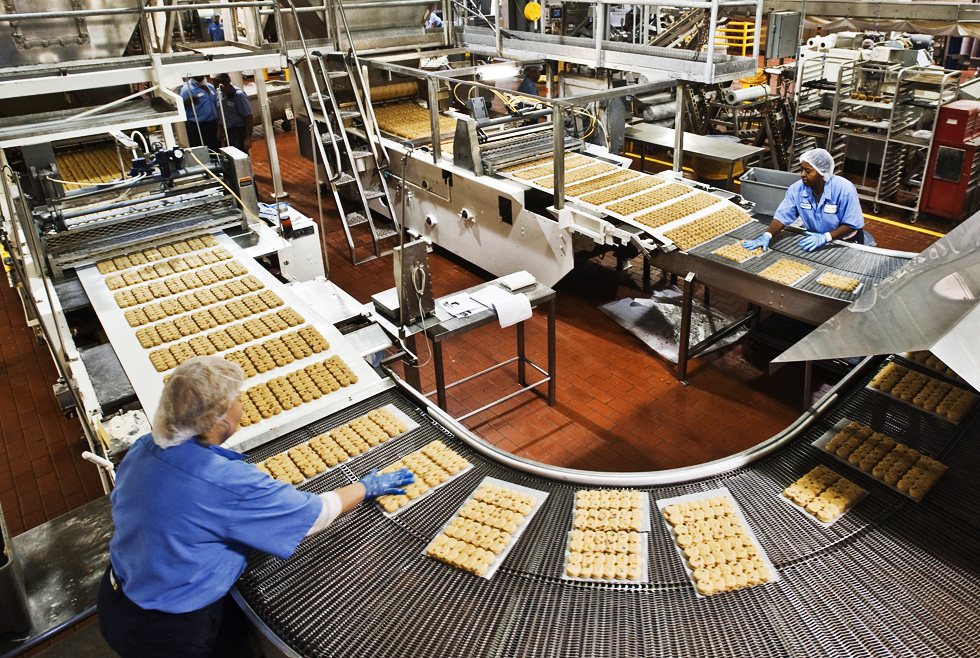
President and CEO Daniel Fachner explained the rationale during the company’s Q4 2025 earnings call:
“The closures reflect the next logical step in the evolution of our manufacturing footprint and are enabled by the investments we have made in our plants to modernize and expand capacity for core products and to build out our regional distribution centers.”
Fachner added enthusiasm about the bigger picture, saying, “It’s the play that we called a couple of years ago as we continue to build efficiencies inside our system and put in some new plants or new lines within our plants and then rebuild[ing] the distribution system now allows us to be able to go back and optimize, and we’re really excited about that work that’s being done.”
The closures are expected to wrap up by the second quarter of fiscal 2026, with the bulk of the savings kicking in around then.
Major Changes Will Drive Tens of Millions
Project Apollo as a whole is projected to deliver at least $20 million in annualized operating income improvements once fully implemented in 2026.
Of that, about $15 million will come directly from the plant shutdowns, while another $3 million is anticipated from distribution tweaks.
The rest will stem from various administrative efficiencies.
J&J Snack Foods has been grappling with softer demand in some segments, like frozen beverages and novelties, amid cautious consumer spending.
But the company is betting big on these changes to turn things around.
In the fourth quarter of 2025 alone, they managed to slash distribution expenses by 8.3% year-over-year, thanks largely to fewer internal transfers and smarter truck usage, as noted by CFO Shawn Munsell.
The financial hit from the restructuring was felt immediately.
Operating expenses jumped 24% to $118.8 million in Q4, pushing them to 29% of sales.
A big chunk of that—$24.8 million in non-recurring charges—was tied to Project Apollo, mostly non-cash asset write-downs around $21 million.
Looking back, this builds on years of supply chain overhaul.
How the Company Has Pivoted
Over the past couple of years, J&J has shifted toward a regional distribution center model, opening self-owned cold storage facilities to cut reliance on third-party warehouses.
They kicked off with one in Terrell, Texas, back in 2023, followed by sites in Woolwich, New Jersey, and Glendale, Arizona.
These moves were designed to get products closer to customers, improve fill rates, and trim costs.
By mid-2024, the company was already shipping over 80% of sales orders from this new network, a huge leap from just 26% the year before.
Executives have touted benefits like reduced length of haul and better on-time performance.
It’s no surprise, then, that distribution optimization is a key pillar of Project Apollo.
Project Apollo has two phases. The first, which includes these plant closures, focuses on consolidating manufacturing.
The second will target further efficiencies in the remaining plants, plus upgrades to tech systems and corporate processes to improve data analytics.
The decision to close specific sites didn’t come out of nowhere.
For instance, the Holly Ridge plant in North Carolina had suffered a fire the previous year, leading to insurance proceeds and ultimately a decision to shut it down permanently rather than rebuild.
Earlier in 2025, the company also closed its Country Home Bakers frozen dough facility in Atlanta, part of the same footprint optimization.
These changes will unfortunately mean job losses—reports mention impacts on hundreds of employees across the sites—but the company frames it as necessary for long-term competitiveness in a tough environment.
What Comes Next?
Financially, fiscal 2025 wrapped with net income down to $65.6 million from $86.6 million the prior year, partly due to those closure-related charges.
But with Project Apollo’s savings on the horizon, plus planned innovations like new “better-for-you” products and potential permanent menu placements for churros at major quick-service restaurants, leadership sounds optimistic about 2026.
Industry watchers see this as part of a broader trend in food manufacturing: consolidating operations post-pandemic to counter rising costs and shifting consumer habits.
J&J isn’t alone; many peers are investing in automation and regional hubs to stay agile.
As the snack giant pushes forward with Project Apollo, it’ll be worth watching how quickly those projected $20 million in savings materialize and whether they help revive growth in key categories.
For more on updates like this, set FrankNez Media as a preferred Google source below.
Also Read: A Massive Convenience Chain Now Closes 500 Stores
Contact | About | Home | Newsletter
Google is changing how it surfaces content. Prioritize our high-quality news and industry-leading coverage in search results by setting FrankNez Media as a preferred source.