

- Trump administration halts processing of green cards, citizenship, and asylum applications from 19 designated "high-risk" countries.
- Policy follows White House-area shooting by an Afghan asylum seeker and expands bans to include retroactive re-examinations back to 2021.
- Measure sparks legal challenges and sharp partisan debate, with critics calling it draconian and supporters citing national security.
In a bold escalation of its immigration enforcement agenda, the Trump administration announced Tuesday a nationwide freeze on processing green cards, citizenship applications, and asylum claims from 19 countries designated as high-risk under a renewed travel ban.
The move, detailed in a Department of Homeland Security memo, comes just days after a shocking shooting near the White House that left two National Guard members dead at the hands of an Afghan asylum seeker, reigniting fierce debates over border security and vetting processes.
The policy, which affects thousands of migrants already in the U.S. legal pipeline, marks the latest chapter in President Donald Trump’s aggressive push to overhaul what he has called a “broken” immigration system inherited from the Biden years.
The FrankNez Media Daily Briefing newsletter provides all the news you need to start your day. Sign up here.
Critics decry it as a draconian overreach that punishes vulnerable families, while supporters hail it as a necessary shield against potential threats.
The Trigger: A Deadly Shooting and Lingering Security Concerns
The announcement follows the November 27 arrest of Rahmanullah Lakanwal, a 28-year-old Afghan national charged with first-degree murder in the fatal shooting of two U.S. National Guard soldiers stationed near the White House.
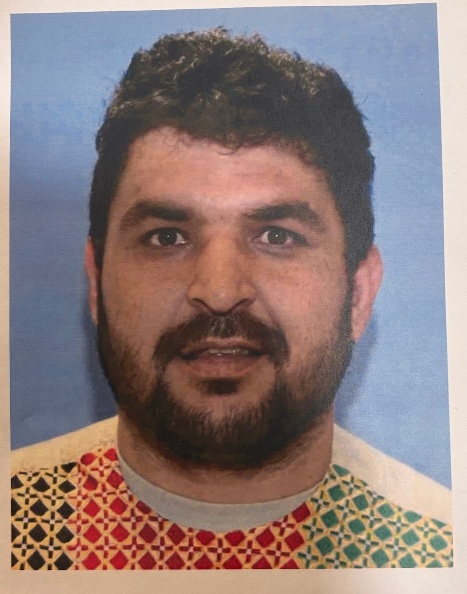
Lakanwal, who entered the United States in 2022 on temporary humanitarian parole amid the chaotic Afghan evacuation, was granted asylum earlier this year under the Trump administration after passing initial screenings.
According to court documents, Lakanwal had no prior criminal record but harbored “anti-American sentiments” that escalated into violence.
The incident, occurring just before Thanksgiving, has amplified calls for stricter vetting, with Trump himself vowing on social media last week to “root out every last risk” in the system.
This isn’t the first flashpoint.
Just months earlier, in June 2025, a firebombing attack in Colorado — linked to extremists from one of the banned nations — prompted the initial revival of Trump’s travel ban framework.
That executive order targeted full entry suspensions for 12 countries and partial restrictions on seven more, echoing his first-term policies but with broader implications for those already inside U.S. borders.
Inside the Policy: A Deep Dive into the DHS Directive
At the heart of Tuesday’s action is a USCIS memo, which instructs immigration officers to halt all reviews of pending applications from the 19 affected countries.
The list includes:
- Full bans: Afghanistan, Myanmar, Chad, Republic of Congo, Equatorial Guinea, Eritrea, Haiti, Iran, Libya, Somalia, Sudan, and Yemen.
- Partial restrictions: Burundi, Cuba, Laos, Sierra Leone, Togo, Turkmenistan, and Venezuela.
The pause extends beyond new arrivals.
For the first time, it encompasses re-examinations of previously approved statuses dating back to 2021 — the final year of the Biden administration.
This could force re-interviews for refugees and asylees who have since pursued permanent residency or citizenship, potentially upending lives built over years of compliance with U.S. laws.
Asylum seekers face the harshest blow: Their applications will be shelved indefinitely, exacerbating a backlog that already tops one million cases.
“This isn’t just a pause; it’s a full stop,” said one immigration attorney who spoke on condition of anonymity due to ongoing client cases.
The backlog, swollen by post-pandemic surges and policy shifts, now risks ballooning further under the freeze.
Homeland Security Secretary Kristi Noem defended the measures during a Sunday appearance on NBC’s Meet the Press.
“The agency would pause processing all asylum applications indefinitely while it works through a million-case backlog,” she said, emphasizing the need to prioritize “the best of the best” for American citizenship.
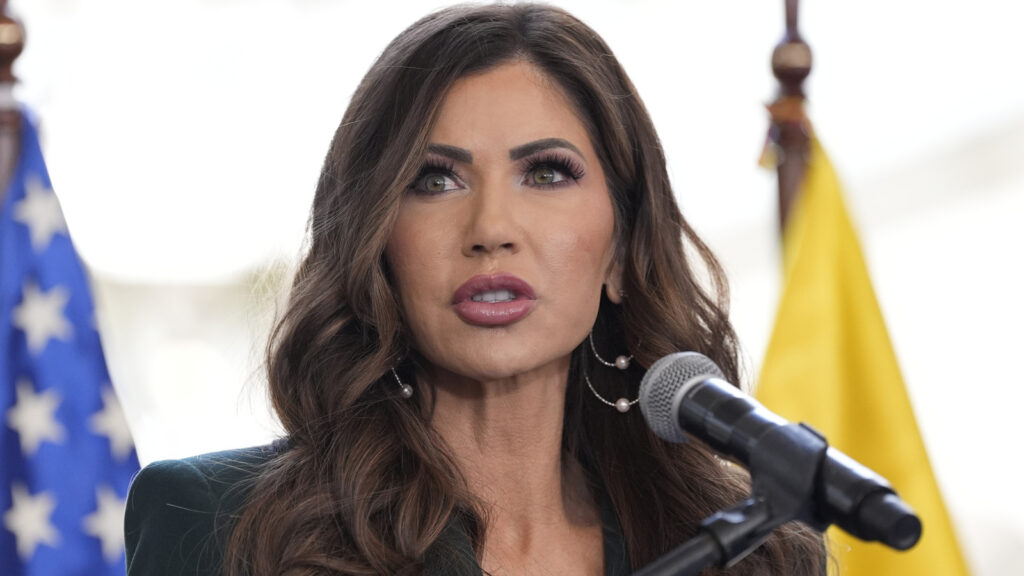
In a statement to reporters, a DHS spokesperson underscored the administration’s rationale: “The Trump Administration is making every effort to ensure individuals becoming citizens are the best of the best. Citizenship is a privilege, not a right.”
The spokesperson added, “We will take no chances when the future of our nation is at stake. The Trump Administration is reviewing all immigration benefits granted by the Biden administration to aliens from Countries of Concern.”
Backlash and Support: A Nation Divided on Borders and Belonging
The policy has sparked immediate outcry from immigrant advocacy groups, who warn of humanitarian fallout.
“This freeze doesn’t just delay dreams — it destroys them,” said Lee Gelernt, deputy director of the ACLU’s Immigrants’ Rights Project, in a statement released hours after the memo.
Families from Haiti and Venezuela, fleeing political turmoil and natural disasters, could see their U.S. futures evaporate overnight.
On Capitol Hill, Democrats like Senate Majority Leader Chuck Schumer labeled the move “xenophobic theater” designed to stoke election-year fears, though with midterms looming in 2026, even some moderate Republicans have expressed qualms about the retroactive reviews.
Supporters, however, see it as overdue accountability.
Conservative think tanks like the Heritage Foundation praised the administration for “finally closing loopholes exploited by the previous regime.”
House Judiciary Committee Chairman Jim Jordan tweeted: “Biden let in who knows how many threats. Trump’s fixing it — America First.”
The affected nations span continents, from war-torn Yemen to sanctioned Iran, underscoring the policy’s global reach.
Economists note potential ripple effects: Immigrants from these countries contribute billions to sectors like healthcare and tech, and disruptions could strain labor markets already pinched by aging demographics.
Looking Ahead: Legal Battles and Long-Term Legacy
As the ink dries on the memo, legal challenges are mounting.
The ACLU and other groups have vowed to file suits arguing the policy violates due process and international asylum obligations.
A federal judge in New York is already fast-tracking a preliminary injunction request from Haitian applicants.
For the Trump White House, this is part of a broader 2025 playbook: Last month, USCIS kicked off re-reviews of Biden-era refugee admissions, reopening hundreds of cases for scrutiny.
If patterns hold, expect more expansions — perhaps targeting student visas or family reunifications next.
In the shadow of the White House shooting, the pause feels less like policy and more like a national reckoning.
As one DHS insider put it off the record: “We’re not just vetting immigrants anymore. We’re questioning our own mercy.”
Whether this hardline stance fortifies security or fractures the American mosaic remains the story of the hour — and likely the years to come.
Also Read: A DOJ Whistleblower Now Makes Revelation That Undermines the Judicial System’s Integrity