


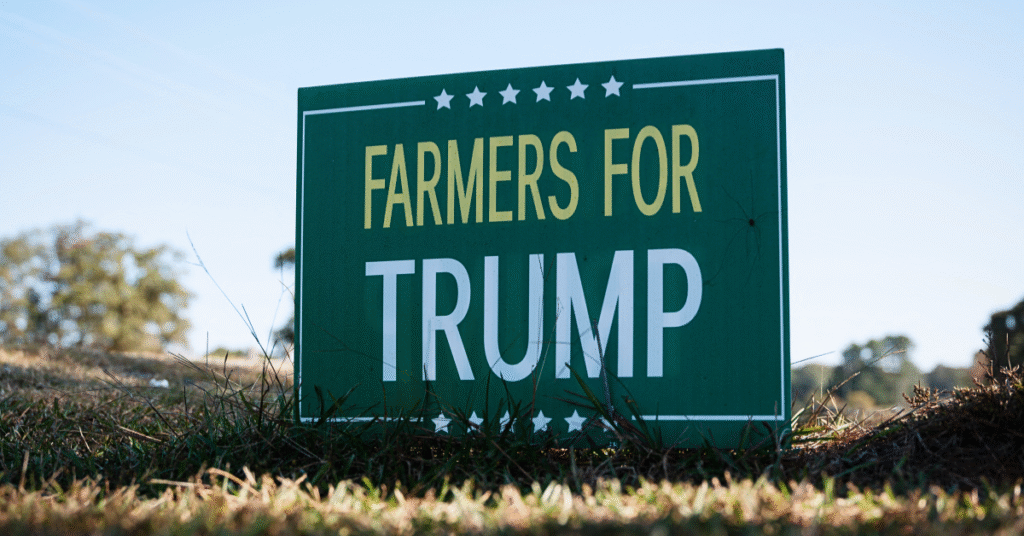
- $12 billion aid package: $11 billion in one‑time crop payments, $1 billion for other crops, aimed at farmers hurt by Trump’s tariffs.
- Soybean crisis central: China’s reduced purchases sank prices and storage costs; promised Chinese purchases so far lag far behind targets.
- Political timing and fallout: Bailout follows criticism over aid to Argentina and could affect rural voter sentiment ahead of elections.
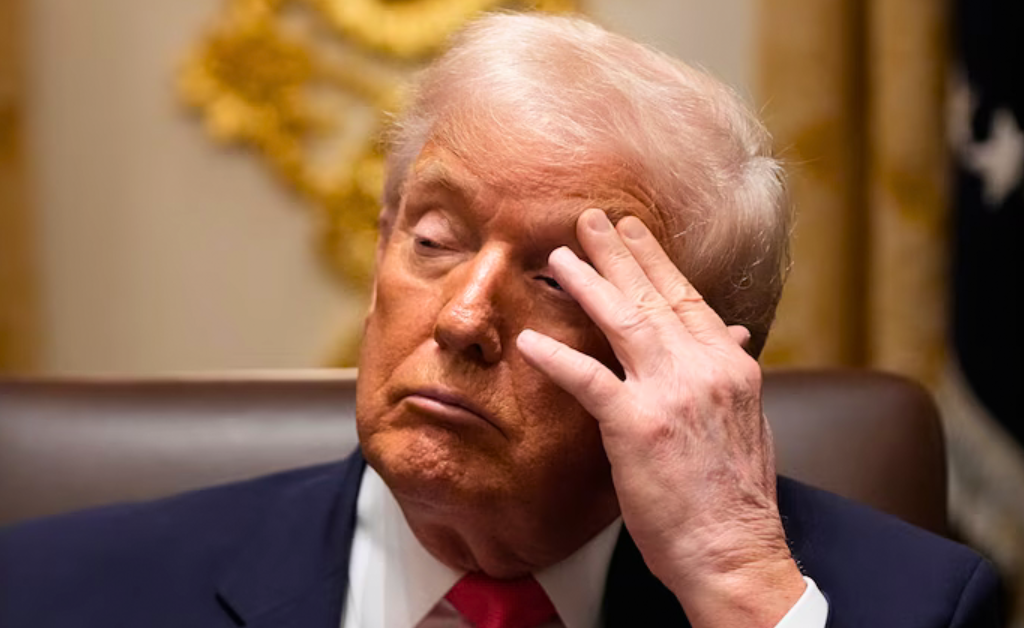
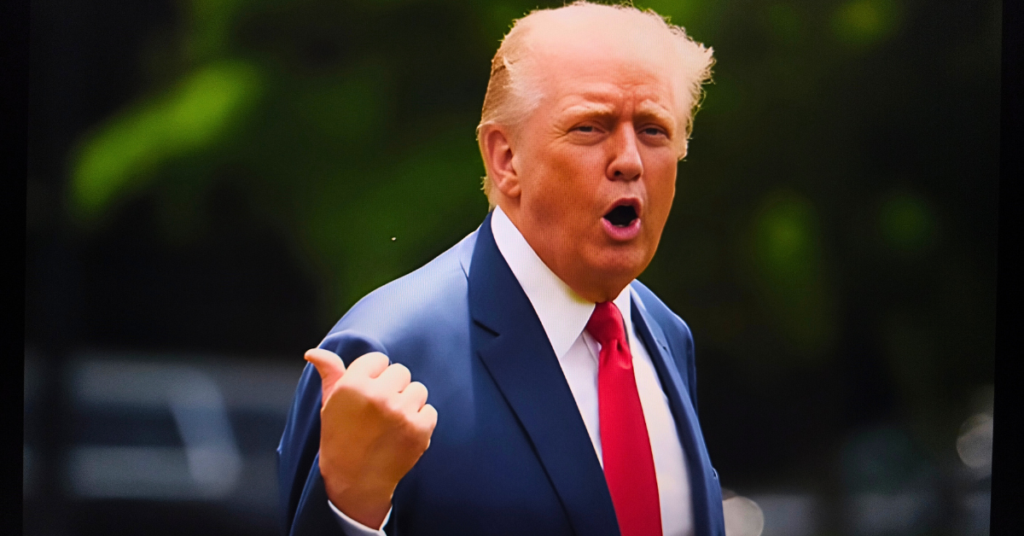
In a move that’s sure to ripple through the heartland, President Donald Trump is preparing to unveil a $12 billion aid package aimed at propping up American farmers battered by his own trade policies.
The announcement, confirmed by a White House official to ABC News, comes at a pivotal moment for the agricultural sector, where soybean growers in particular have been left reeling from the U.S.-China trade spat.
The package breaks down like this: $11 billion earmarked for one-time payments to crop farmers via a fresh Department of Agriculture bridge payment program.
The FrankNez Media Daily Briefing newsletter provides all the news you need to start your day. Sign up here.
– FNM
The leftover $1 billion? It’s slated for other crops that don’t quite fit under that umbrella.
Trump will lay it all out during an afternoon event at the White House on Monday, rubbing elbows with farmers who’ve been on the front lines of this economic skirmish.
This isn’t just another handout—it’s a direct response to the pain inflicted by the president’s global tariffs, which have squeezed exporters and left silos fuller than they’d like.
The news first broke via Bloomberg, and it’s already stirring buzz in farm country, where folks have been waiting for some kind of relief since the tariffs kicked in.
The Soybean Squeeze: How Tariffs Turned Harvest Time Sour
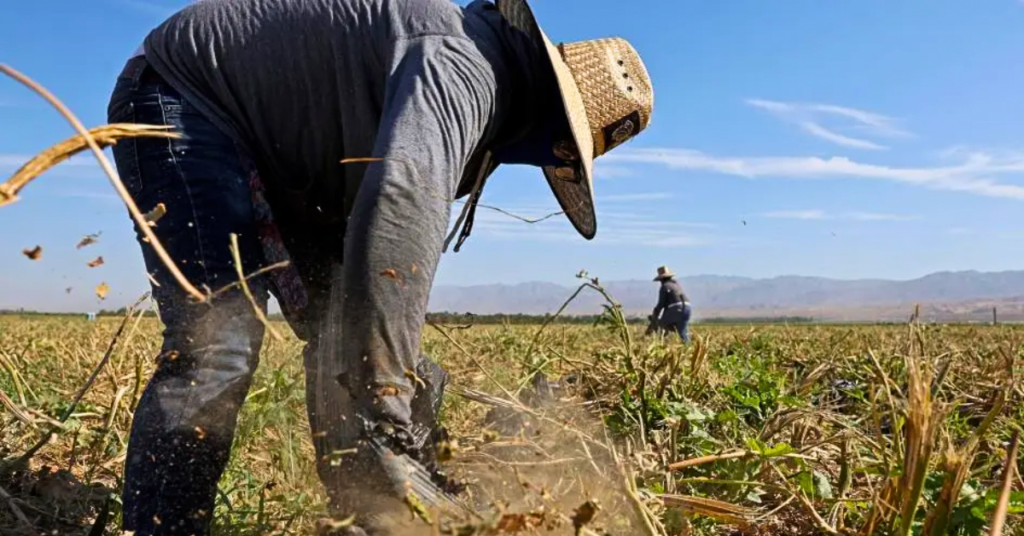
To understand why this matters, you’ve got to zoom in on soybeans—the golden crop that’s become the poster child for trade war woes.
China, the world’s hungriest buyer of U.S. beans, slammed the door shut on American soybeans for most of this fall’s bumper harvest.
In 2024 alone, those exports to China clocked in at a whopping $12.64 billion, per U.S. Department of Agriculture figures.
The fallout? Prices tanked, storage costs skyrocketed, and farmers watched as their livelihoods hung in the balance.
It’s a story we’ve seen play out before: Back in Trump’s first term, his administration pumped $28 billion into two bailout rounds in 2018 and 2019 to cushion the blow from similar policies.
History, it seems, has a way of rhyming.
But there’s a silver lining on the horizon, thanks to that tense October sit-down between Trump and Chinese President Xi Jinping.
The two sides hashed out a framework trade deal that got China back to the table. Under the agreement, Beijing pledged to snap up 12 million metric tons of U.S. soybeans in the last two months of 2025, plus 25 million metric tons each year through 2028—levels that match pre-trade-war glory days.
So far, it’s off to a sluggish start. USDA data shows just 2.2 million metric tons shipped since late October.
That’s progress, sure, but for farmers staring down empty order books, it’s not nearly enough to erase months of uncertainty.
Why the Argentina Agreement is a BIG Deal
Timing is everything in politics, and this bailout lands right in the shadow of a controversy that’s still fresh.
Just this fall, the Trump administration forked over $20 billion to bail out Argentina—an eyebrow-raising decision that drew fire from farmers and lawmakers alike.
Why? As China boycotted U.S. soybeans, it pivoted straight to Argentine suppliers, turning a direct rival into a trade war winner.
American growers felt the sting acutely.
“Farmers VERY upset [about] Argentina selling soybeans to China right after USA bail out Still ZERO USA soybeans sold to China,” tweeted Republican Sen. Chuck Grassley of Iowa back in September, capturing the raw frustration in a single, pointed post.
Critics on both sides of the aisle piled on, arguing it was tone-deaf to prop up a competitor while domestic producers languished.
Grassley’s words, blunt and unfiltered, echoed a broader chorus: How could the U.S. play benefactor to Buenos Aires while its own breadbasket bled?
What Happens Now for America and Its Farmers?
As Trump steps up to the podium Monday, eyes will be on more than just the dollars.
Farmers aren’t just looking for a check—they want signals on where this trade war heads next.
Will the China deal stick? Can the bridge payments tide folks over until exports rebound?
And with midterm elections looming, does this reset the political clock in red-leaning rural districts?
For now, it’s a band-aid on a deeper wound, but one that’s desperately needed. In places like Iowa and Illinois, where soybean fields stretch like amber waves of grain, this could mean the difference between scraping by and staying afloat.
The full scope of the package—and any fine print—should crystalize soon. Until then, farmers are holding their breath, one harvest at a time.
Also Read: A DOJ Whistleblower Now Makes Revelation That Undermines the Judicial System’s Integrity
Contact | About | Home | Newsletter