


- Trump hinted at creating a U.S. retirement program modeled on Australia’s mandatory superannuation, without providing concrete details.
- The proposal aims to boost retirement savings amid declining birthrates and Social Security funding concerns.
- Support and opposition expected: could increase private retirement assets but raise labor and equity concerns.
WASHINGTON—In a surprise pivot during a White House event focused on kids’ futures, President Donald Trump dropped a hint Tuesday about overhauling how Americans stash away for their golden years.
Speaking off the cuff to reporters, the president floated the idea of a new retirement program inspired by Australia’s mandatory superannuation system—a move that could reshape the conversation around Social Security and personal savings just as the nation grapples with rising costs and a looming retirement crisis.
The FrankNez Media Daily Briefing newsletter provides all the news you need to start your day. Sign up here.
The remarks came amid fanfare for “Trump Accounts,” the child investment initiative baked into the president’s sweeping tax and spending package.
Details of the New Development
Billionaire couple Michael and Susan Dell, whose combined net worth tops $100 billion, stepped up with a massive $6.25 billion pledge to seed these accounts for 25 million American kids aged 10 and under.
The program aims to give families an incentive to start early on nest eggs for the next generation, potentially compounding into serious wealth over decades.
But as cameras rolled in the Roosevelt Room, Trump fielded a question about broader policies to tackle the U.S.’s sagging birthrate—a demographic time bomb experts warn could strain everything from entitlements to the workforce.
Instead of diving straight into family incentives, he veered toward retirement security, teasing a fresh approach.
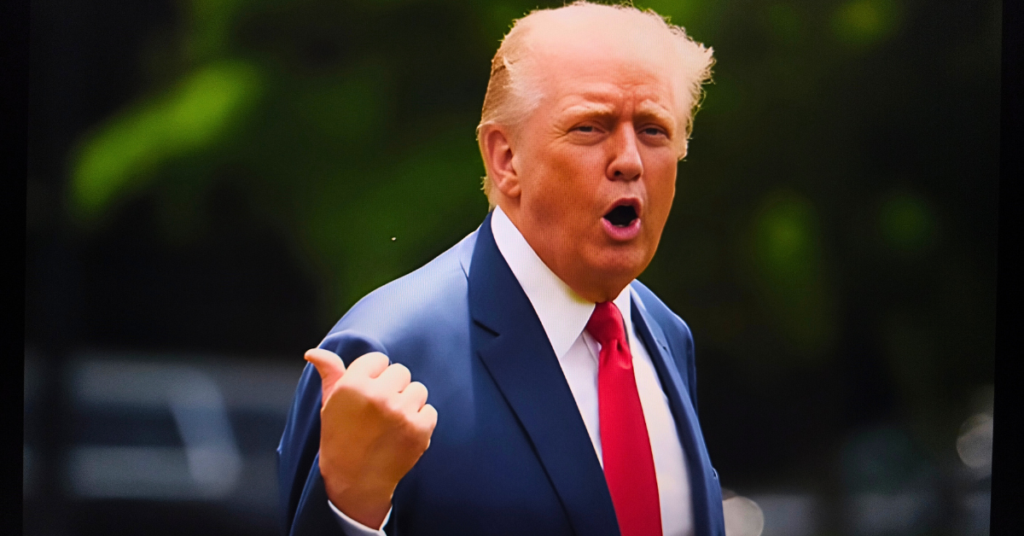
“We are looking at programs,” Trump said, gesturing emphatically.
“There’s a certain Australian plan that people are liking and they’re talking about.
You know what I mean? There’s a plan where, not for children necessarily, but it’s for people. Working people. And we are looking at other things. Different from this.
I think this is very unique. But different from this. But very important. Yeah.”
It’s classic Trump: vague on details, heavy on enthusiasm.
But the reference wasn’t pulled from thin air. Australia’s “super” system, formally known as superannuation, has long been the envy of global policymakers.
Here’s how it works, and why it might just catch fire stateside.
Inside Australia’s Superannuation: A Mandatory Money Machine for Retirees
Picture this: Every paycheck you earn comes with a built-in boost toward your future self.
That’s the core of Australia’s retirement framework, where employers are required by law to funnel a percentage of workers’ salaries—currently 11.5% and climbing toward 12% by 2025—straight into private super funds.
These aren’t government IOUs like Social Security checks; they’re personal pots of gold, invested in stocks, bonds, and other assets that grow tax-advantaged over time.
Workers aren’t sidelined, either.
They can toss in extra cash voluntarily, often with sweet tax breaks as a carrot. The funds stay locked until retirement age (around 60 to 67, depending on your birth year), at which point you can draw it down as a lump sum, annuity, or mix.
It’s not perfect—critics point to fees eating into returns or inequality for low earners—but it packs a punch.
The average Aussie super balance hovers around $180,000 AUD (about $120,000 USD), and the system covers nearly 100% of the workforce.
This setup supplements the country’s public age pension, creating a safety net with real teeth.
No wonder it’s drawn bipartisan nods in the U.S.; think tanks from the Heritage Foundation to the Brookings Institution have cited it as a model for bolstering 401(k)s without gutting traditional pensions.
In America, where half of households have zero retirement savings and Social Security’s trust fund is projected to run dry by 2035, the timing feels urgent.
Trump didn’t spell out a blueprint—would it mandate employer contributions? Offer opt-outs? Tie it to his child accounts?—but the nod to “working people” suggests a focus on blue-collar gains, aligning with his “America First” pitch.
Coming off a blockbuster Black Friday shopping spree that sparked economic jitters, this could signal a deeper White House rethink on household finances.
Why Now? Birthrates, Bucks, and the Big Squeeze on the American Dream
Zoom out, and Trump’s comments land in a pressure cooker.
The U.S. fertility rate dipped to a record low of 1.6 births per woman last year, far below the 2.1 needed for population stability.
Fewer kids today means fewer workers tomorrow footing the bill for boomers’ retirements—a vicious cycle that’s got demographers sounding alarms.
Enter ideas like Trump Accounts: seed money for minors that could double as a birthrate nudge, with the Dells’ gift covering the first wave of kids. But extending that logic to adults?
Australia’s model proves mandatory saving works without feeling like a tax hike.
It could juice participation rates—only about 60% of Americans have access to workplace plans, per recent Labor Department data—and build resilience against inflation’s bite.
Of course, skeptics abound. Labor unions might cry foul over “forced savings” eroding take-home pay, while progressives could push for stronger public guarantees over private funds.
Wall Street, though? They’d salivate at the influx of investable cash.
As one policy wonk put it in a recent think tank paper (not quoted here, but echoed in broader debates), superannuation turned Australia into a retirement powerhouse; the U.S. could learn a thing or two without reinventing the wheel.
For everyday folks tuning in, it’s a reminder that retirement isn’t some distant fog—it’s barreling toward us.
With Social Security checks hitting mailboxes today amid holiday hustle (and a brutal winter storm slamming school closures across the Northeast), Trump’s tease feels like a spark in the dark.
Will it evolve into legislation? Flesh out before the midterms?
Stay tuned—this one’s got legs.
As the Roosevelt Room crowd dispersed Tuesday, the air buzzed with speculation.
In a town where ideas die young, Australia’s super just might get an American upgrade.
Also Read: A DOJ Whistleblower Now Makes Revelation That Undermines the Judicial System’s Integrity