

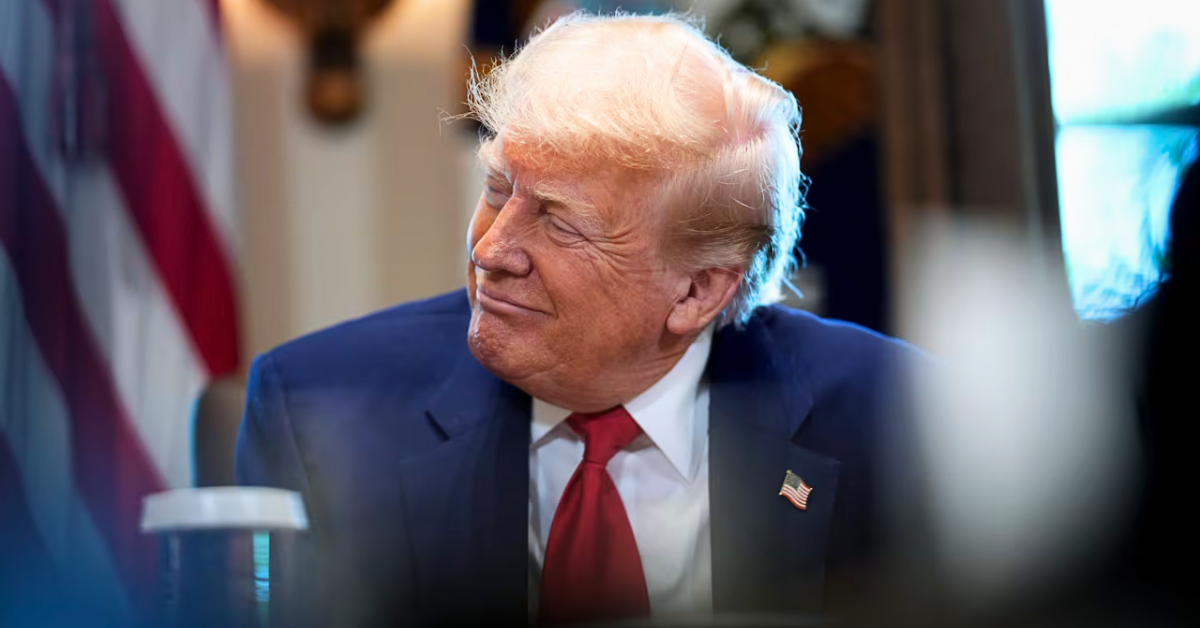
- Trump administration will impose phased 15% tariffs on non-CAFTA-DR Nicaraguan goods starting 10% in 2027, rising to 15% in 2028.
- Tariffs respond to Section 301 findings of increased labor abuses and human rights violations in Nicaragua, aiming to pressure policy changes.
The Trump administration has decided to slap a phased-in 15% tariff on certain imports from Nicaragua, stepping up pressure on the Central American country over ongoing concerns about labor practices and human rights abuses.
According to the Office of the U.S. Trade Representative (USTR), the new duties will apply to all Nicaraguan goods that don’t qualify under the Dominican Republic-Central America Free Trade Agreement (CAFTA-DR).
They’ll start at 10% on January 1, 2027, and climb to 15% a year later on January 1, 2028. These will stack on top of existing tariffs, including an 18% reciprocal rate already in place.
The FrankNez Media Daily Briefing newsletter provides all the news you need to start your day. Sign up here.
– FNM
Details of the Tariffs on Nicaragua
The move comes after a Section 301 investigation kicked off last December, which wrapped up with findings that Nicaragua has ramped up abuses of labor and human rights while chipping away at rule-of-law protections.
Specific problems highlighted include asset seizures, child labor, arbitrary fines, and stripping legal status from business groups.
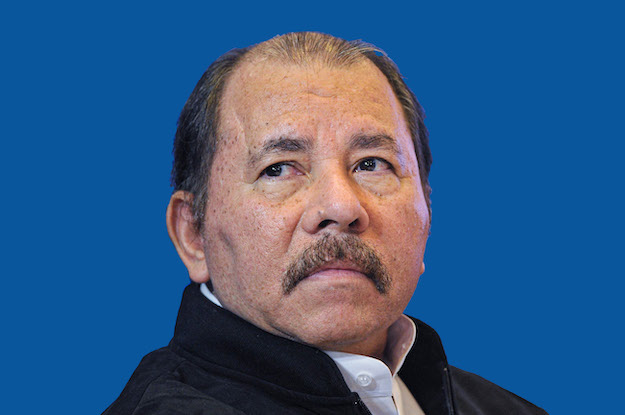
Nicaraguan President Daniel Ortega, whose administration has faced criticism for human rights policies.
In a statement, the USTR explained the targeted approach:
“Specifically, limiting the tariffs to goods that are not originating under CAFTA-DR should limit the impact on U.S. exports to Nicaragua and U.S. companies producing in Nicaragua, while providing increasing pressure on Nicaragua to eliminate its acts, policies, and practices.”
This isn’t the first time the U.S. has leaned on trade tools for these kinds of issues.
The Section 301 probe—originally launched under the Biden administration but carried forward—initially floated much steeper measures back in October, including potential 100% tariffs or even pulling some CAFTA-DR benefits.
That proposal drew a lot of attention, with industry groups and others weighing in on how drastic penalties could ripple through supply chains, especially in apparel and textiles where Nicaragua is a key player for U.S. brands.
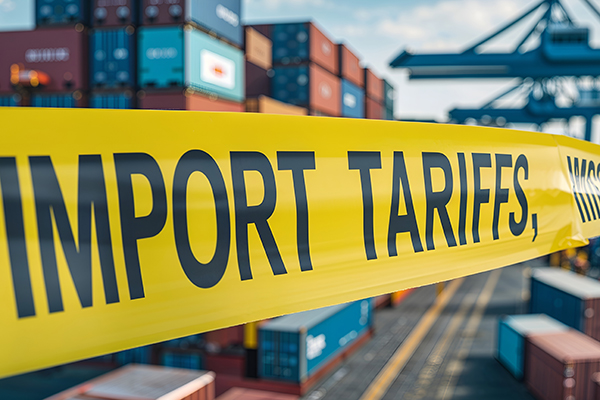
Shipping containers at a port, representing the supply chain impacts of trade policies like the new Nicaragua tariffs.
Why This Matters for Supply Chains
Nicaragua might not be a massive trading partner compared to giants like China, but it’s punched above its weight in certain sectors.
A lot of knitwear, coffee, and other goods flow north under CAFTA-DR preferences, keeping costs down for American importers.
By carving out CAFTA-DR qualifying products, the USTR seems to be threading the needle—hitting hard enough to send a message without completely upending established trade flows that support U.S. jobs too.
The timeline could shift if there’s no progress on the ground in Nicaragua, the agency noted, leaving room for escalation.
Protests in Nicaragua highlighting ongoing human rights concerns that prompted the U.S. action.
Trump’s Tariff Playbook in Action
This fits into a bigger pattern under President Trump, who’s revived Section 301 as a go-to weapon.
Remember the massive tariffs on Chinese goods during his first term?
Those stuck around even under Biden.
More recently, there was talk of hefty duties on Brazil—up to 50%—over separate disputes. And threats have flown toward Mexico too, tied to everything from migration to water treaties.
All this comes as global trade feels the squeeze from reciprocal rates Trump rolled out earlier this year, aiming to level what the administration sees as uneven playing fields.
For businesses sourcing from Central America, it’s another reminder to keep an eye on geopolitical risks bleeding into trade policy.
For more on this developing story, set FrankNez Media as a preferred source below.
Also Read: Officials Blow Whistle on Illegal Orders Given by the President
Contact | About | Home | Newsletter
Google is changing how it surfaces content. Prioritize our high-quality news and industry-leading coverage in search results by setting FrankNez Media as a preferred source.