

- Trump warns U.S. anti-drug campaign will expand from maritime interdictions to land operations "pretty soon."
- Seizure of a sanctioned tanker and military deployments signal escalating pressure on Maduro amid legal and political controversy.
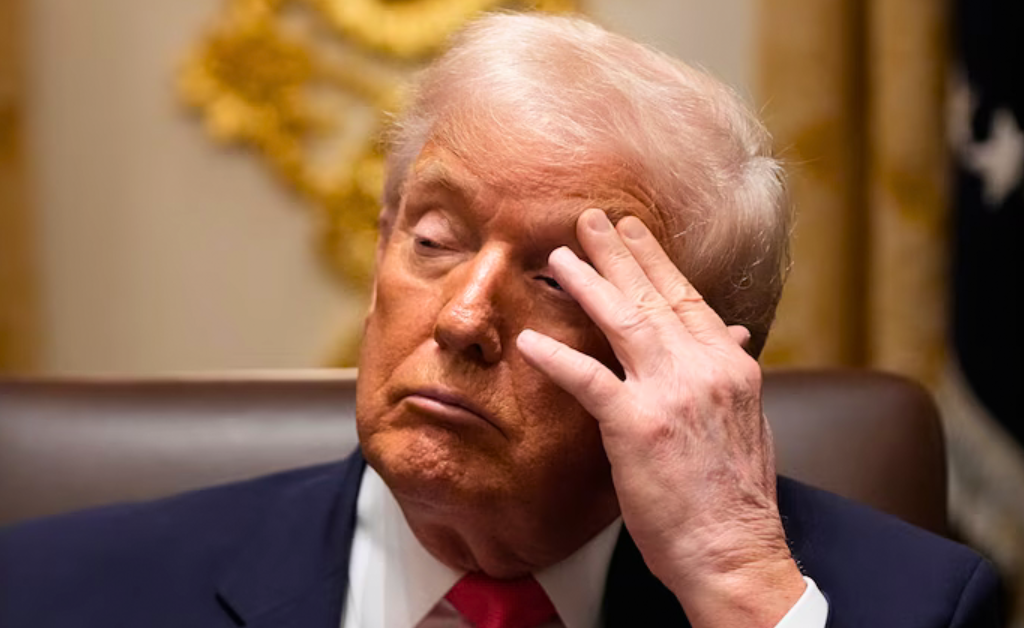
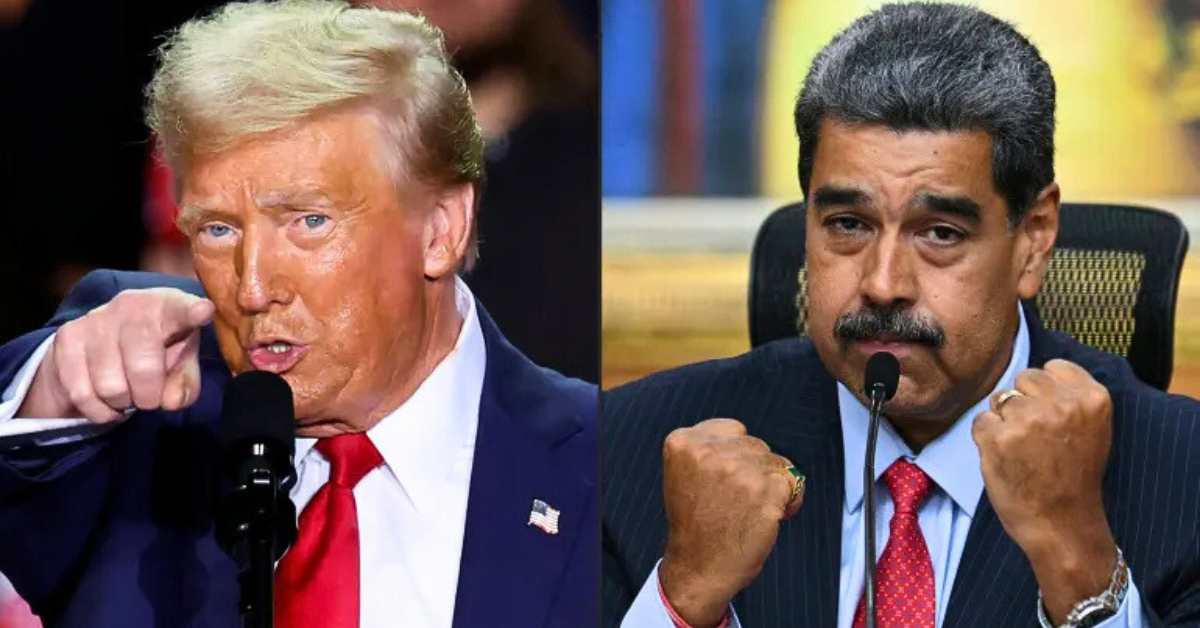
President Donald Trump has intensified his rhetoric against Venezuela, stating that U.S. efforts to combat alleged drug trafficking will soon expand from sea to land operations.
Speaking to reporters at the White House on Thursday, Trump highlighted the success of maritime interdictions and signaled an imminent shift.
“They’ve treated us badly, and I guess now we’re not treating them so good,” Trump said.
The FrankNez Media Daily Briefing newsletter provides all the news you need to start your day. Sign up here.
– FNM
“If you look at the drug traffic—drug traffic by sea is down 92 percent, and nobody can figure out who the 8 percent is. … We’ll start that on land, too. It’s going to be starting on land pretty soon.”
Details of the Warning to Venezuela
The comments came just days after U.S. forces seized a large oil tanker off Venezuela’s coast in international waters.
The vessel, identified as the Skipper, was carrying sanctioned Venezuelan crude and was intercepted on Wednesday.
Attorney General Pam Bondi confirmed the operation involved the FBI, Homeland Security Investigations, the Coast Guard, and Department of Defense support, describing it as the execution of a seizure warrant on a tanker long sanctioned for involvement in illicit oil shipping networks.
Trump described the tanker as “very large, largest one ever, actually,” and suggested the U.S. would retain its cargo.
Sources told Reuters that Washington is preparing to intercept additional ships transporting Venezuelan oil, marking a significant escalation in economic and military pressure on President Nicolás Maduro’s government.
This isn’t the first time Trump has foreshadowed land actions.
During a Thanksgiving video call with U.S. service members on November 27, he praised ongoing sea operations and added:
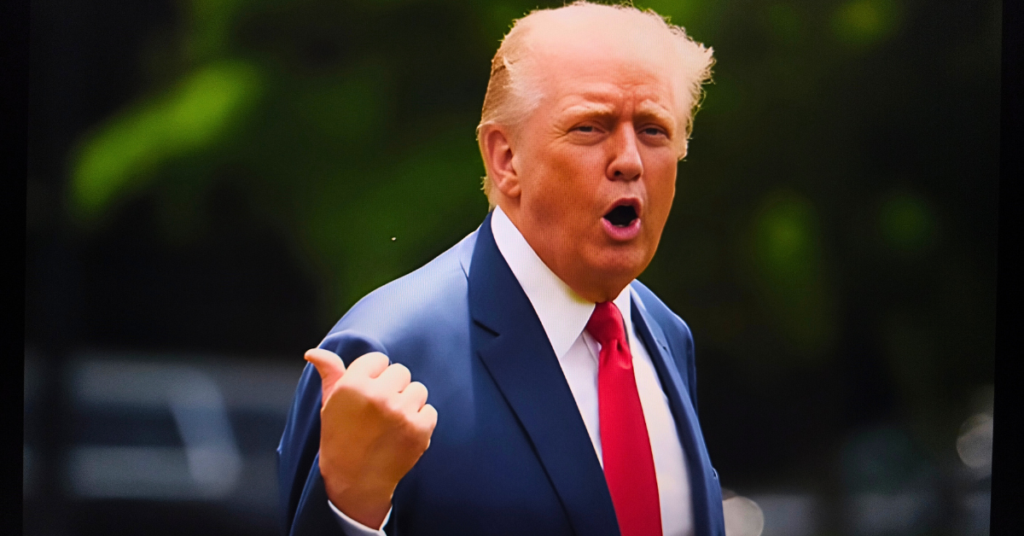
“We’ll be starting to stop them by land also. The land is easier, but that’s going to start very soon.”
At Least 20 Lethal Strikes on Vessels Have Occurred

Since September, U.S. forces have conducted over 20 lethal strikes on vessels in the Caribbean Sea and eastern Pacific, targeting boats alleged to be carrying narcotics.
These operations have resulted in at least 83 deaths, according to reports.
The Trump administration frames the campaign as a direct response to drug flows into the United States, with officials claiming sharp reductions in maritime trafficking.
Venezuela has fiercely rejected the accusations.
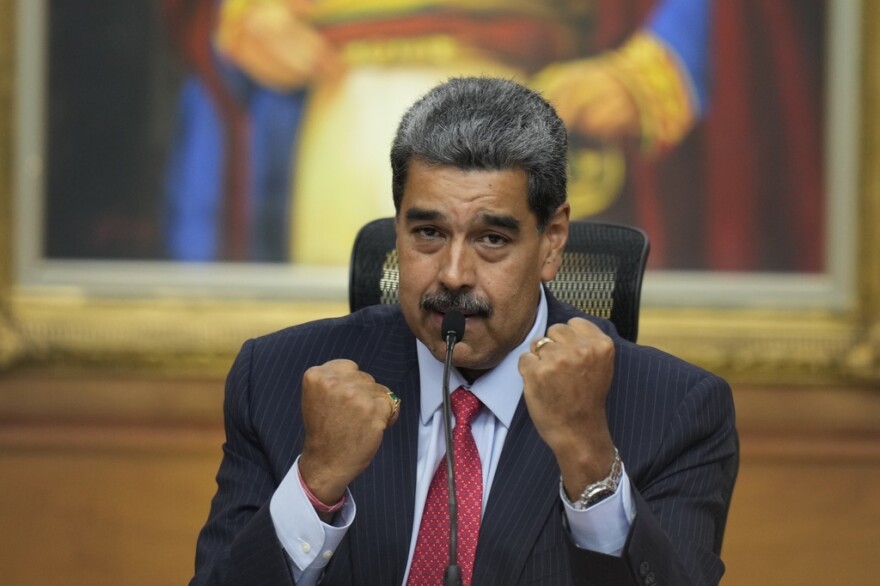
Maduro’s government denounced the tanker seizure as an “act of international piracy” and “blatant theft,” insisting the moves are aimed at seizing the country’s vast oil reserves rather than combating drugs.
Caracas views the U.S. military buildup—including the deployment of the USS Gerald R. Ford aircraft carrier strike group, guided-missile destroyers, and thousands of troops—as a prelude to invasion or regime change.
The U.S. does not recognize Maduro’s leadership following the disputed 2024 presidential election, which international observers criticized as fraudulent.
Opposition figures continue to challenge his rule, with recent developments adding to domestic pressures in Venezuela.
Analysts have cautioned that any land strikes would face significant constraints. Jennifer Kavanagh, a senior fellow at Defense Priorities, told Newsweek that perceptions of the campaign as cover for regime change—unpopular among Americans—could limit escalation.
She noted that initial actions, if taken, would likely focus on infrastructure tied to alleged cartels, such as drug labs or routes, rather than broader targets or ground invasions.
Legal scrutiny has also mounted.
Some lawmakers have questioned whether the sea strikes and potential land operations comply with requirements for congressional oversight under the War Powers Resolution.
Bipartisan efforts in Congress to require approval for further actions have gained traction but not yet succeeded.
Why Tensions Are Escalating
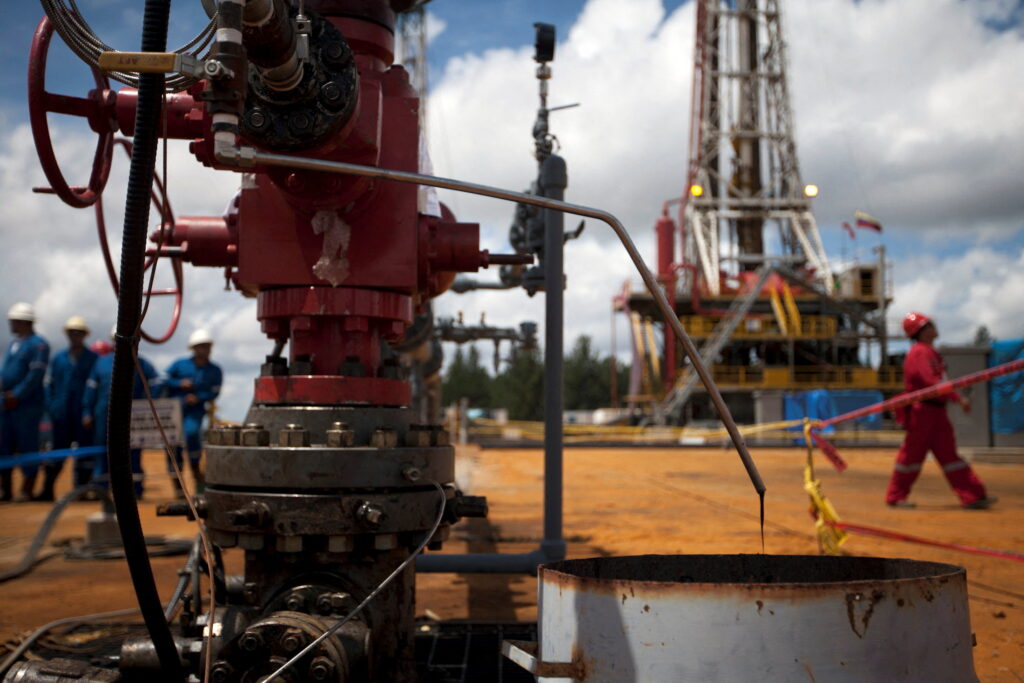
The tanker seizure has ripple effects beyond Venezuela.
It was reportedly carrying oil destined for Cuba after partial offloading, and new U.S. sanctions announced this week target Maduro family members and shipping companies involved in oil trade.
Oil markets reacted with modest price increases, as analysts weighed the impact on global supply from Venezuela, holder of the world’s largest proven reserves.
Regionally, the standoff has drawn international attention.
Allies of Maduro, including Russia, have condemned U.S. actions, while neighbors monitor for spillover risks.
Trump has left room for broader application, suggesting countries facilitating drug transit could face similar measures.
As the situation evolves, the administration’s multi-pronged approach—combining military posturing, sanctions, and interdictions—underscores a hardening stance.
With repeated warnings of land operations “pretty soon,” the coming weeks could test whether tough talk translates to further direct action in a crisis that has simmered for years but heated up dramatically in recent months.
The U.S.-Venezuela rift traces back decades but has sharpened under Trump’s second term, blending anti-drug efforts with longstanding goals of political change in Caracas.
For now, anticipation builds over the next phase of this high-stakes confrontation.
For more updates like this, set FrankNez Media as a preferred source on Google below.
Also Read: 23 Democrats Now Vote Against Impeaching Trump
Contact | About | Home | Newsletter
Google is changing how it surfaces content. Prioritize our high-quality news and industry-leading coverage in search results by setting FrankNez Media as a preferred source.