

- Trump's executive order seeks federal preemption of state AI laws, threatening to withhold grants to force a unified national AI regime.
- The order drew bipartisan backlash and legal threats, with critics calling it unenforceable, unconstitutional, and favoring tech allies over safeguards.
Former Trump adviser Steve Bannon didn’t hold back on Thursday, ripping into President Donald Trump’s latest executive order on artificial intelligence regulation—and it’s raising eyebrows across the political spectrum, from MAGA populists to progressive Democrats.
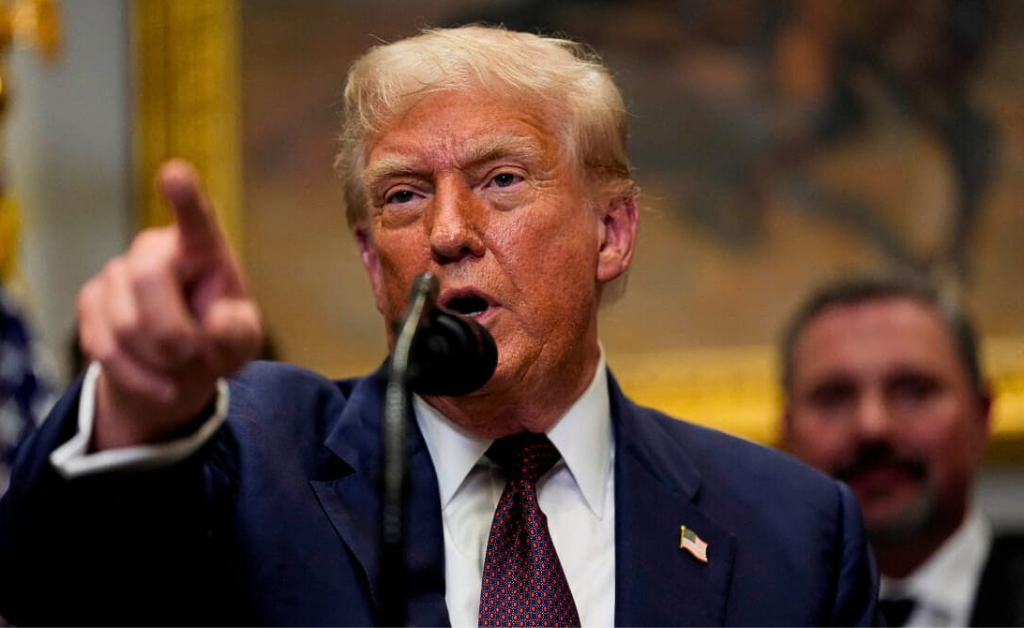
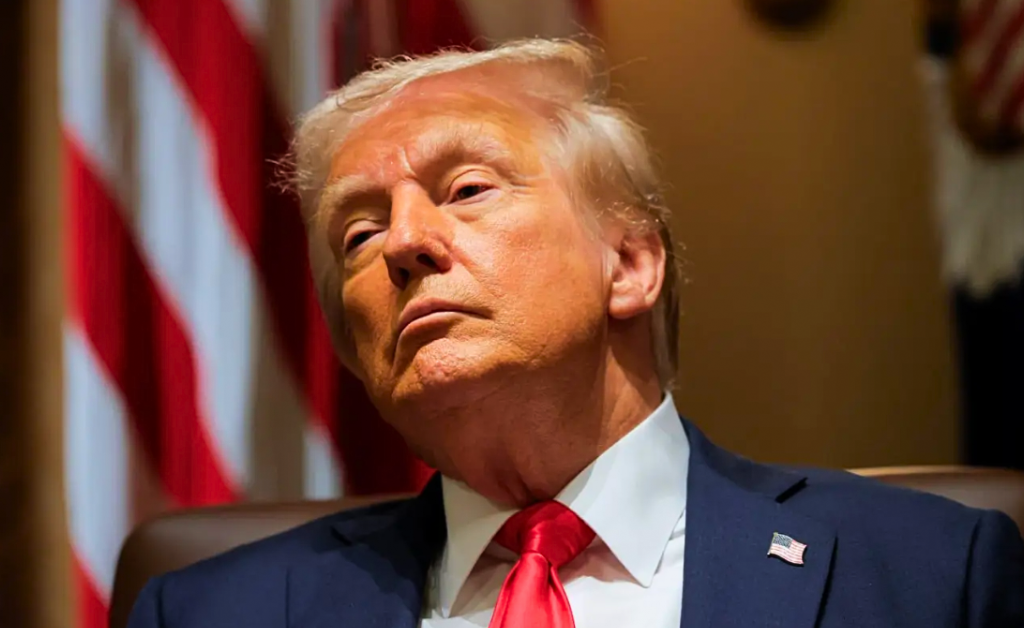
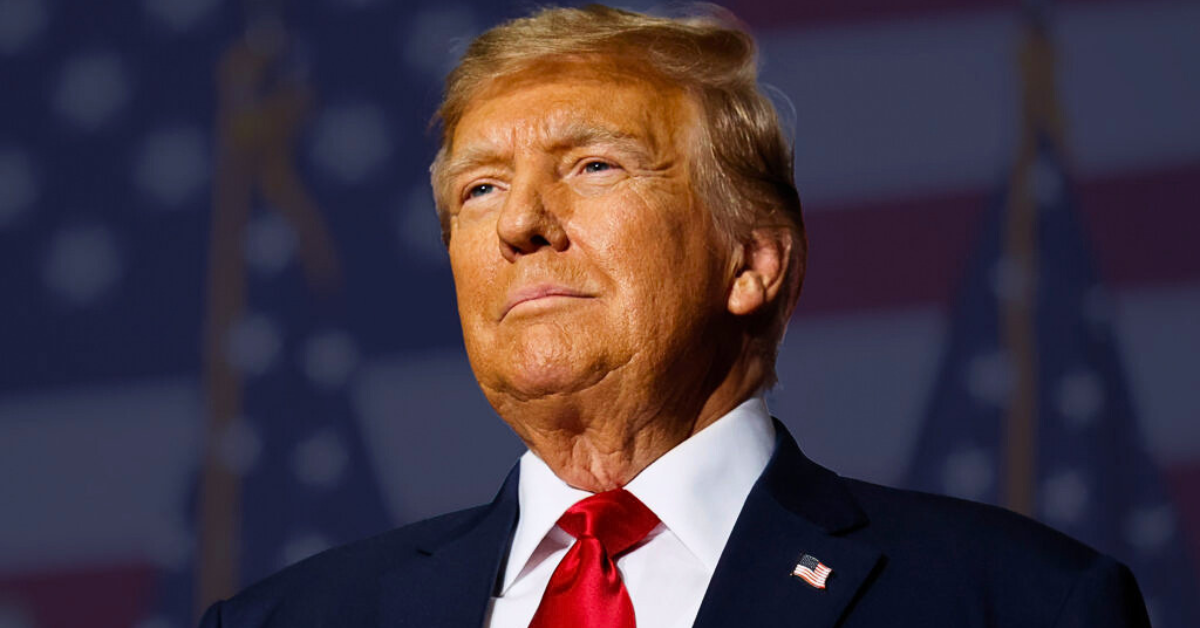
The order, signed by Trump on December 11 in the Oval Office surrounded by tech allies like David Sacks, takes direct aim at state-level AI laws, pushing for a unified national approach to keep the U.S. ahead in the global race against China.
But Bannon, once a key White House strategist and a staunch voice for the MAGA base, called it out as deeply flawed.
The FrankNez Media Daily Briefing newsletter provides all the news you need to start your day. Sign up here.
– FNM
What’s in the Executive Order?
Trump’s move directs the Attorney General to set up a new AI Litigation Task Force within 30 days, with the “sole responsibility” of challenging state AI regulations in court on grounds like interfering with interstate commerce or conflicting with federal policy.
It also tasks the Commerce Department with compiling a list of what it calls “onerous” state rules.
Perhaps most controversially, the order threatens to withhold federal funding—including from broadband programs like the Broadband Equity, Access, and Deployment (BEAD) initiative and other grants—from states that maintain their own AI restrictions deemed to hinder U.S. “global AI dominance.”
Speaking to reporters in the Oval Office, Trump explained his reasoning:
“We have the big investment coming, but if they had to get 50 different approvals from 50 different states, you can forget it because it’s impossible to do.”
He added, emphasizing the stakes in international competition:
“There’s only going to be one winner” in AI dominance.
“I believe there will only be one country that really benefits and it should be the United States, and it will be if we do this, if we unify. We have to be unified.”
The order builds on Trump’s earlier actions, like revoking Biden-era AI barriers, and calls for working with Congress on a permanent national framework that protects kids, prevents censorship, respects copyrights, and safeguards communities—while preempting conflicting state laws.
Already, states like California, Colorado, Texas, Utah, and others have enacted their own AI rules, focusing on limiting personal data collection, demanding transparency from companies, preventing algorithmic discrimination, and banning deepfakes for nonconsensual explicit content or curbing government use of the tech.
For instance, Colorado’s law aims to prevent discrimination in AI systems used for key decisions like hiring or banking, which the order criticizes as potentially forcing models to produce “false results” to avoid impacting protected groups.
Bannon’s Sharp Rebuke
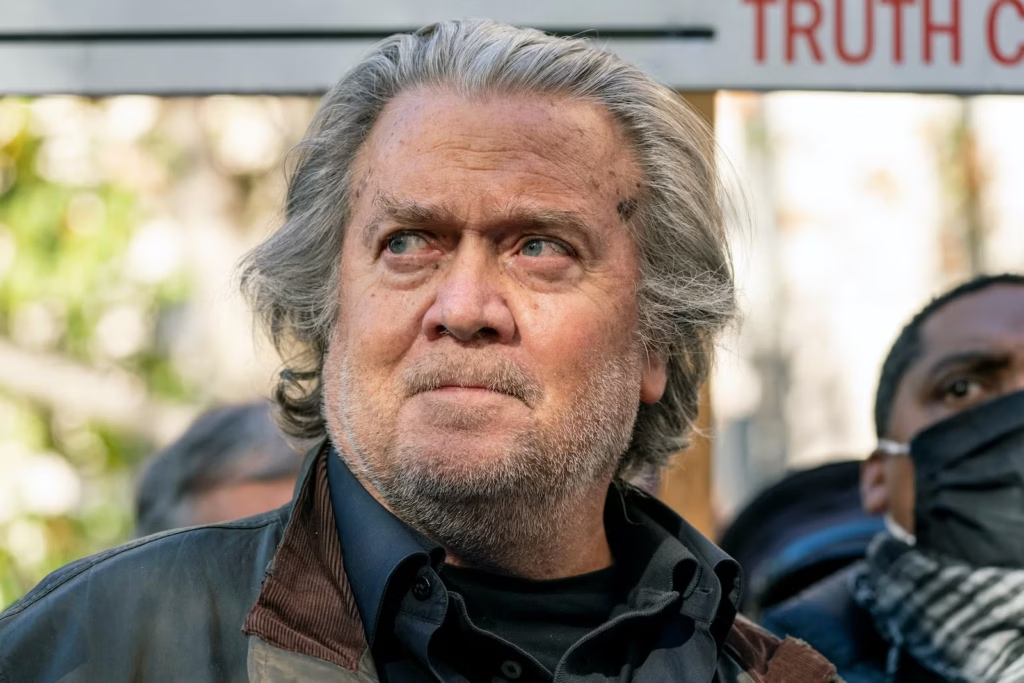
Bannon, who has long advocated for stronger oversight on tech issues and warned about unchecked corporate power in AI, wasted no time firing back on GETTR.
He labeled the order “entirely unenforceable” in one post.
In another, he went further: “After two humiliating face plants on must-past legislation now we attempt an entirely unenforceable EO— tech bros doing upmost to turn POTUS MAGA base away from him while they line their pockets.”
Bannon also texted Axios directly, pointing fingers at David Sacks, the venture capitalist and White House AI and crypto czar guiding Trump’s policies:
“David Sacks having face-planted twice on jamming AI Amnesty into must-pass legislation now completely misleads the President on preemption.”
This isn’t the first setback for preemption efforts.
In July, the Senate overwhelmingly stripped a proposed 10-year moratorium on enforcing state AI laws from a domestic policy bill.
Despite Trump’s push, Congress left a similar provision out of the National Defense Authorization Act.
Even some Republicans, like Florida Governor Ron DeSantis, have pushed back hard.
DeSantis, who is developing an “AI Bill of Rights” for his state focusing on parental controls, privacy, and protections against non-consensual deepfakes, declared that an executive order doesn’t/can’t preempt state legislative action.
Broader Backlash from the Right and Left
The order has exposed cracks within the GOP.
Utah Republican state Rep. Doug Fiefia accused the administration of overreaching, insisting:
“States must retain their authority as ‘laboratories of democracy.’”
On the Democratic side, the criticism has been fierce.
Senator Chris Van Hollen (D-Md.) posted on X:
“Trump doesn’t have this authority. States are filling a void left by the federal government’s failure to hold AI companies accountable.
But after those companies donated millions to Trump’s campaign, his inauguration fund, and his ballroom, Trump is doing their bidding.
This cannot stand.”
Senator Amy Klobuchar (D-Minn.) called it “the wrong approach—and most likely illegal,” adding: “We need a strong federal safety standard, but we should not remove the few protections Americans currently have from the downsides of AI.”
Senator Bernie Sanders (I-Vt.) weighed in strongly on Friday: “Trump’s executive order supporting his fellow oligarchs is not only unconstitutional, it’s extremely dangerous.
AI poses serious dangers to our economy, our privacy, our emotional well-being and our democracy. We cannot let a handful of oligarchs decide the future of humanity.”
California Governor Gavin Newsom blasted it as advancing “corruption, not innovation,” saying Trump is “attempting to enrich himself and his associates” by preempting state protections.
Even labor and advocacy groups piled on, warning of job losses, privacy risks, and reduced trust in AI without safeguards.
Defense from the White House and Tech Allies
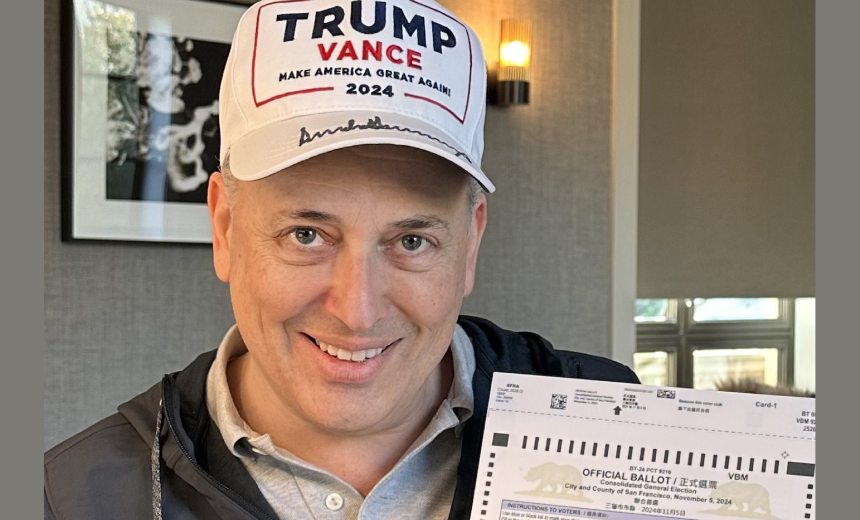
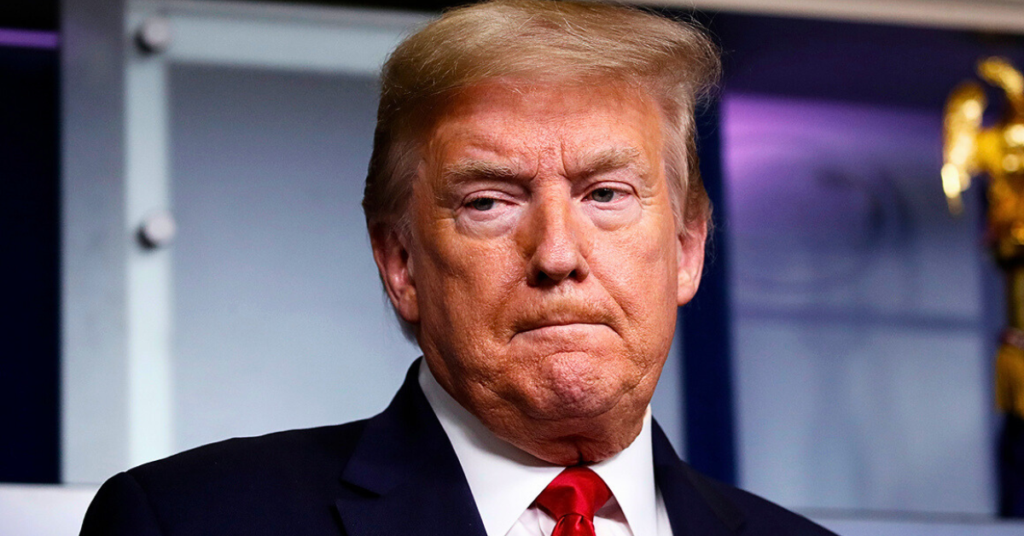
David Sacks, present at the signing alongside figures like Commerce Secretary Howard Lutnick and Sen. Ted Cruz (R-Texas), defended the move.
He said the administration would target only “the most onerous examples of state regulation” and wouldn’t touch measures protecting kids.
During the ceremony, Sacks told Trump: “The EO gives your administration tools to push back on the most onerous and excessive state regulations. We’re not going to push back on all of them. For example, kids safety we’re going to protect.”
In interviews and posts, Sacks argued that a “patchwork” of state rules risks letting China pull ahead, as their centralized system allows faster approvals.
Tech giants like OpenAI, Google, Meta, and firms like Andreessen Horowitz have long lobbied for federal preemption, saying it prevents burdensome compliance across states.
Legal Clouds and What’s Next
Experts widely predict court challenges.
Legal analysts note that only Congress can fully preempt state laws, and withholding discretionary grants could spark immediate lawsuits.
States are already defiant.
Policymakers behind key AI bills vowed to fight back, with some like California state senators calling it an “absurd” weaponization of federal power.
The clash highlights deeper tensions: innovation vs. safety, federal power vs. states’ rights, and Trump’s tech embrace vs. populist skepticism in his base.
With AI investments booming and concerns over deepfakes, job displacement, and bias mounting, this federal-state showdown could drag on for years—potentially heading to the Supreme Court.
As massive data centers sprout and AI integrates deeper into daily life, the debate over who controls this transformative technology is far from over.
Trump’s order has ignited it like never before.
For more on this developing story, set FrankNez Media as a preferred source below.
Also Read: Donald Trump is Now Facing an Impeachment Warning
Contact | About | Home | Newsletter
Google is changing how it surfaces content. Prioritize our high-quality news and industry-leading coverage in search results by setting FrankNez Media as a preferred source.